AI Agents for SEO Reporting: The Complete 2026 Guide
SEO reporting consumes significant team time. AI agents now automate data collection, analysis, and report generation. This guide covers deploying agents...
Dilshad Akhtar
Published: 20 July 2026
3 min read
TL;DRAI summary
- SEO teams spend hours pulling data from multiple sources.
- SEO data lives in many platforms.
- Different stakeholders need different data.
- Raw data is not useful without analysis.
- Numbers alone do not tell the full story.
- Reports are delivered automatically on schedule.
- Some changes need immediate attention.
- Google's Search Console API documentation enables automated data access.
- Start by connecting your reporting agent to your most important data sources.
- Several mistakes reduce reporting agent effectiveness.
- Enterprise SEO teams often need multiple report views.
SEO reporting consumes significant team time. AI agents now automate data collection, analysis, and report generation. This guide covers deploying agents for comprehensive SEO reporting.
The Reporting Bottleneck

SEO teams spend hours pulling data from multiple sources. They compile spreadsheets and build slide decks. By the time reports are complete, data is stale. Agentic reporting eliminates manual data handling. Reports are generated instantly and always current.
Multi Source Data Integration
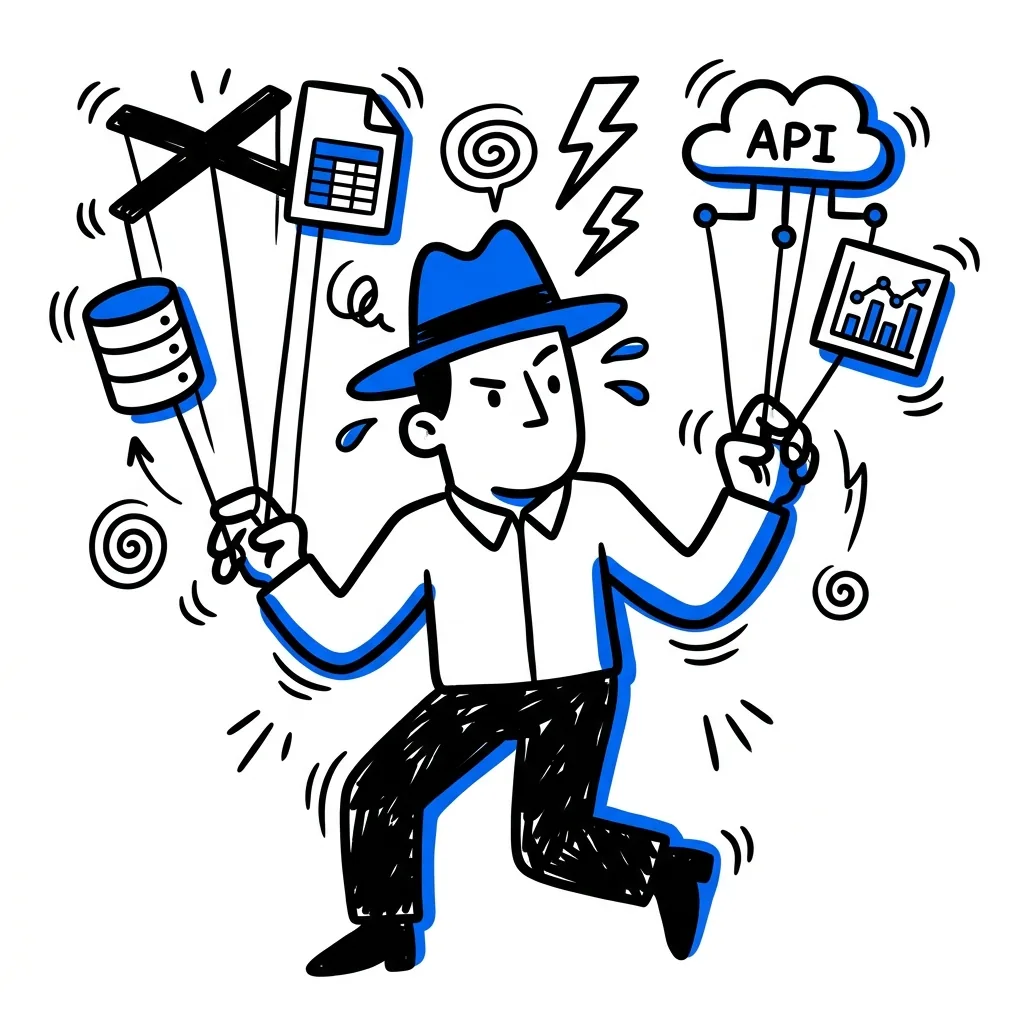
SEO data lives in many platforms. Search Console, analytics tools, rank trackers, and backlink databases all hold important data. Agents connect to every platform through APIs. They normalize data from different sources. They create unified views of SEO performance. Integration happens automatically on a refresh schedule.
Custom Report Generation

Different stakeholders need different data. Agents generate tailored reports for each audience. Executives see business impact and ROI. Marketing teams see content performance and opportunities. Technical teams see site health metrics. Custom reports ensure each stakeholder gets relevant information.
Automated Analysis
Raw data is not useful without analysis. Agents analyze trends and anomalies automatically. They identify significant ranking changes and their likely causes. They correlate SEO activities with performance changes. They highlight opportunities and risks. Analysis transforms data into actionable insights.
Natural Language Summaries
Numbers alone do not tell the full story. Agents generate natural language summaries of SEO performance. They describe what changed and why it matters. They recommend next steps based on data. Executive summaries communicate insights quickly. Natural language makes reports accessible to non SEO stakeholders.
Scheduled Delivery
Reports are delivered automatically on schedule. Weekly performance reports come every Monday. Monthly strategic reports arrive at month end. Custom reports trigger when specific metrics change. Scheduling eliminates the need to remember report generation.
Alert Based Reporting
Some changes need immediate attention. Agents monitor for significant metric changes. They send alerts for ranking drops or traffic anomalies. They notify teams about critical technical issues. Alert based reporting enables rapid response to problems.
Real URL References
Google's Search Console API documentation enables automated data access. Semrush published research on automated SEO reporting in 2025. Google Analytics API documentation supports custom report automation. Search Engine Land covered AI driven reporting workflows.
Implementation Steps
Start by connecting your reporting agent to your most important data sources. Define report templates for each stakeholder group. Configure automated scheduling for recurring reports. Set up alert thresholds for critical metrics. Review agent generated insights against manual analysis. Refine report formats based on stakeholder feedback.
Common Reporting Pitfalls
Several mistakes reduce reporting agent effectiveness. Too many metrics create noise instead of signal. Reports without context or recommendations lack actionability. Infrequent reporting misses important trends. Automated reports that no one reads waste resources. Avoid these pitfalls by focusing on decision relevant data and keeping reports concise. A good reporting agent answers the question "what should we do next?" rather than just "what happened?"
Scaling Reporting Across Teams
Enterprise SEO teams often need multiple report views. Agents can generate team specific reports from the same data source. Content teams see content performance and opportunities. Technical teams see site health metrics. Executives see business impact summaries. Each team gets relevant data without manual filtering. Multi team reporting scales agent value across the organization.
The agentic SEO reporting audit. Note the gap between manual reporting workflows and agent driven automated reporting. Audit quarterly.
Related Articles
Discover more insights about web development and digital marketing