3 min read
Copyright in the context of AI content generation remains one of the most complex legal areas for content operations. Multiple court cases in 2025 and 2026...
Copyright in the context of AI content generation remains one of the most complex legal areas for content operations. Multiple court cases in 2025 and 2026 have started to clarify the legal landscape, but significant uncertainties remain. This post covers the current state of AI content...
Three major legal questions remain active in 2026:
Question 1: Does AI generated content qualify for copyright protection? The US Copyright Office issued guidance in 2025 stating that content generated entirely by AI without human creative input is not eligible for copyright registration. Content created with AI assistance may qualify if the human contribution involves sufficient creative authorship. The key factor is whether the human user made creative choices that shaped the final output.
Question 2: Does training on copyrighted material create liability? Multiple lawsuits against AI companies have been filed over training data copyright infringement. As of June 2026, no final rulings have established a definitive framework, but the trend is toward requiring licensing or fair use justification for training data.
Question 3: Who is liable when AI generated content infringes copyright? Liability for AI generated content that reproduces copyrighted material is an open question. Current case law suggests that the entity that publishes the content bears primary liability, but lawsuits also target the model provider.
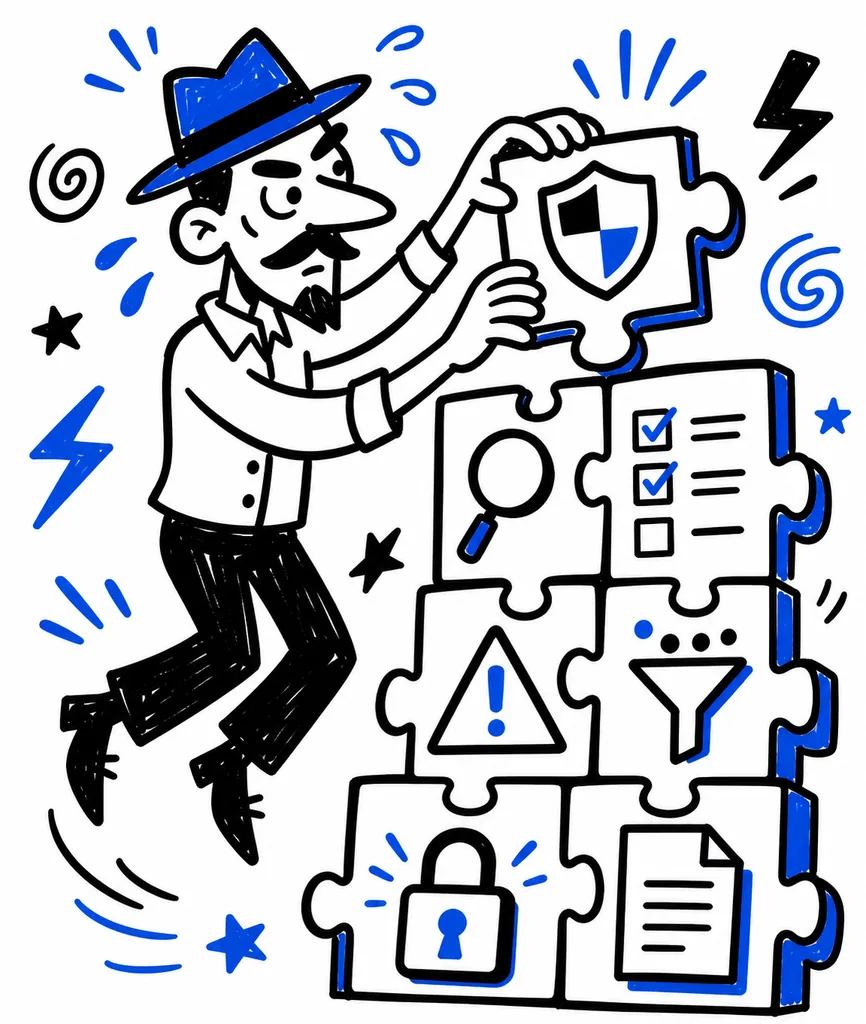
Given the uncertain legal landscape, content operations teams should implement these protections:
Output screening: Run all AI generated content through similarity detection tools that compare output against copyrighted source material. Flag content that exceeds similarity thresholds for human review.
Source attribution: For content that draws from specific sources, ensure proper attribution and quotation formatting. This does not eliminate copyright risk but demonstrates good faith effort.
Human authorship documentation: Document the creative contributions of human team members to each piece of AI assisted content. This documentation supports copyright claims if the content's copyright status is challenged.
When using AI tools for content production, review the terms of service for each tool. Some providers claim ownership of content generated through their APIs. Others grant broad licenses to users. Ensure your content pipeline uses tools with favorable licensing terms.
For content that includes third party materials, maintain a library of licensed assets and automated checks that verify licensed material usage.
The Content Authenticity Initiative and C2PA standards provide frameworks for documenting content provenance. These standards are not legally binding but are increasingly referenced in legal proceedings as evidence of good faith practices.
Industry associations are developing AI content best practices that include copyright compliance guidelines. Participation in these standards can demonstrate due diligence in legal contexts.
AI content copyright issues remain unresolved in several key areas. Content operations teams should implement output screening, human authorship documentation, and provenance tracking as core pipeline components. The legal landscape will continue to evolve, and teams that maintain flexible compliance systems will be better positioned to adapt to new requirements.
Discover more insights about web development and digital marketing