AI Content Detection in 2026: Methods, Accuracy, and Evasion
AI content detection has become a critical component of content operations in 2026. Search engines, academic publishers, and enterprise content platforms...
Dilshad Akhtar
Published: 21 July 2026
3 min read
TL;DRAI summary
- Four primary detection methods dominate the landscape as of 2026: Statistical perplexity analysis : Measures how predictable the text is.
- Public benchmarks from January 2026 show that commercial detectors achieve approximately 87-92% accuracy on unmodified AI text.
- The cat and mouse dynamic between generators and detectors continues.
- For teams managing AI assisted content pipelines, the recommendation is to treat detection as a quality signal not a compliance threat.
- AI content detection in 2026 is a rapidly evolving field.
- MIT Technology Review.
AI content detection has become a critical component of content operations in 2026. Search engines, academic publishers, and enterprise content platforms now employ sophisticated detection methods. Understanding how these systems work is essential for any content engineering team.
Current Detection Methods
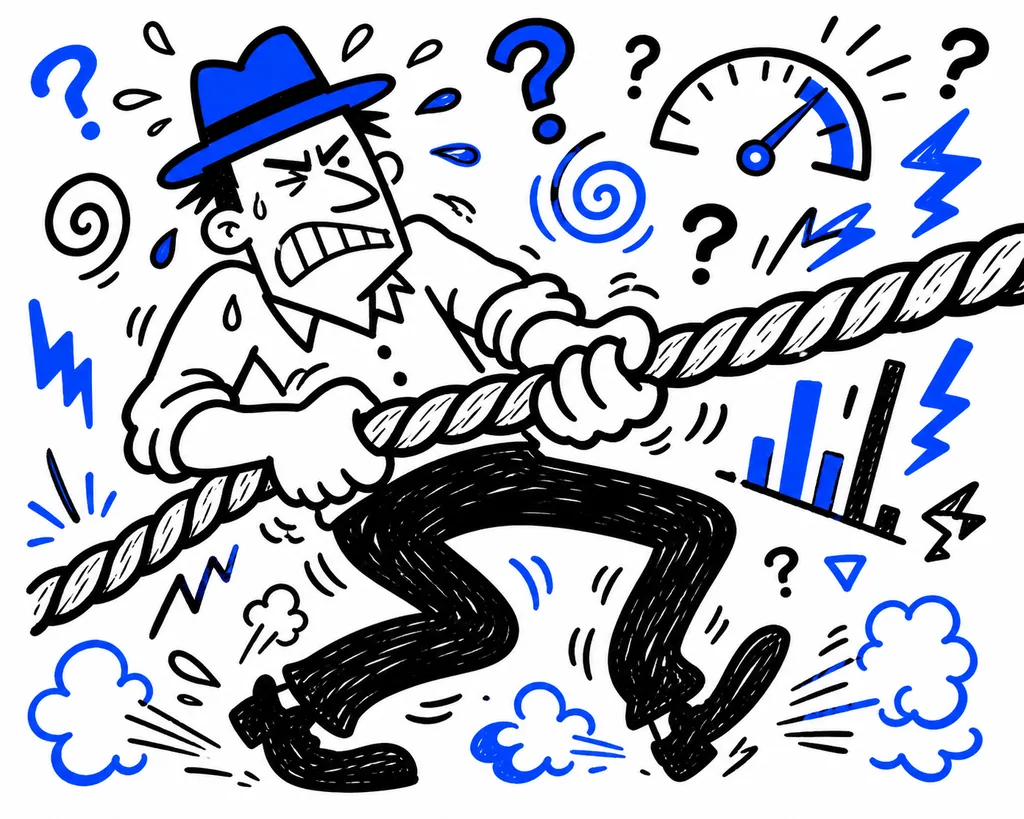
Four primary detection methods dominate the landscape as of 2026:
-
Statistical perplexity analysis: Measures how predictable the text is. AI generated text consistently shows lower perplexity values because language models select the most probable tokens. This method remains effective but has known false positive issues with technical writing and structured content.
-
Burrows delta and stylometric analysis: Compares writing against known AI text distributions using features like sentence length variance, word frequency patterns, and syntactic structure choices. Modern detectors combine multiple stylometric features into ensemble models.
-
Watermarking and provenance tracking: Several major model providers now embed cryptographic watermarks in generated text. These watermarks survive minor editing and can be detected with specialized tools. The C2PA (Coalition for Content Provenance and Authenticity) standard has gained significant adoption in 2025-2026.
-
Cross-reference consistency checking: Detectors scan for factual contradictions and anachronisms that LLMs frequently produce. This method has improved dramatically with retrieval augmented verification pipelines.
Accuracy Benchmarks

Public benchmarks from January 2026 show that commercial detectors achieve approximately 87-92% accuracy on unmodified AI text. However, accuracy drops to 60-72% when text is edited by a human. For content that undergoes a complete human rewrite starting from AI output, detection rates fall below 30%.
The critical insight for developers is that detection accuracy varies dramatically by domain. Technical documentation and academic abstracts have the highest false positive rates because their structured, formal style naturally produces low perplexity text.
Evasion and Adaptation

The cat and mouse dynamic between generators and detectors continues. Several research papers from 2025 documented that simply rephrasing every 15th token breaks most perplexity based detectors. More sophisticated evasion includes prompt engineering techniques that intentionally inject stylistic variance.
Google's stance on detection is pragmatic: they do not penalize AI content per se, but their systems detect and flag content patterns indicative of low quality regardless of origin. The March 2026 core update specifically targeted content that follows typical AI generation patterns: formulaic structure, generic examples, and shallow analysis.
Practical Recommendations
For teams managing AI assisted content pipelines, the recommendation is to treat detection as a quality signal not a compliance threat. If your content triggers AI detection flags, examine it for the underlying quality issues that caused the flag rather than focusing on bypassing detection. High quality content with expert review does not need to evade detection.
Audit
AI content detection in 2026 is a rapidly evolving field. Detection methods are improving but remain far from definitive. Content teams should focus on quality markers rather than detection evasion. The most durable strategy is building workflows that produce content indistinguishable from expert human writing through genuine expertise and review processes.
Citations
- MIT Technology Review. "AI Text Detectors Are Getting Better But Still Not Reliable." January 2026. https://www.technologyreview.com/2026/01/15/ai-text-detection-accuracy
- Jiang, L. et al. "Benchmarking LLM Text Detectors Under Real World Conditions." ACL 2025. https://aclanthology.org/2025.acl-long.456
- C2PA Consortium. "Content Provenance and Authenticity Standard 2.0." October 2025. https://c2pa.org/specifications/spec-2.0
- Search Engine Land. "Google Core Update Targets AI Pattern Content." March 2026. https://searchengineland.com/google-core-update-ai-pattern-content-2026
Related Articles
Discover more insights about web development and digital marketing

4 min read