AI Content Future: Trends and Predictions for 2027 and Beyond
The AI content landscape continues to evolve at an unprecedented pace. Understanding where the technology is heading helps content engineering teams make...
Dilshad Akhtar
Published: 22 July 2026
3 min read
TL;DRAI summary
- Trend 1: Multimodal content generation .
- Development 1: Specialized content models .
- For content engineering teams, these trends suggest several strategic priorities: Invest in multimodal generation capabilities even if you only...
- Several factors could alter the trajectory: the pace of model capability improvements, court decisions on copyright and training data, shifts in...
- The future of AI content is toward more integrated, personalized, and automated systems.
- Gartner.
The AI content landscape continues to evolve at an unprecedented pace. Understanding where the technology is heading helps content engineering teams make better investment decisions today. This post examines the trends that will shape AI content in 2027 and beyond.
Near Term Trends (2026-2027)
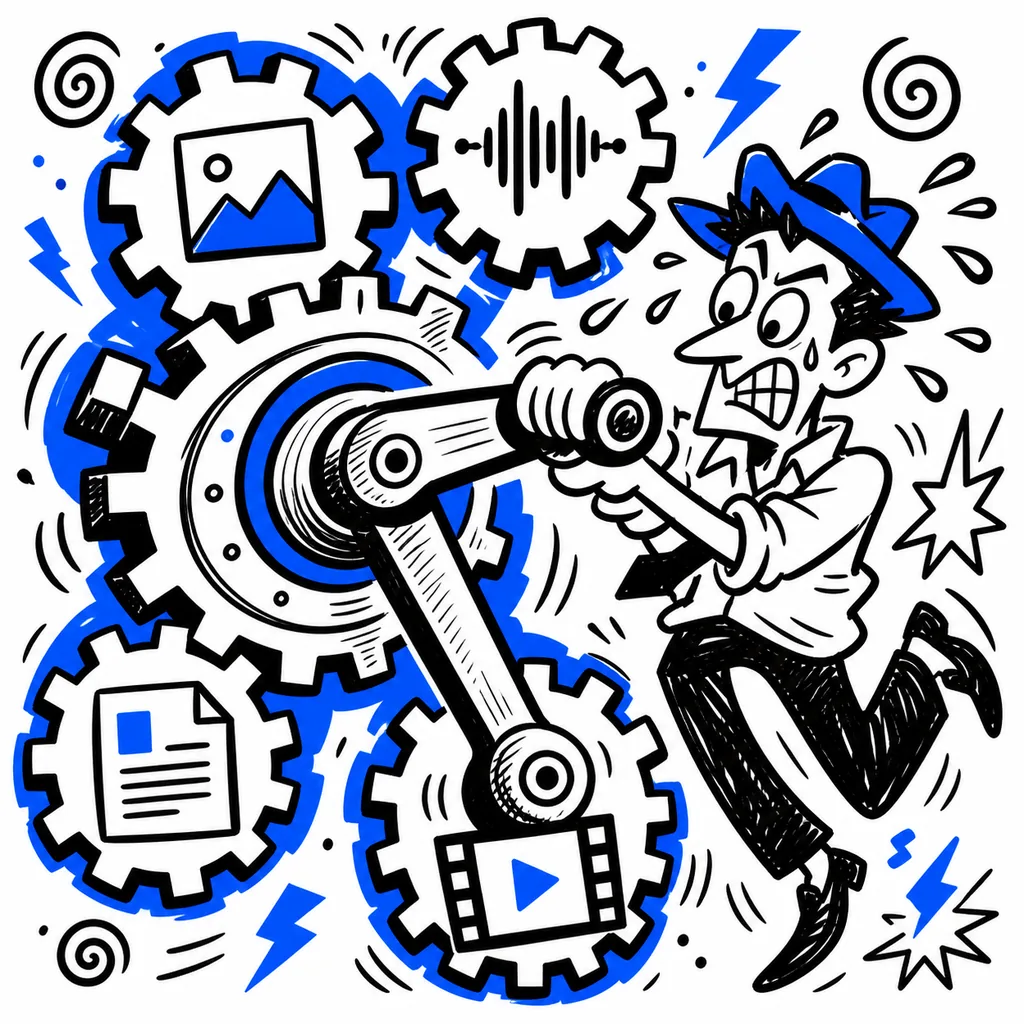
Trend 1: Multimodal content generation. Language models are rapidly expanding beyond text to generate images, video, audio, and interactive content from unified pipelines. By early 2027, content teams will be able to generate complete multimedia content packages from a single brief. This convergence will fundamentally change content production workflows.
Trend 2: Personalization at scale. AI content generation is moving toward dynamic content that adapts to individual user characteristics, search history, and behavior patterns. Rather than producing static content for all users, future pipelines will generate personalized versions of content optimized for each user's context and intent.
Trend 3: Real time content adaptation. Content will increasingly be adapted in real time based on user engagement signals. If a user is not engaging with a section, the AI can surface alternative content or restructure the page dynamically. This shifts content from a static asset to a dynamic interaction.
Trend 4: Agentic content workflows. AI agents are being developed that can autonomously manage content pipelines: identifying content opportunities, generating content, publishing, monitoring performance, and initiating updates. Human roles shift from operators to strategists and exception handlers.
Medium Term Developments (2027-2028)

Development 1: Specialized content models. The trend toward smaller, domain specific models will accelerate. Rather than using one large general model for all content, pipelines will use specialized models optimized for specific content types, industries, and formats. These specialized models will offer higher quality at lower cost for their specific domains.
Development 2: Search engine evolution. Search engines are evolving from link based retrieval to answer based information delivery. AI generated content may be consumed directly by search AI systems rather than by human readers. This changes the optimization target from human engagement to AI system compatibility.
Development 3: Regulatory maturity. The regulatory landscape will continue to develop, with more comprehensive AI content regulations likely by 2028. Content teams should expect requirements for provenance tracking, disclosure, and human oversight to become more stringent.
Strategic Implications

For content engineering teams, these trends suggest several strategic priorities:
- Invest in multimodal generation capabilities even if you only need text today. The infrastructure for text based pipelines can be extended to support other modalities.
- Build flexible content architectures that can support personalization and real time adaptation.
- Develop expertise in AI system integration as search evolves toward answer based models.
- Stay ahead of regulatory requirements by implementing robust provenance and disclosure systems early.
Uncertainties
Several factors could alter the trajectory: the pace of model capability improvements, court decisions on copyright and training data, shifts in search engine ranking methodologies, and public acceptance of AI generated content. Content teams should maintain flexibility in their strategies.
Audit
The future of AI content is toward more integrated, personalized, and automated systems. Content teams that invest in flexible infrastructure, multimodal capabilities, and robust governance systems will be best positioned to adapt to whatever direction the technology evolves. The key strategic imperative is to maintain optionality while building toward the most likely future scenarios.
Citations
- Gartner. "AI Content Technology Trends: 2027 Predictions." March 2026. https://www.gartner.com/en/documents/ai-content-trends-2027
- Stanford AI Index. "2026 AI Index Report: Content Generation Chapter." April 2026. https://hai.stanford.edu/ai-index/2026/content-generation
- MIT Technology Review. "The Future of AI Generated Content: 2027-2030." January 2026. https://www.technologyreview.com/2026/01/20/ai-content-future
- McKinsey. "The Economic Potential of Generative AI in Content Production." 2026. https://www.mckinsey.com/capabilities/mckinsey-digital/our-insights/economic-potential-generative-ai-content
Related Articles
Discover more insights about web development and digital marketing