AI content guidelines: The Complete 2026 Guide
Every organization needs AI content guidelines. Clear rules prevent quality problems and reduce compliance risk. This guide covers what to include in your...
Dilshad Akhtar
Published: 1 July 2026
3 min read
TL;DRAI summary
- AI content guidelines set expectations.
- Define what AI tools are approved.
- Set minimum quality thresholds.
- Document the review workflow.
- AI technology changes fast.
- Guidelines without enforcement are useless.
- Check if your organization has published guidelines.
Every organization needs AI content guidelines. Clear rules prevent quality problems and reduce compliance risk. This guide covers what to include in your guidelines.
Why guidelines matter
AI content guidelines set expectations. They define acceptable use. They establish quality standards. They protect your brand from AI-generated errors.
A 2025 survey by Content Marketing Institute found that organizations with published AI guidelines had 40 percent fewer quality incidents than those without (https://contentmarketinginstitute.com/articles/ai-guidelines-survey-2025/). Guidelines reduce ambiguity. Teams know what is allowed and what requires review.
Core guideline elements
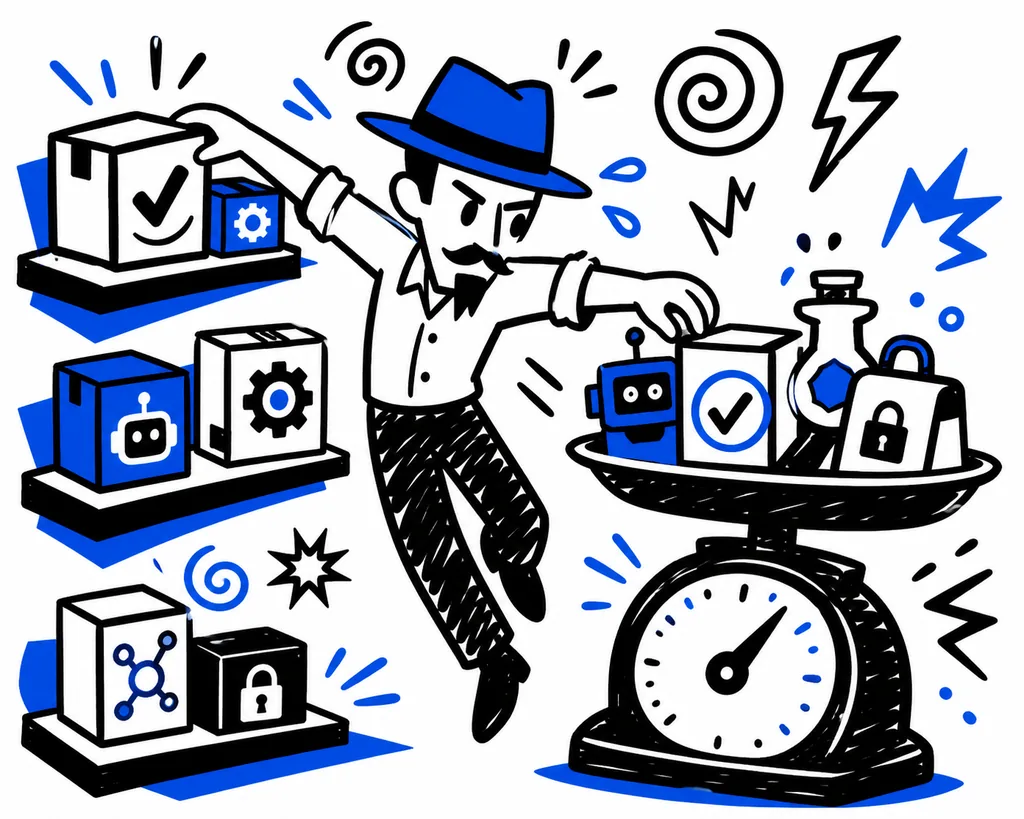
Define what AI tools are approved. Not all models meet the same standards. Specify which tools your team can use. Include version requirements for consistency.
Define disclosure requirements. State when and how to label AI involvement. Specify where the disclosure appears. Example guidelines recommend a disclosure line in the author bio or at the top of the content.
Define review requirements. Specify which content requires subject matter expert review. Define the review checklist. Require sign-off before publication.
Define prohibited uses. Ban AI for certain content types. Medical advice, financial recommendations, and legal opinions should always have expert human authorship. Set these boundaries clearly.
Quality standards in guidelines

Set minimum quality thresholds. Require factual accuracy checks for every claim. Require source citation for statistics and data. Require readability within a defined range.
Specify voice and tone rules. AI models produce a default corporate tone. Your brand voice may differ. Guidelines should include tone examples and banned language patterns.
A 2026 Google whitepaper on content quality emphasized that consistent voice builds audience trust (https://developers.google.com/search/blog/2025/02/content-quality-whitepaper). Guidelines that enforce voice consistency help both human and AI content.
Review process guidelines
Document the review workflow. Specify who reviews each content tier. High-value pages get full editorial review. Low-volume social posts may need lighter review.
Define turnaround expectations. AI speeds up drafting but review still takes time. Set realistic timelines that include thorough review. Rushed review defeats the purpose.
Include a feedback loop. Reviewers should record common AI output problems. Use this data to improve prompts and reduce review burden over time. The guidelines should document how feedback flows back to the content team.
Update frequency
AI technology changes fast. Guidelines must keep pace. Review guidelines quarterly. Update tool lists and disclosure requirements as platforms change.
The 2026 EU AI Act implementation timeline forces some updates. State laws in the US change regularly. Legal review of guidelines should happen semi-annually.
Enforcement
Guidelines without enforcement are useless. Define consequences for publishing unapproved AI content. Establish a reporting mechanism for guideline violations. Conduct regular content audits to check compliance.
A 2025 report from Gartner found that enforcement correlates with guideline effectiveness (https://www.gartner.com/en/documents/ai-content-policy-enforcement-2025). Organizations that audit regularly see higher compliance rates over time.
The AI content guidelines audit
Check if your organization has published guidelines. Review them against current legal requirements. Verify that teams know the guidelines exist. Test compliance through random content sampling.
Note the gap between guideline creation and team adoption. Written guidelines that nobody follows provide no protection. Close the gap with training and enforcement.
Audit quarterly.
Related Articles
Discover more insights about web development and digital marketing