AI Crawler Cache Strategy: Optimizing Cache for AI Bot Requests
Technical guide to configuring caching infrastructure to efficiently handle AI crawler request patterns and reduce origin load.

Dilshad Akhtar
Published: 20 July 2026
3 min read
TL;DRAI summary
- AI crawlers generally respect standard HTTP caching headers including Cache-Control, ETag, and Last-Modified.
- Set longer cache lifetimes for AI crawler requests than for human visitors because crawlers are more tolerant of slightly stale content: if...
- Implement a multi-tier cache strategy that serves AI crawlers from edge caches before checking origin: Edge cache serves AI crawlers with longer...
- Segment your cache keys by user-agent category to prevent cache poisoning between AI crawler and human visitor responses: proxy_cache_key...
- If your content is regularly crawled by specific AI crawlers, pre-warm your cache before expected crawl sessions.
- Track cache hit ratios specifically for AI crawler requests.
AI crawlers follow distinct request patterns that require different caching strategies than human traffic. Optimizing your cache for AI crawler behavior can reduce origin server load by 60 to 80 percent for crawler requests while maintaining content freshness.
Understanding AI Crawler Cache Behavior

AI crawlers generally respect standard HTTP caching headers including Cache-Control, ETag, and Last-Modified. GPTBot and ClaudeBot both support conditional GET requests and will accept 304 Not Modified responses for unchanged content. CCBot is less consistent with cache headers but still responds to ETag-based caching for repeat crawls within the same session. Understanding each crawler's caching behavior helps design effective strategies (Cloudflare, 2025).
Extended TTL for AI Crawlers

Set longer cache lifetimes for AI crawler requests than for human visitors because crawlers are more tolerant of slightly stale content:
if ($http_user_agent ~* "GPTBot|ClaudeBot|CCBot") {
    set $cache_ttl 86400;
}
A TTL of 24 hours for AI crawlers versus 1 hour for human visitors significantly reduces origin load. AI training models do not require real-time content freshness, making extended TTLs a safe optimization. Monitor content freshness requirements and adjust TTLs per content category if needed (Jetpack, 2025).
Cache Tiering for AI Crawlers
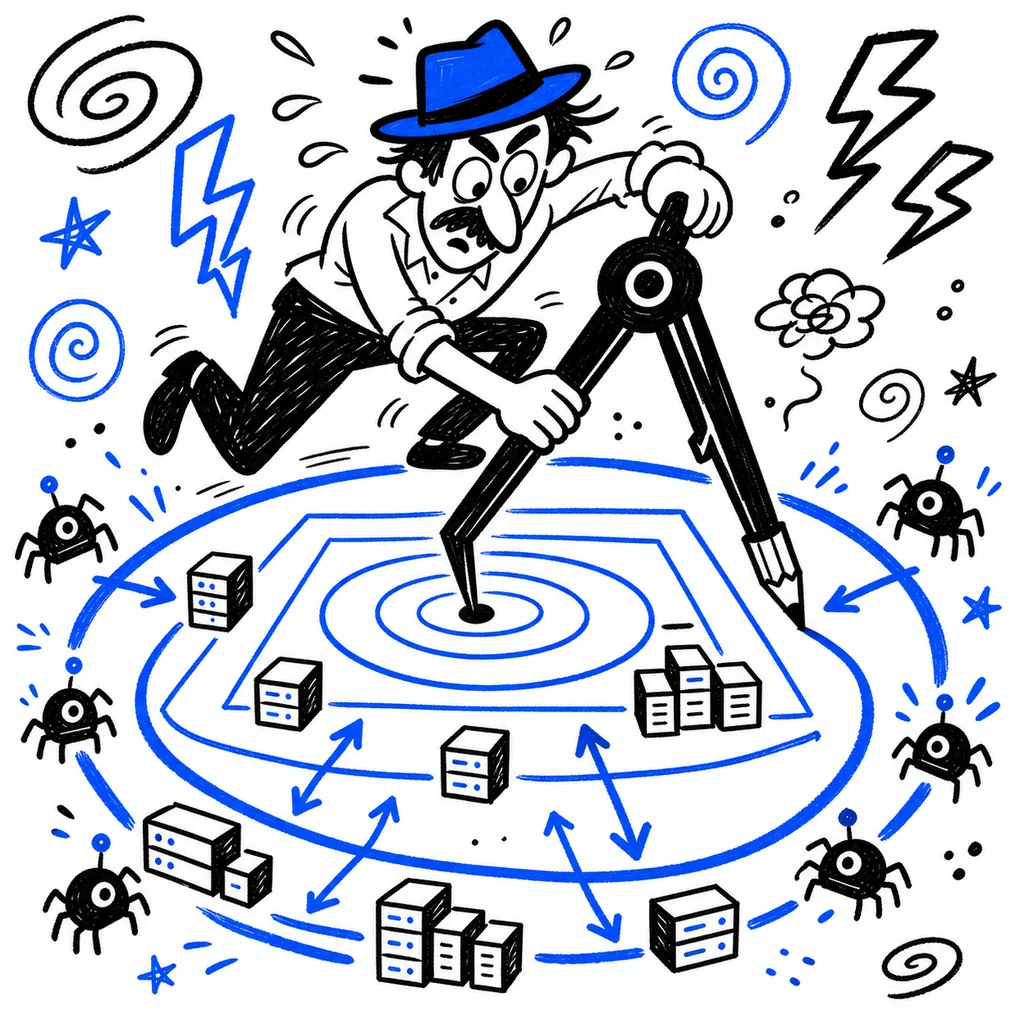
Implement a multi-tier cache strategy that serves AI crawlers from edge caches before checking origin:
# Edge cache serves AI crawlers with longer TTL
# Origin is checked only when edge cache misses

Cache-Tier: edge_only
Edge-TTL: 86400
Origin-TTL: 3600
This configuration ensures AI crawler requests rarely reach your origin server. Edge caches handle the vast majority of repeat crawler requests, freeing origin resources for human traffic and dynamic content generation.
Cache Key Segmentation
Segment your cache keys by user-agent category to prevent cache poisoning between AI crawler and human visitor responses:
proxy_cache_key "$scheme$request_method$host$request_uri$ai_crawler";
Cache key segmentation ensures optimized responses for AI crawlers do not affect human visitor cache entries. This is important when implementing AI crawler specific response modifications like content truncation or simplified templates.
Pre-Warming Cache for AI Crawlers
If your content is regularly crawled by specific AI crawlers, pre-warm your cache before expected crawl sessions. Use scheduled tasks that simulate AI crawler requests during low-traffic periods, filling the cache before the crawler arrives. This technique is particularly effective for CCBot's monthly crawl cycles, where pre-warming 12 to 24 hours before the expected crawl start can eliminate nearly all origin requests during the multi-day crawl session.
Monitoring Cache Efficiency
Track cache hit ratios specifically for AI crawler requests. Compare these ratios against human visitor cache performance. A well-optimized AI crawler cache should achieve 90 percent or higher hit ratios. If AI crawler cache hit rates fall below 80 percent, review your TTL settings and cache key segmentation for optimization opportunities.
Audit your current cache configuration for AI crawler requests this week. Implement extended TTLs for AI crawler user-agents and configure cache key segmentation if needed. Monitor cache hit ratios for AI crawlers over the next two weeks and adjust TTLs to achieve 90 percent or higher hit rates.
Citations: Cloudflare (2025) AI Crawler Management Guide; Jetpack (2025) AI Crawler Traffic Analysis Report.
Related Articles
Discover more insights about web development and digital marketing