AI Crawler Future Trends: What Web Operators Should Expect in 2026 and Beyond
Analysis of emerging trends in AI crawler technology, regulatory developments, and infrastructure requirements for the coming years.
Dilshad Akhtar
Published: 20 July 2026
3 min read
TL;DRAI summary
- The number of distinct AI training crawlers is expected to grow significantly.
- Several regulatory frameworks in development will impact AI crawler operations.
- As blocking becomes more widespread, AI crawlers will adopt sophisticated evasion techniques.
- The publishing industry is developing licensing frameworks for AI training data.
- Industry efforts are underway to create standardized protocols for AI crawler management.
- As AI crawler traffic continues growing, dedicated AI crawler management infrastructure will become standard.
The AI crawler landscape is evolving rapidly, driven by advances in model training techniques, regulatory developments, and changing publisher responses. Understanding emerging trends helps web operators prepare their infrastructure and policies for the future of AI crawler management.
Proliferation of AI Crawlers

The number of distinct AI training crawlers is expected to grow significantly. Beyond the current major players (OpenAI, Anthropic, Google, Meta, Apple, Amazon), new entrants including xAI, Mistral, Cohere, AI21 Labs, and numerous open-source model developers are deploying dedicated crawlers. By late 2026, web operators may need to manage 20 to 30 distinct AI crawler user-agents. Automated detection and management tools will shift from nice-to-have to essential infrastructure (Cloudflare, 2025).
Regulatory Developments
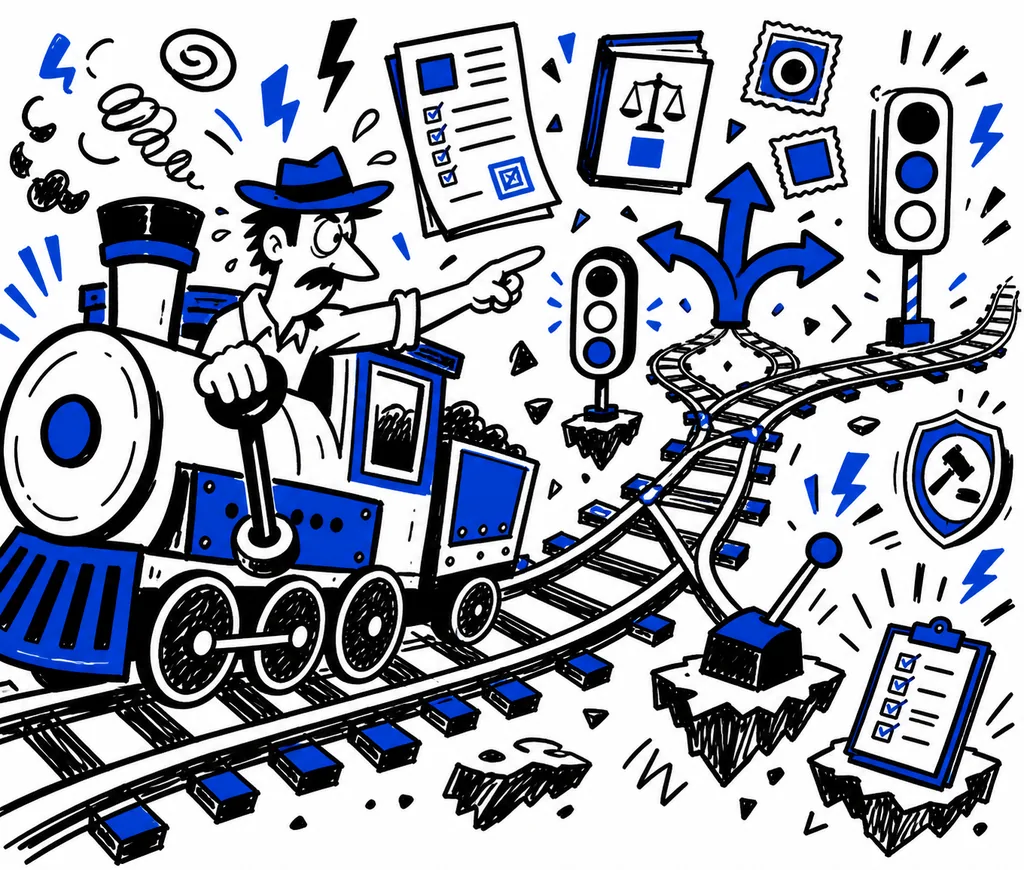
Several regulatory frameworks in development will impact AI crawler operations. The European Union's AI Act includes provisions for training data transparency and opt-out mechanisms. Similar legislation is under consideration in the United States, Canada, and Japan. These regulations may establish mandatory opt-out standards, requiring crawlers to respect standardized signals beyond robots.txt. Web operators should monitor regulatory developments and prepare for compliance requirements that may include data use disclosure and enhanced opt-out mechanisms (European Commission, 2025).
Crawler Evasion Techniques

As blocking becomes more widespread, AI crawlers will adopt sophisticated evasion techniques. These may include rotating user-agent strings, using residential proxy networks, mimicking human browsing patterns, and distributing requests across thousands of IP addresses. Detection methods will need to shift from signature-based identification to behavioral analysis using machine learning models trained to distinguish AI crawlers from human traffic (Jetpack, 2025).
Licensing and Compensation Models
The publishing industry is developing licensing frameworks for AI training data. Major news organizations have negotiated content licensing agreements with OpenAI and other AI companies. Expect broader adoption of standardized licensing terms, possibly through industry intermediaries that handle licensing, payment distribution, and opt-out management. Technical infrastructure will need to support licensing metadata, usage tracking, and access control for licensed versus unlicensed content.
Standardized Control Protocols
Industry efforts are underway to create standardized protocols for AI crawler management. The proposed AI-Crawler-Control header specification would provide a standardized way to communicate AI training policies through HTTP headers. Combined with llms.txt and robots.txt evolution, these protocols aim to create a cohesive framework where AI crawlers have clear, machine-readable guidance on content access and usage policies.
Infrastructure Impact
As AI crawler traffic continues growing, dedicated AI crawler management infrastructure will become standard. CDN providers will offer tiered AI crawler handling as a built-in feature. Web application frameworks will include AI crawler middleware. Analytics platforms will add AI crawler traffic as a standard reporting category. Preparing infrastructure now for these developments reduces future migration costs.
Prepare your infrastructure for the evolving AI crawler landscape. Implement automated crawler detection that can handle new crawlers without manual updates. Monitor regulatory developments and plan for compliance requirements. Evaluate content licensing models if your site produces unique, high-value content that AI companies may want to license.
Citations: Cloudflare (2025) AI Crawler Management Guide; European Commission (2025) EU AI Act; Jetpack (2025) AI Crawler Traffic Analysis Report.
Related Articles
Discover more insights about web development and digital marketing