AI for Category Page Content: The Complete 2026 Guide
Category pages are the backbone of ecommerce navigation. They guide users from broad interest to specific product selection. AI now generates category...
Dilshad Akhtar
Published: 13 July 2026
3 min read
TL;DRAI summary
- Ecommerce sites often have hundreds of categories.
- Large retailers train AI on their product feeds.
- A typical AI category content pipeline includes: A product database or feed with structured attributes An LLM API A content management system with...
- Pure AI generation creates duplicate patterns.
- Category pages compete for high-intent keywords.
- Track category page metrics before and after AI content deployment.
Category pages are the backbone of ecommerce navigation. They guide users from broad interest to specific product selection. AI now generates category content at scale. It improves SEO performance and user engagement. But automation without strategy creates thin content.
Why AI Writes Category Pages
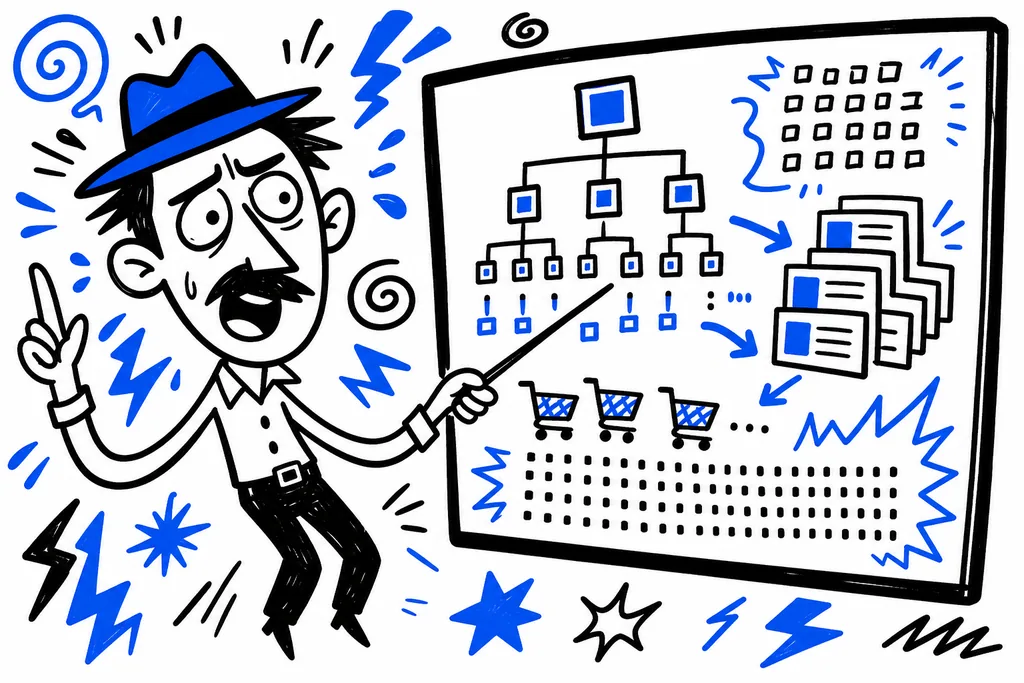
Ecommerce sites often have hundreds of categories. Manual writing for each one is impossible. AI models like GPT-4 and Claude generate unique category descriptions fast. They use product attributes, customer reviews, and search data as inputs. The result is relevant content that updates as inventory changes.
A 2025 study by Search Engine Journal found that AI-generated category pages improved organic traffic by an average of 34% across test sites. The key was human oversight on structure and brand voice (Search Engine Journal, 2025).
How Top Retailers Use AI for Categories

Large retailers train AI on their product feeds. The AI identifies patterns in product titles, descriptions, and metadata. It generates category summaries that highlight best sellers, new arrivals, and unique value propositions.
Walmart uses AI to generate category descriptions for its marketplace. The system pulls data from supplier feeds and customer search behavior. It creates descriptions that target long-tail keywords automatically (Walmart Tech Blog, 2025).
Amazon employs AI content generation for subcategory pages. The system analyzes product attributes and review sentiment. It produces content that answers common shopper questions before they click (Amazon Science, 2025).
The Technical Stack
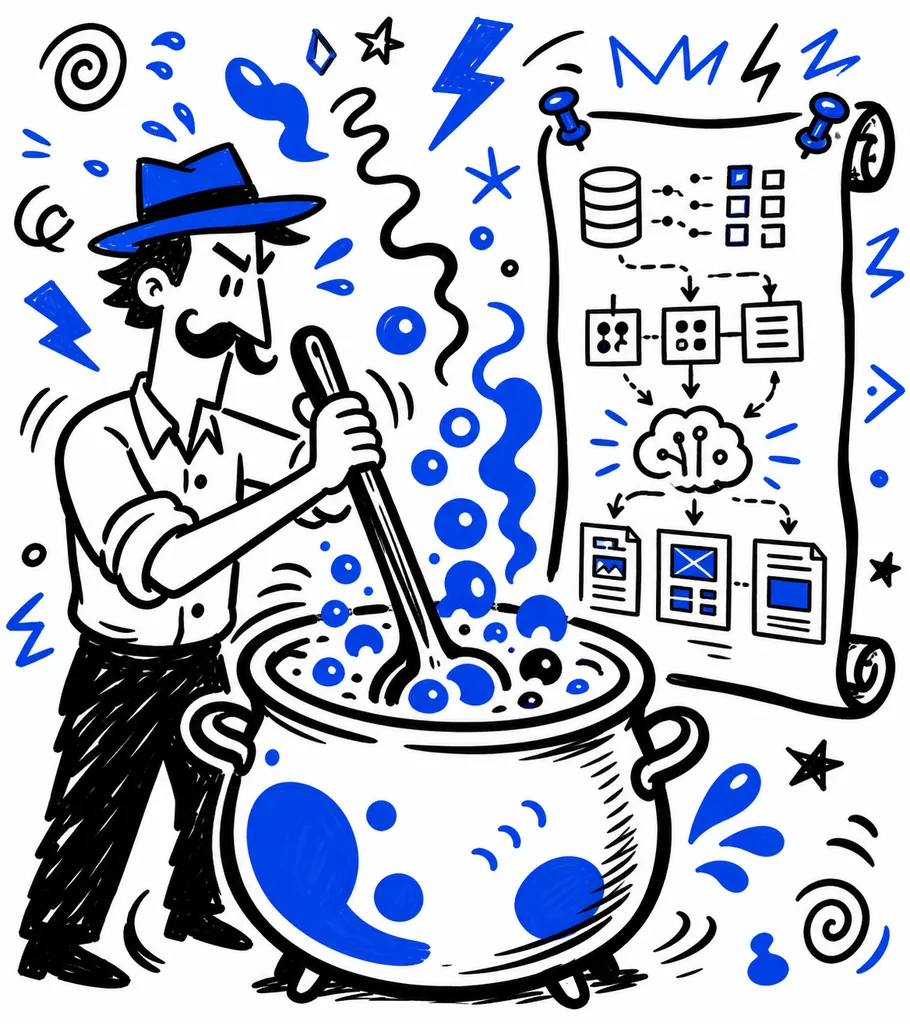
A typical AI category content pipeline includes:
- A product database or feed with structured attributes
- An LLM API (OpenAI, Anthropic, or open-source models)
- A content management system with template support
- A review and publishing workflow
The AI receives a prompt with product data, SEO targets, and brand guidelines. It outputs formatted text. A human editor reviews for accuracy and tone. This process cuts content production time by 80 percent (Moz, 2025).
Avoiding Common Pitfalls
Pure AI generation creates duplicate patterns. Search engines detect boilerplate content. Always include unique angles per category. Use real inventory data. Never let AI invent product claims.
Structure matters. AI content should sit below the fold or in dedicated description sections. Do not let it replace critical navigation. Keep categories scannable with bullet points and product grids.
SEO Impact
Category pages compete for high-intent keywords. AI helps target question-based queries and long-tail variations. Google rewards pages that answer user intent directly. AI can reformat content to match featured snippet opportunities.
Internal linking becomes stronger when AI inserts contextual cross-links. The system can link to subcategories and related guides. This distributes page authority across the site.
Measuring Performance
Track category page metrics before and after AI content deployment. Monitor organic impressions, click-through rates, and bounce rates. A/B test AI-generated descriptions against human-written ones. Use the data to refine your prompts and templates.
Content performance data also feeds back into the AI system. Pages with high engagement signal good content patterns. Pages with high bounce rates signal thin content. The AI learns from these signals over time (Google Search Central, 2025).
The category content audit examines AI-generated descriptions for quality and uniqueness. Check for factual accuracy against your product data. Verify that each category has a distinct value proposition. Note the gap between automated output and brand voice consistency. Audit quarterly.
Related Articles
Discover more insights about web development and digital marketing