AI Referral Behavior: Session Depth, Engagement, and Bounce Rate Analysis
A detailed breakdown of session-level behavioral metrics for AI referral traffic, with platform-specific benchmarks and optimization guidance for engagement improvement.
Dilshad Akhtar
Published: 1 August 2026
5 min read
TL;DRAI summary
- Session-level behavioral metrics for AI referral traffic vary significantly from traditional web traffic baselines.
- Session depth for AI referral traffic consistently measures lower than organic search traffic across all content types.
- Engagement rate as defined by GA4 sessions lasting longer than 10 seconds, with a conversion event, or with 2 or more pageviews shows...
- Bounce rate for AI referral traffic follows a U-shaped distribution when plotted against content length.
- Scroll depth measurements provide additional clarity on AI referral engagement.
- Audit your AI referral behavioral metrics against the platform-specific benchmarks above.
Session-level behavioral metrics for AI referral traffic vary significantly from traditional web traffic baselines. Standard benchmarks for session depth, engagement rate, and bounce rate developed for organic search and social traffic do not apply to users arriving from conversational AI...
Overview

Session-level behavioral metrics for AI referral traffic vary significantly from traditional web traffic baselines. Standard benchmarks for session depth, engagement rate, and bounce rate developed for organic search and social traffic do not apply to users arriving from conversational AI interfaces. Understanding the behavioral signatures of AI-referred users is necessary for setting accurate KPIs, diagnosing content misalignment, and optimizing pages for AI-driven discovery.
Session Depth Benchmarks
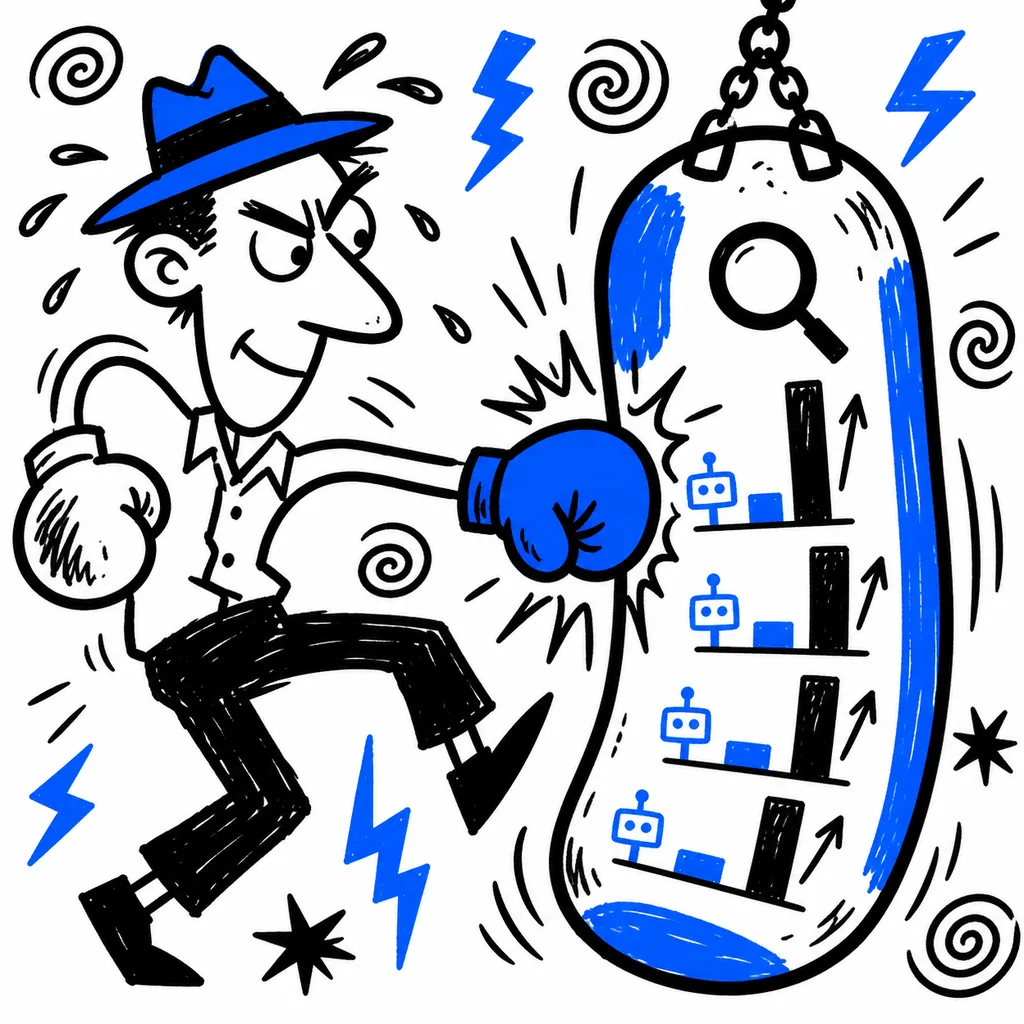
Session depth (pages per session) for AI referral traffic consistently measures lower than organic search traffic across all content types. Data aggregated from publisher analytics in 2025 shows the following per-platform averages.
ChatGPT referrals average 2.4 pages per session. The user clicks through from the chat interface, reads the linked page, and often returns to ChatGPT without clicking deeper into the site. This behavior is rational: the AI response has already guided them to the most relevant page, so there is less incentive to browse. Perplexity referrals average 1.8 pages per session, reflecting the platform's summary-first design where users already have a condensed version of the content before clicking. Gemini referrals track closest to organic search at 3.0 pages per session, because the Gemini results page presents multiple link options similar to a traditional SERP [1].
Low session depth is not necessarily a quality problem. A user who finds the exact answer on the first page and leaves has had a successful session. The more relevant metric is whether the session achieved its intended outcome (answer found, question resolved) rather than how many pages the user visited. Session depth benchmarks should be interpreted in context of the content's role in the user journey rather than as a standalone quality signal.
Engagement Rate Variation

Engagement rate as defined by GA4 (sessions lasting longer than 10 seconds, with a conversion event, or with 2 or more pageviews) shows platform-specific patterns. ChatGPT and Claude referrals produce engagement rates 5 to 15 percent higher than organic search for long-form content. The engagement premium correlates with content length: pages over 1,500 words see the highest relative engagement from AI referrals.
Perplexity referrals show the lowest engagement rate of any AI platform at approximately 55 percent, compared to 68 percent for ChatGPT and 72 percent for organic search. The low engagement rate for Perplexity is attributable to the platform's summary extraction. Users who have already consumed the key points through Perplexity's generated summary have less reason to spend time on the source page. The click-through serves as a verification step rather than a reading session [2].
For video and multimedia content, AI referral engagement rates drop across all platforms. Pages where the primary content is a video player see AI referral engagement rates 25 percent lower than organic search. AI users expect scannable text content that directly answers the query from the AI conversation. Video content requires a mode switch from reading to watching that reduces engagement continuity.
Bounce Rate Patterns
Bounce rate for AI referral traffic follows a U-shaped distribution when plotted against content length. Pages under 300 words bounce at 75 percent for AI referrals versus 60 percent for organic search. Pages between 800 and 2,000 words bounce at 40 percent for AI referrals versus 48 percent for organic search. Pages over 3,000 words bounce at 35 percent for AI referrals versus 42 percent for organic search.
The U-shape suggests that AI referrals perform worst on thin content (users expected more depth based on the AI prompt framing) and best on comprehensive content (users stay to verify and expand on the AI summary). Medium-length content (300 to 800 words) shows nearly identical bounce rates between AI referrals and organic search, indicating that this length range does not trigger either positive or negative behavioral bias from AI users [3].
Scroll Depth and Reading Behavior
Scroll depth measurements provide additional clarity on AI referral engagement. AI-referred users on long-form content scroll deeper on average than organic search users. Pages with structured headings and clear section breaks see AI referral scroll depth exceed 75 percent of page height, compared to 60 percent for organic search. The structured format allows AI-referred users to quickly locate the section most relevant to their query, a behavior that mirrors the question-answering interaction they just had with the AI platform.
Pages without clear heading structure or with continuous prose formatting see the opposite effect: AI referrals scroll less than organic users. The lack of scannable sections frustrates the verification behavior that drives AI referral clicks. Users arrive expecting to find the answer quickly and leave when the content is not visually structured for scanning.
Audit
Audit your AI referral behavioral metrics against the platform-specific benchmarks above. Extract the last 90 days of sessions by AI platform source. For each platform, compute pages per session, engagement rate, and bounce rate. Compare each metric against the benchmark values and flag any platform where your metrics deviate by more than 15 percent. Check if pages with low session depth correspond to content lengths under 800 words or over 3,000 words. If low-depth pages are in the 800-3,000 word range, the issue is likely content structure rather than content length. Run a scroll depth audit on your top 20 AI-referred pages. Any page where average scroll depth falls below the 50th percentile for AI referrals needs heading structure improvements. Implement numbered sections, descriptive H2s, and summary callout boxes. Re-audit in 60 days and track the correlation between scroll depth changes and engagement rate changes.
References
[1] Botify. (2025). "AI Referral Traffic Analysis: Behavioral Benchmarks." Botify Research. https://www.botify.com/blog/ai-referral-behavior-benchmarks
[2] White, J. (2025). "How to Track AI Referral Traffic in GA4." Analytics Demystified. https://analyticsdemystified.com/ai-referral-tracking
[3] BrightEdge. (2025). "Generative Search Report 2025: The Rise of AI Platform Referrals." BrightEdge Research. https://www.brightedge.com/generative-search-report
Related Articles
Discover more insights about web development and digital marketing
6 min read
AI Referral Conversions: Measuring and Optimizing Conversion Rates from AI Traffic