Brand Mention Monitoring: The Complete 2026 Guide
A developer-focused guide to monitoring brand mentions in 2026, covering tools, workflows, alerting strategies, and integration with SEO pipelines.
Dilshad Akhtar
Published: 4 July 2026
4 min read
TL;DRAI summary
- The 2025 Google Helpful Content System update placed additional weight on real-world brand authority signals.
- A production-grade mention monitoring setup in 2026 uses three tiers: Tier 1: Automated crawler-based tools.
- Start with keyword configuration.
- Build three alert channels: Critical real-time .
- Store mention data in a structured format JSON or Parquet with fields for source URL, source domain authority, mention type linked/unlinked ...
- Audit your current monitoring setup this week.
Brand mention monitoring is the practice of tracking every instance where your brand name, product names, or key executives appear across the web. In 2026, this practice has moved from a nice-to-have PR function to a core SEO signal pipeline.
Why Monitoring Matters for SEO
The 2025 Google Helpful Content System update placed additional weight on real-world brand authority signals. When Google detects your brand mentioned across diverse, authoritative sources, it reinforces your entity's relevance for queries in your space. Without monitoring, you cannot measure this signal.
Monitoring also feeds directly into conversion workflows. Every unlinked mention on a high-authority domain is a potential link opportunity. Every negative mention on a review site is a reputation risk that needs immediate response. Monitoring is the intake layer for both.
The Three-Tier Monitoring Architecture
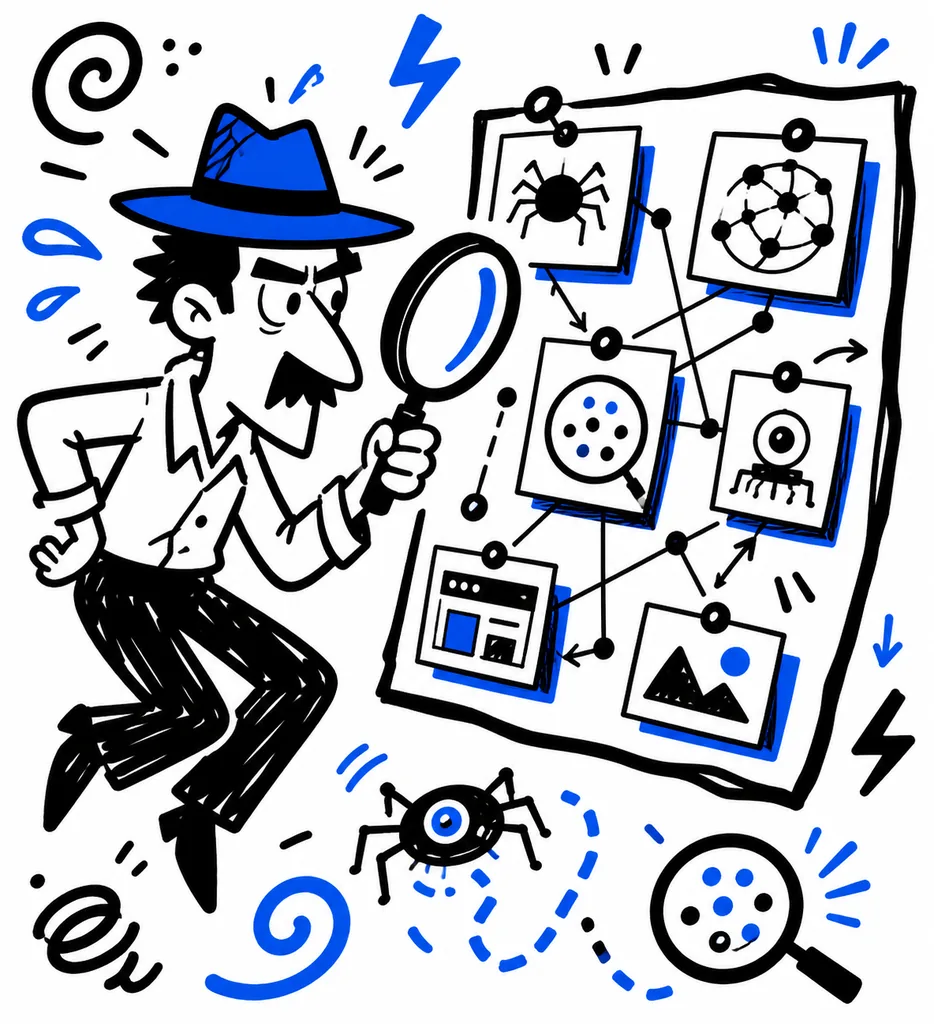
A production-grade mention monitoring setup in 2026 uses three tiers:
Tier 1: Automated crawler-based tools. Tools like Brand24, Mention, and Awario crawl the web continuously for your keywords. They cover news sites, blogs, forums, review platforms, and social media. These handle volume but can miss niche or private sources.
Tier 2: API-based intelligence feeds. News APIs (GDELT, NewsAPI), social API streams (Reddit, Hacker News, X), and review platform APIs provide structured, real-time mention data. These require development work to integrate but offer lower latency and higher precision than crawler tools.
Tier 3: Search engine citation data. Google Alerts remains relevant for basic coverage, but Google's own Brand Insights API (launched 2025) provides brand mention volume and sentiment data directly from Google's index. This is the highest-accuracy data source but comes with rate limits and quota costs.
Setting Up Your Monitoring Pipeline
Start with keyword configuration. Include your brand name (exact match and common misspellings), product names, executive names, and key slogans. Set up boolean operators for precision: "Nous Research" OR "Hermes AI" OR "Nous AI" with negative keywords to filter noise.
Configure source scoring. Assign weight tiers by domain authority and topical relevance. A mention on TechCrunch (DR 93) should alert immediately. A mention on an obscure forum (DR 15) can batch into a weekly digest. This prevents alert fatigue.
Implement sentiment classification. Modern monitoring tools use LLM-based sentiment analysis that achieves 90%+ accuracy on brand mentions. Route negative mentions to a separate high-priority channel. Route positive mentions to a conversion pipeline.
Alerting and Response Workflows
Build three alert channels:
-
Critical (real-time). Negative mentions on high-authority sources, competitor mentions on your branded terms, and mentions on pages that already rank for your head terms. Push to Slack, Discord, or PagerDuty.
-
Opportunity (daily digest). Unlinked mentions on DR 50+ sources. These are your link conversion candidates. Queue them for outreach.
-
Trending (weekly report). Volume changes, new source types, sentiment shifts. Drive your broader SEO strategy from this feed.
Integrating with Your SEO Stack
Store mention data in a structured format (JSON or Parquet) with fields for source URL, source domain authority, mention type (linked/unlinked), sentiment score, extracted text, and timestamp. Load into your data warehouse for correlation against ranking changes.
The 2025-2026 best practice is to join mention data with rank tracking data in a single dashboard. This lets you measure the lag between mention volume changes and ranking movements. Typical lag is 14-28 days for Google to process new brand mentions into ranking signals.
Audit Check
Audit your current monitoring setup this week. List every source type you track (news, social, reviews, forums, blogs, directories). For each, confirm whether you have an automated feed, a manual check, or no coverage. Add coverage for any source type missing. Then verify your alert channels are routing correctly to the right team members.
References
- Google. "Brand Insights API Documentation." Google Developers, 2025.
- Brand24. "The State of Brand Monitoring 2025." Brand24 Blog, 2025.
- Mordy Oberstein. "How Google Uses Brand Mentions as a Ranking Signal." Wix SEO Hub, 2025.
- GDELT Project. "Global Knowledge Graph 2.0 Documentation." GDELT, 2025.
Related Articles
Discover more insights about web development and digital marketing