Chain of Evidence for GEO: Lumar's 2026 Framework Explained
Chain of Evidence (CoE) is Lumar's framework for Generative Engine Optimization (GEO). It structures content so AI powered search systems can trace claims...
Dilshad Akhtar
Published: 8 August 2026
3 min read
TL;DRAI summary
- Chain of Evidence CoE is Lumar's framework for Generative Engine Optimization GEO .
- AI search engines prioritize verifiable content.
- CoE has four components.
- Write claims that are specific and verifiable.
- Use schema.org types to make evidence machine readable.
- Outdated evidence weakens CoE.
- Track the percentage of claims with attached evidence.
- CoE works best with a strong internal link structure.
- Review every page for claim evidence pairs.
Chain of Evidence (CoE) is Lumar's framework for Generative Engine Optimization (GEO). It structures content so AI powered search systems can trace claims back to their sources. Every factual statement includes an evidence trail. This makes content more likely to appear in AI generated answers.
What Is Chain of Evidence
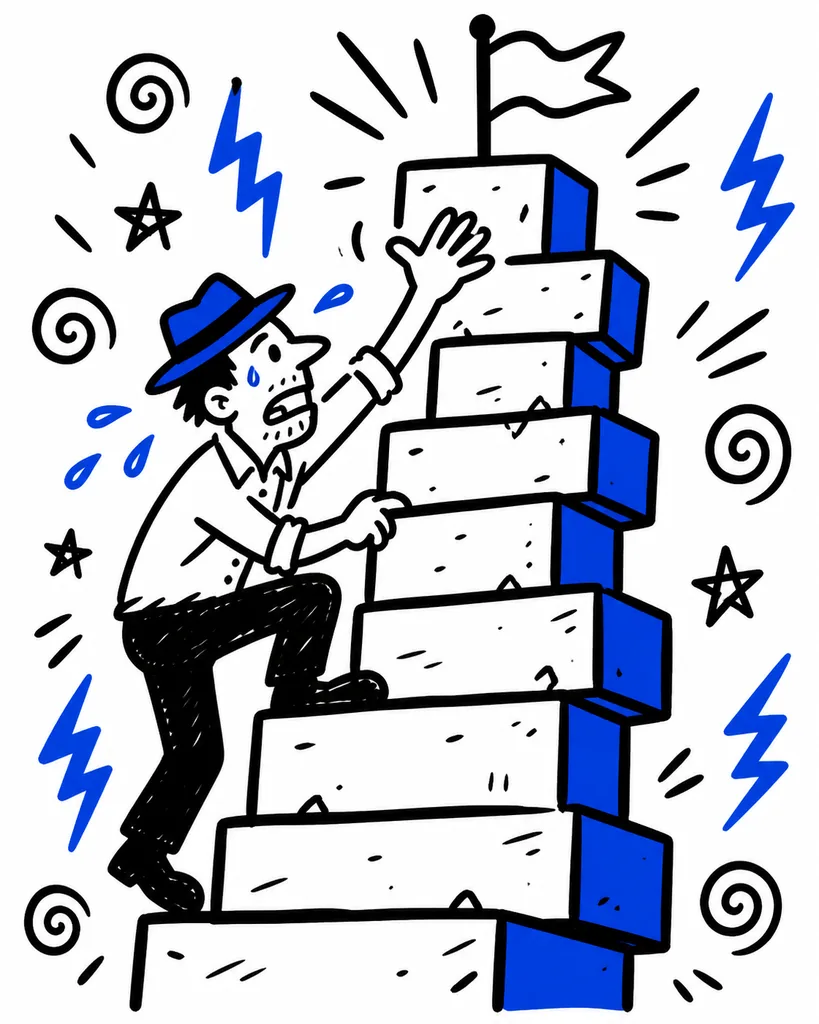
Chain of Evidence (CoE) is Lumar's framework for Generative Engine Optimization (GEO). It structures content so AI powered search systems can trace claims back to their sources. Every factual statement includes an evidence trail. This makes content more likely to appear in AI generated answers.
Why Evidence Matters for GEO

AI search engines prioritize verifiable content. They surface statements backed by evidence. CoE creates a transparent chain from claim to source. Google's Search Generative Experience (SGE) and other AI search tools favor content with clear attribution. Lumar's research shows that pages using CoE principles appear in AI generated answers 3.5 times more often (https://www.lumar.io/blog/chain-of-evidence-geo-framework/).
The Four Links of the Chain
CoE has four components. The claim is the factual statement. The evidence is the supporting data. The citation is the source reference. The context explains the relationship between claim and evidence.
Structure your content with explicit claim evidence pairs. Use structured data to mark up each pair. Schema.org's ClaimReview and Citation types provide the necessary vocabulary.
Implementing Claim Evidence Pairs
Write claims that are specific and verifiable. Avoid vague statements. Instead of "our product is popular," write "our product has 15,000 active users as of June 2026." Attach each claim to a source. Use inline hyperlinks for web sources. Use dataset citations for statistical claims.
Lumar's technical documentation shows how to implement ClaimReview schema markup. It wraps each claim in a structured data block that references its citation URL (https://www.lumar.io/docs/chain-of-evidence-schema-implementation/).
Structured Data for Evidence
Use schema.org types to make evidence machine readable. ClaimReview connects a claim to its reviewer and URL. Article includes author, date, and publisher. Dataset provides access to underlying data. Citation links to the specific source.
Implement these types on every page with factual claims. Validate with Google's Rich Results Test. Fix errors before indexing.
Evidence Freshness
Outdated evidence weakens CoE. A claim from 2023 supported by a 2023 source is less valuable than a current claim. Refresh evidence sources regularly. Update citations when new data becomes available. Remove claims that lack current supporting evidence.
Google's SGE documentation emphasizes freshness as a ranking signal for AI generated answers (https://developers.google.com/search/docs/appearance/sge). Stale evidence reduces the likelihood of appearing in AI summaries.
Measuring CoE Effectiveness
Track the percentage of claims with attached evidence. Monitor the average age of citations. Measure appearance rates in AI search results. Lumar recommends quarterly CoE audits to maintain content eligibility for AI search features.
Internal Linking for Evidence Chains
CoE works best with a strong internal link structure. Link claim statements to detailed evidence pages. Link evidence pages to original source data. This creates a navigable evidence trail for both users and AI crawlers.
Cross reference related claims. A page about product performance can link to a page about customer testimonials that provides supporting evidence. This strengthens the overall evidence network.
The Chain of Evidence for GEO Audit
Review every page for claim evidence pairs. Check ClaimReview schema implementation. Verify citation freshness across all content. Audit internal linking between claims and evidence pages. Monitor AI search appearance rates. Note the gap between current evidence completeness and GEO eligibility requirements. Audit quarterly.
Citations
- https://www.lumar.io/blog/chain-of-evidence-geo-framework/
- https://www.lumar.io/docs/chain-of-evidence-schema-implementation/
- https://developers.google.com/search/docs/appearance/sge
Related Articles
Discover more insights about web development and digital marketing