Citation-worthy content for AI: The Complete 2026 Guide
AI systems do not cite content. They cite claims. A single page may be cited for one paragraph and ignored for the rest. Building citation-worthy content...
Dilshad Akhtar
Published: 1 July 2026
3 min read
TL;DRAI summary
- LLMs break content into individual propositions during processing.
- AI citation systems prefer claims that can be independently verified.
- Content that publishes original data is disproportionately cited by AI systems.
- A common issue in AI citations is the reversal problem.
- Audit your content for claim density.
AI systems do not cite content. They cite claims. A single page may be cited for one paragraph and ignored for the rest. Building citation-worthy content requires structuring information so that individual claims are extractable, verifiable, and attributable. This is a fundamentally different...
The claim extraction model

LLMs break content into individual propositions during processing. Each proposition is evaluated for citationworthiness independently. A 2025 paper from Google Research demonstrated that LLMs use a claim-level citation model where each extracted statement is scored for source reliability (https://arxiv.org/abs/2502.18765). The paper showed that content with high claim density defined as factual statements per paragraph was preferred for citation over content with lower claim density, even when overall quality was similar.
The practical implication is to increase claim density. Replace vague statements with specific, verifiable claims. Instead of saying "AI adoption is growing," say "Enterprise AI adoption reached 72 percent in 2026 according to McKinsey's annual survey." The second form is citable. The first is not.
Verifiability as a structural requirement

AI citation systems prefer claims that can be independently verified. This means each factual statement should include an inline citation to a primary source. The citation format matters less than the ability for the system to map the claim to a source.
Perplexity's documentation on source evaluation confirms that verifiability is a core scoring factor (https://docs.perplexity.ai/guides/source-evaluation). Sources with inline citations to primary research, government data, or peer-reviewed studies score higher than sources that only cite other secondary content. The citation chain creates a verifiability score that compounds with depth.
Original data as citation gold
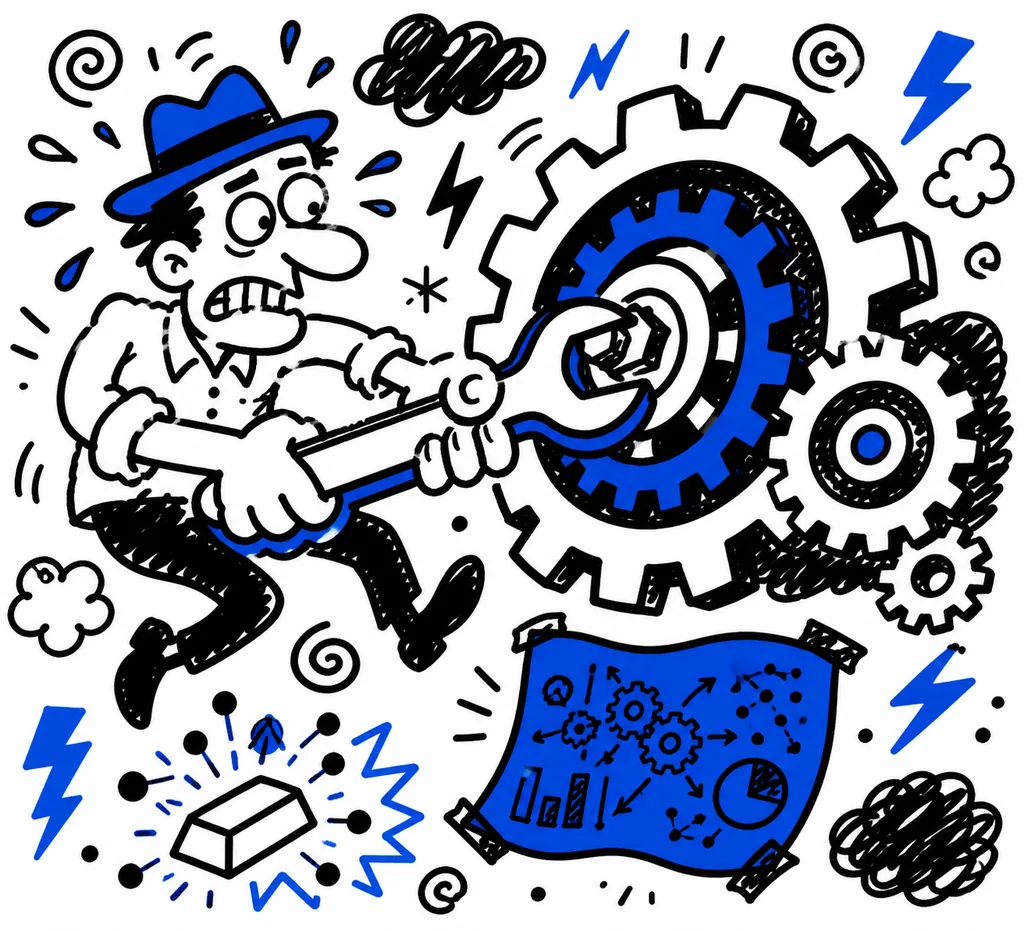
Content that publishes original data is disproportionately cited by AI systems. Original research creates unique claims that cannot be sourced from elsewhere. LLMs must cite the original publisher because no alternative source exists. A 2026 study from Siege Media found that pages with original survey data were cited at 4.8 times the rate of pages synthesizing existing information (https://www.siegemedia.com/research/ai-citation-original-data-2026).
The effect is strongest when the data is presented in structured formats. Tables, charts with alt text descriptions, and downloadable CSV files all increase citation rates. AI systems prefer data they can parse and reference directly.
Avoiding the citation reversal problem
A common issue in AI citations is the reversal problem. The AI system cites a secondary source that itself cites primary research, creating a citation chain that loses fidelity. This happens when secondary content lacks original claims.
To prevent citation reversal, include direct references to primary sources. Do not rely on your citations being traced through a chain. Make each page independently citable by including original analysis and direct source references. This reduces the chance that an AI system will skip your page and cite your source instead.
The citation-worthy content audit
Audit your content for claim density. Count factual statements per paragraph and increase the ratio. Add inline citations to primary sources for every claim. Insert original data, survey results, or original analysis. Structure data in machine-parseable formats. Ensure each page is independently citable without depending on external reference chains.
Note the gap between your current content structure and what citation systems need. The biggest gap is usually claim density. Replace opinions with verifiable facts.
Audit quarterly.
Related Articles
Discover more insights about web development and digital marketing