
Content Depth and Comprehensiveness: The Complete 2026 Guide
Content depth determines rankings. Shallow content covers a topic superficially. Comprehensive content covers every angle, subtopic, and question. Google...
Dilshad Akhtar
Published: 23 June 2026
3 min read
TL;DRAI summary
- Content depth is not word count.
- Google's helpful content system evaluates whether content demonstrates first-hand expertise.
- Start with thorough research.
- The Skyscraper Technique still works for content depth.
- Track subtopic coverage.
- Writing longer but not deeper.
Content depth determines rankings. Shallow content covers a topic superficially. Comprehensive content covers every angle, subtopic, and question. Google rewards comprehensive content.
What Content Depth Means
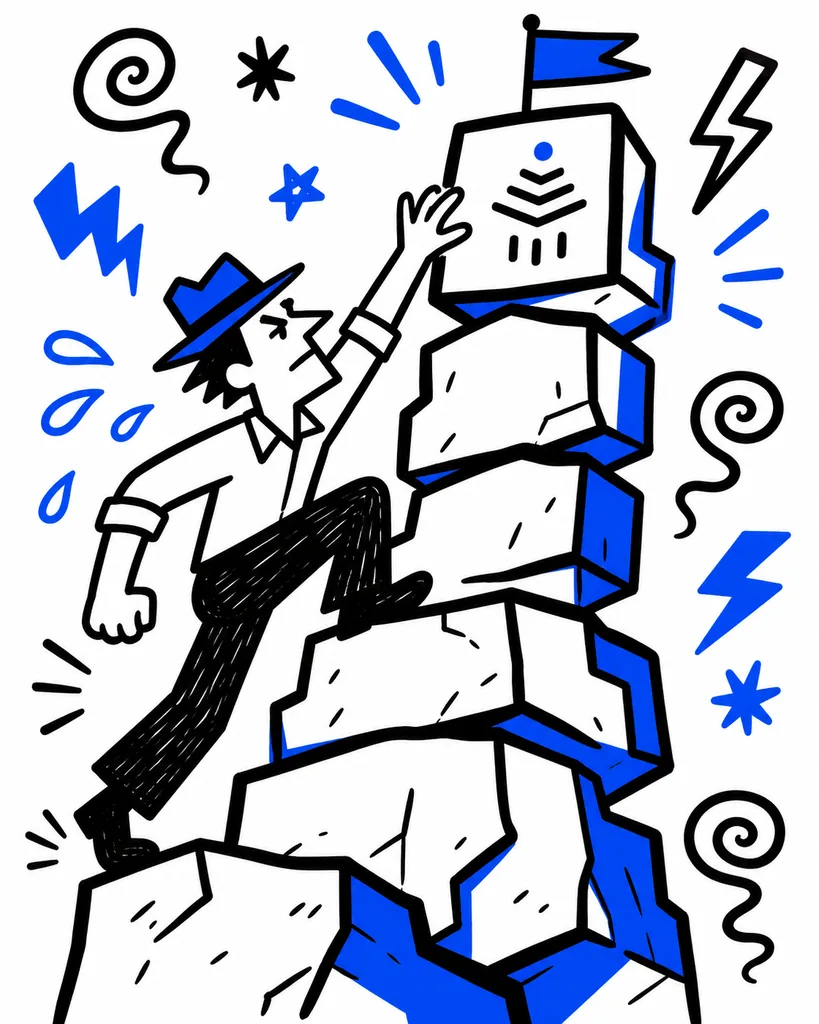
Content depth is not word count. It is coverage completeness. Deep content answers every question a user might have about a topic. It includes definitions, examples, data, comparisons, and practical guidance.
Deep content also connects to related topics. It shows how concepts relate. It provides context that shallow content lacks.
A 2025 analysis from Backlinko found that comprehensive pages covering 12 or more related subtopics ranked 2.7 positions higher on average than pages covering fewer than 5 subtopics.
Why Google Rewards Depth

Google's helpful content system evaluates whether content demonstrates first-hand expertise. Deep content signals that the author knows the subject thoroughly.
Google's NLP systems identify topic coverage. They detect which entities and concepts your content includes. Content that covers more relevant entities scores higher for topical authority.
Depth also drives user engagement. Users stay longer on comprehensive pages. They visit fewer other pages to find answers. Good engagement signals reinforce rankings.
How to Build Comprehensive Content

Start with thorough research. Identify every question related to your topic. Use Google's People Also Ask, related searches, and "discussions and forums" features.
Analyze competitor content. Read the top 5 ranking pages for your keyword. Note what each covers. Identify what all of them cover and what gaps exist.
Create a comprehensive outline. List every subtopic that needs coverage. Organize them logically. Include definitions, examples, data, step-by-step guidance, and troubleshooting sections.
Cover edge cases. Think about situations where your advice does not work. Address those situations. This builds trust and completeness.
Include multiple formats. Use text, images, charts, tables, and code examples where appropriate. Different formats address different user needs.
The Skyscraper Technique for Depth
The Skyscraper Technique still works for content depth. Find the most comprehensive content for your topic. Make something better. Add more subtopics. Include better examples. Provide more recent data.
But do not add fluff. Every section must serve the user. If a section does not answer a real question, remove it.
Measuring Content Depth
Track subtopic coverage. List the subtopics your competitors cover. Count how many you cover. Aim to cover as many or more.
Monitor content authority scores. Tools like MarketMuse measure topical authority. Higher scores indicate deeper coverage.
Check keyword rankings for related terms. Deep content ranks for more than just the primary keyword. Track ranking expansion over time.
Common Depth Mistakes
Writing longer but not deeper. Adding more words about the same subtopics does not build depth. Add new subtopics instead.
Covering unrelated topics. Staying on topic matters. Do not cover concepts that do not directly relate to your core subject.
Forgetting the user. Depth serves the user, not the ranking algorithm. If depth does not help the user, it does not help rankings.
The content depth audit: Review your top pages. Count the subtopics each covers. Compare to competitor pages covering the same topic. Identify missing subtopics. Add them. Note the gap between your current coverage depth and the comprehensive coverage your audience expects. Audit quarterly.
Sources:
- Google Search Central, "Creating Helpful Content" https://developers.google.com/search/docs/fundamentals/creating-helpful-content
- Backlinko, "Pillar Pages and Topic Clusters" https://backlinko.com/seo-pillar-pages
- Search Engine Land, "Google E-E-A-T Factors" https://searchengineland.com/google-eat-factors-324292
Related Articles
Discover more insights about web development and digital marketing