Helpful Content Update and AI content: The Complete 2026 Guide
The Helpful Content Update (HCU) changed how Google evaluates all content. Its impact on AI-generated content is significant but often misunderstood. This...
Dilshad Akhtar
Published: 1 July 2026
3 min read
TL;DRAI summary
- The Helpful Content System evaluates content against a people-first standard.
- The system evaluates expertise.
- The HCU does not block all AI content.
- Sites hit by the HCU that removed low-value AI content recovered.
- Google continues refining the system.
- Check if your site has been affected by HCU signals.
The Helpful Content Update (HCU) changed how Google evaluates all content. Its impact on AI-generated content is significant but often misunderstood. This guide explains the relationship in 2026.
How the HCU works

The Helpful Content System evaluates content against a people-first standard. Content written primarily for search ranking performs poorly. Content written for human readers performs well. The system operates as a site-wide signal.
Google launched the original update in August 2022. Major refinements came in September 2023 and March 2024. The September 2025 update added specific patterns for AI-generated content detection. Google's documentation now cites auto-generated content as a category the system addresses (https://developers.google.com/search/updates/helpful-content-update). The documentation makes clear the HCU targets the behavior, not the technology.
The system classifies sites on a scale. Sites with mostly unhelpful content see ranking declines across all their pages. This site-wide effect makes the HCU particularly dangerous for sites with mixed content quality.
HCU signals relevant to AI content

The system evaluates expertise. AI content often lacks demonstrated expertise from the author. The system looks for first-hand knowledge. AI content without personal experience signals scores lower. Google's quality rater guidelines explicitly mention that content should demonstrate that the author has direct experience.
The system evaluates purpose. Content that summarizes existing sources without adding new insight gets flagged. AI tools frequently produce this pattern. Each page needs a clear user-focused purpose beyond summarizing what already exists.
The system evaluates presentation. Content with signs of automation including unnatural phrasing and repetitive structure triggers review. Quality guidelines penalize these patterns regardless of production method. The September 2025 update specifically improved detection of templated content structures common in AI output.
What the HCU does not do
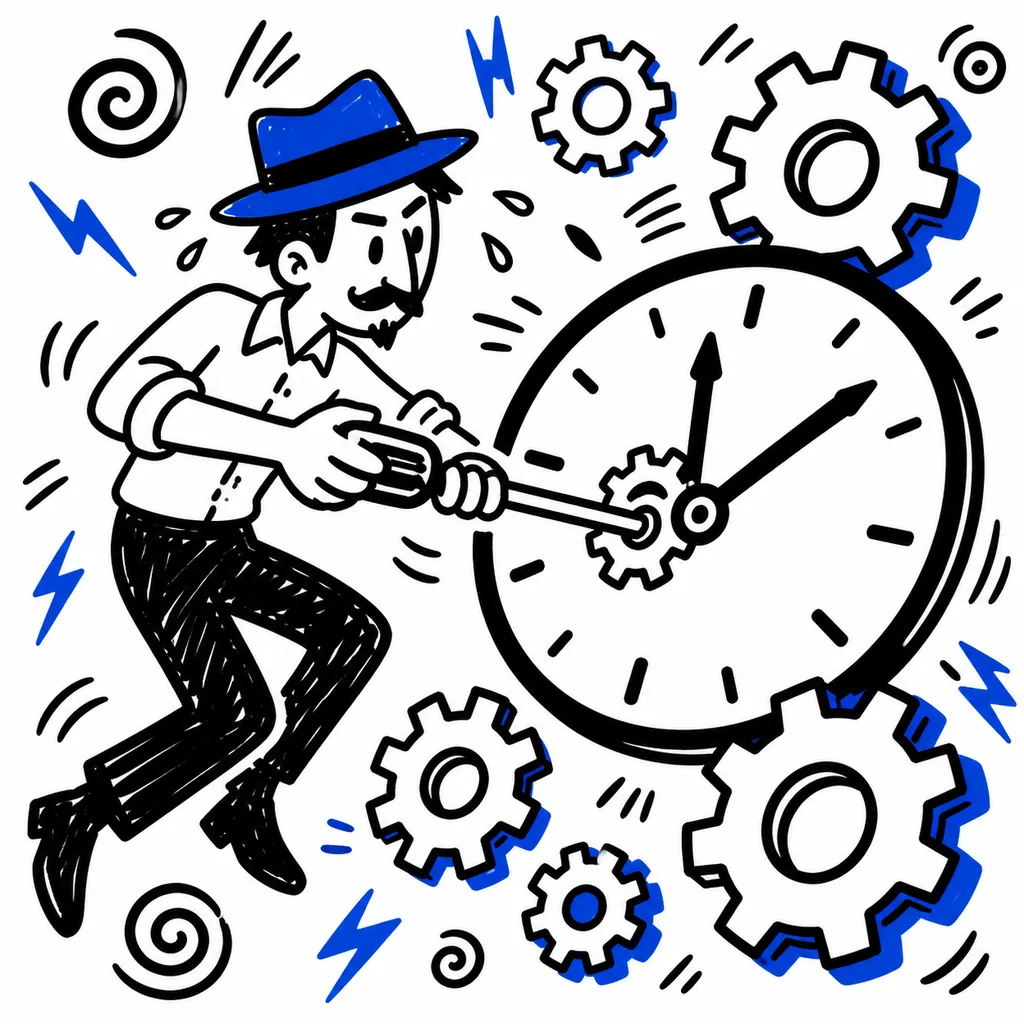
The HCU does not block all AI content. It blocks content that fails the people-first test. Content with genuine value ranks regardless of how it was produced.
Google's John Mueller clarified this in 2025 (https://www.seroundtable.com/google-hcu-ai-content-john-mueller-37924.html). The system is not an AI detector. It is a quality classifier. Content that passes the quality bar ranks. Content that fails does not. This distinction is critical for content strategy decisions.
Real HCU recovery cases
Sites hit by the HCU that removed low-value AI content recovered. A 2025 case study from Search Engine Land showed a site that deleted 60 percent of its AI-generated pages and recovered 80 percent of organic traffic within six months (https://searchengineland.com/hcu-recovery-ai-content-deletion-449832). The recovery came from reducing noise, not from changing production methods.
Sites that improved AI content with expert review also recovered. Adding author bylines, original data, and personal experience helped. The recovery took longer but was more sustainable. These sites maintained higher quality after recovery.
Preparing for future HCU updates
Google continues refining the system. The March 2026 update improved detection of content that lacks demonstrated experience. AI content with generic author bios and no personal context gets flagged more aggressively.
Focus on building subject matter expertise into every piece. Use specific examples from real projects. Include data from original analysis. These signals protect against future updates. The trend is toward stricter evaluation of experience regardless of production method.
The HCU and AI content audit
Check if your site has been affected by HCU signals. Review traffic patterns since major updates. Remove content that exists only for search traffic. Upgrade remaining AI content with expertise signals.
Note the gap between standard AI output and the people-first standard. HCU enforcement is a quality filter, not an AI filter. Close the gap with demonstrated expertise.
Audit quarterly.
Related Articles
Discover more insights about web development and digital marketing
3 min read
What Is the Helpful Content Update? A Developer's Guide to Google's 2025-2026 Algorithm Shift