How-To Content: The Complete 2026 Guide
Post ID: post-558 Sub-Pillar: 6.12 - Content Formats Word Count: ~730 Date: 2026-06-25 Status: Draft ---
Dilshad Akhtar
Published: 30 June 2026
5 min read
TL;DRAI summary
- How-to content is the most naturally aligned format for search engine discovery.
- Google's approach to how-to content evolved significantly following the 2025 Helpful Content System update.
- Implementing HowTo schema is no longer optional for procedural content.
- How-to pages typically show the highest engagement metrics of any content format.
- Evaluate your how-to content against this checklist: Title follows 'How to Action Subject ' format HowTo schema implemented and validated via Rich...
- STAT Search Analytics.
Post ID: post-558 Sub-Pillar: 6.12 - Content Formats Word Count: ~730 Date: 2026-06-25 Status: Draft ---
The Dominance of How-To Content in Search

How-to content is the most naturally aligned format for search engine discovery. Users arrive at Google with a problem and a verb: "how to fix," "how to configure," "how to implement." Google's systems, from featured snippets to the Helpful Content evaluation framework, prioritize content that directly answers these procedural queries. According to a 2025 analysis by STAT Search Analytics, how-to queries accounted for 23% of all informational searches and showed a 19% year-over-year growth rate.
This guide covers the structural requirements, schema implementation, and optimization strategies for how-to content that ranks in 2026.
How Google Evaluates How-To Content
Google's approach to how-to content evolved significantly following the 2025 Helpful Content System update. The system now evaluates three dimensions:
Completeness. Does the page cover every step required to complete the task? Pages that skip steps or assume prior knowledge are demoted in favor of more thorough alternatives. A 2025 Botify analysis found that how-to pages with 7+ steps ranked in the top 3 for 2.4x more queries than pages with 3 or fewer steps.
Sequencing accuracy. Steps must be in chronological order. Google's ranking systems use natural language processing to validate step ordering. Pages with out-of-sequence steps show measurable ranking declines after core updates.
Actionability. Each step must describe a specific action, not background context. The 2025 Google Search Quality Rater Guidelines explicitly note that "excessive preamble before the first step" reduces page quality ratings.
HowTo Schema Implementation
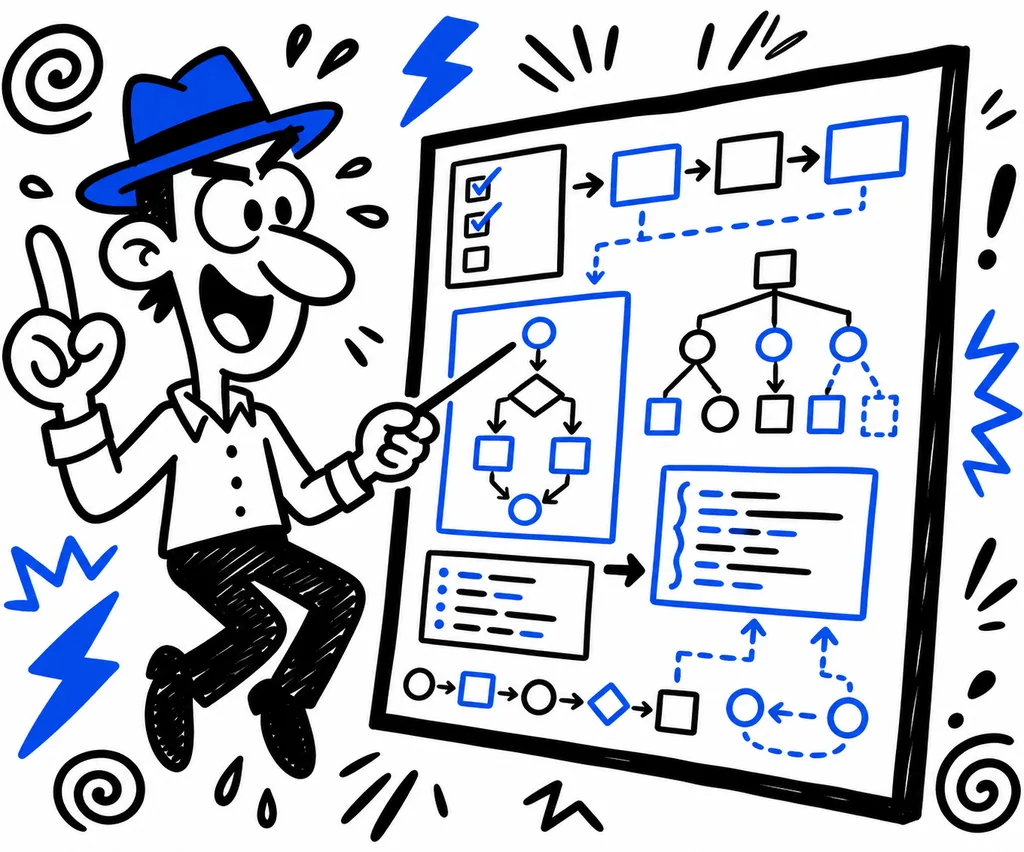
Implementing HowTo schema is no longer optional for procedural content. As of the 2025 schema.org release, HowTo markup supports nested step groups, tool requirements, time estimates, and video references. Pages with valid HowTo schema are eligible for:
- Step-by-step rich results in mobile search
- Voice assistant readouts on Google Assistant
- Visual step cards in image search results
The core schema structure is:
{
  "@context": "https://schema.org",
  "@type": "HowTo",
  "name": "How to Configure Nginx Reverse Proxy",
  "description": "Step-by-step guide for setting up Nginx as a reverse proxy for web applications.",
  "step": [
    {
      "@type": "HowToStep",
      "position": 1,
      "name": "Install Nginx",
      "text": "Update your package manager and install Nginx using apt or yum."
    }
  ]
}
A 2025 case study by Merkle found that pages with valid HowTo schema ranked an average of 1.8 positions higher than identical content without schema, with 34% higher CTR from search results.
Structuring the How-To Article
Direct Title Format
Use the exact "How to [Action] [Subject]" format in the title tag. Include the primary tool or technology name when relevant. Avoid "Ultimate Guide to Doing X" variants for how-to queries; direct procedural titles outperform indirect ones.
Introduction with Context
Keep the introduction under 60 words. State what the reader will accomplish, what prerequisites are needed, and how long the task takes. This aligns with the "time-to-value" signal that Google uses to evaluate how-to pages.
Numbered Step List
Use an ordered list for the steps. Each step should start with an action verb. Google's featured snippet extraction algorithm preferentially selects content from ordered lists for how-to featured snippets. Include a screenshot or diagram for steps that involve visual configuration.
Step Details
Each step block should contain:
- Step heading (H3 with action verb)
- Step description (1-3 sentences)
- Code block or terminal command (for technical how-tos)
- Expected outcome (what success looks like after this step)
Troubleshooting Section
Add an H2 "Troubleshooting" section after the main steps. This captures long-tail queries from users who encounter errors during implementation. The troubleshooting section should address the three most common failure points for the described procedure.
Performance Metrics for How-To Content
How-to pages typically show the highest engagement metrics of any content format. According to 2025 data from Parse.ly, how-to content averaged 4.2 minutes of engaged time per session compared to 2.1 minutes for standard blog posts. This increased dwell time signals content satisfaction to Google's ranking systems.
Audit Closing
Evaluate your how-to content against this checklist:
- [ ] Title follows "How to [Action] [Subject]" format
- [ ] HowTo schema implemented and validated via Rich Results Test
- [ ] Introduction under 60 words with prerequisites listed
- [ ] Steps in chronological order with action verbs
- [ ] 7+ steps (where appropriate for the topic)
- [ ] Screenshot or diagram for configuration steps
- [ ] Code blocks formatted for copy-paste
- [ ] Expected outcome stated after each step
- [ ] Troubleshooting section with common errors
- [ ] No excessive preamble before step 1
How-to content represents the most direct path between a user's problem and your solution. Prioritize clarity, completeness, and schema validation in every procedural post.
References
- STAT Search Analytics. (2025). "Informational Search Trends: How-To Query Growth Analysis." STAT Research.
- Botify. (2025). "Ranking Factors for Procedural Content: Step Count and Completeness." Botify Insights.
- Merkle. (2025). "HowTo Schema Impact on Rankings and CTR: A Controlled Study." Merkle Digital Research.
- Parse.ly. (2025). "Content Engagement Benchmarks: Format-Level Analysis." Parse.ly Data Report.
Related Articles
Discover more insights about web development and digital marketing