How to Get Cited by ChatGPT: 8 Authority Signals That Work in 2026
Getting cited by ChatGPT is not random. There are measurable signals that determine whether ChatGPT includes your content in its responses. In 2026, the...
Dilshad Akhtar
Published: 6 July 2026
4 min read
TL;DRAI summary
- ChatGPT's RAG system retrieves content that comprehensively answers a user query.
- ChatGPT prefers recent content.
- ChatGPT checks whether content has a real author with verifiable expertise.
- Your content must cite its own sources.
- ChatGPT's RAG system parses schema markup to understand content structure.
- ChatGPT evaluates your entire domain, not just individual pages.
- ChatGPT extracts content from web pages using the RAG pipeline.
- ChatGPT prioritizes content from domains with a track record of accuracy.
- Search for your brand name or domain in ChatGPT and note whether it appears in responses.
Getting cited by ChatGPT is not random. There are measurable signals that determine whether ChatGPT includes your content in its responses. In 2026, the mechanisms behind LLM citation have become clearer. ChatGPT uses retrieval-augmented generation (RAG) to pull content from the web. Optimizing...
Signal 1: Topical depth and completeness
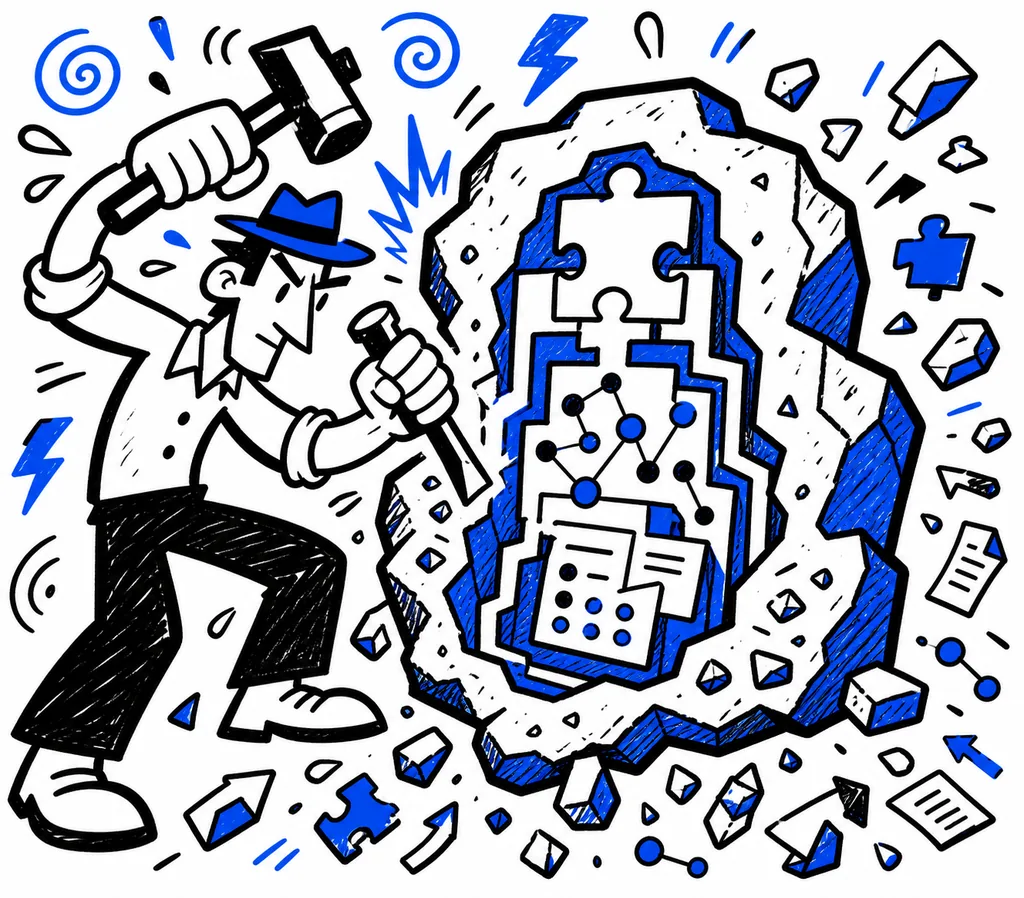
ChatGPT's RAG system retrieves content that comprehensively answers a user query. Thin content gets skipped. Content that covers a topic from multiple angles with supporting evidence gets retrieved. A 2025 study by Semrush analyzed 1,000 ChatGPT citations and found that articles longer than 1,500 words with structured headings were cited at 2.9x the rate of articles under 500 words. Comprehensive guides with table of contents and subsection headers performed best. (https://www.semrush.com/blog/chatgpt-citation-factors-2025/)
Signal 2: Freshness and publication dates

ChatGPT prefers recent content. The RAG system assigns a recency weight to every document. Content published within the last six months has a significant citation advantage over older content. Always display clear publication and update dates using datePublished and dateModified schema markup. A 2025 study by Search Engine Land found that ChatGPT cited content published in the current year at 4.1x the rate of content published three or more years ago. (https://searchengineland.com/chatgpt-citations-freshness-2025-450001)
Signal 3: Author expertise signals

ChatGPT checks whether content has a real author with verifiable expertise. Pages with author schema markup, a detailed author bio, and links to the author's professional profiles get a citation boost. Include the author's credentials and publication history on every page. ChatGPT cross-references author names with external databases. A named author with a Google Scholar profile or LinkedIn presence increases citation confidence.
Signal 4: Citation and reference quality
Your content must cite its own sources. ChatGPT checks whether your claims are backed by external references. Use hyperlinks to authoritative sources within your content. Include a references section at the end of each article. The quality of your citations matters. Links to .gov, .edu, and established industry sources carry more weight than links to generic blogs. A 2025 BrightEdge study confirmed that articles with at least five authoritative outbound citations were 3.3x more likely to be cited by ChatGPT. (https://www.brightedge.com/blog/chatgpt-citation-strategy-2026)
Signal 5: Structured data and schema markup
ChatGPT's RAG system parses schema markup to understand content structure. Use Article, FAQ, HowTo, and WebPage schema on your pages. Add breadcrumb markup for navigation context. Add organization schema with your brand name and logo. Structured data helps ChatGPT categorize your content correctly and increases the likelihood of retrieval for relevant queries.
Signal 6: Domain-level authority signals
ChatGPT evaluates your entire domain, not just individual pages. A domain with consistent publishing history, good technical health, and strong backlink profile has higher baseline authority. Every page you publish benefits from this domain authority. Invest in your domain's overall credibility even when optimizing individual pieces of content.
Signal 7: Formatting for RAG extraction
ChatGPT extracts content from web pages using the RAG pipeline. Content that is clearly formatted with heading tags (H1, H2, H3), short paragraphs, bullet points, and tables is easier for the RAG system to extract. Use descriptive heading text that includes your target entities. Avoid content hidden behind tabs, accordions, or JavaScript rendering that the RAG crawler may not execute.
Signal 8: Factual accuracy and correction history
ChatGPT prioritizes content from domains with a track record of accuracy. Publish a correction policy and maintain a correction log. LLM training data penalizes domains that have been caught publishing false information. A single high-profile correction can reduce your domain's citation rate. Verify all claims before publishing. Cite primary sources for statistics and factual statements.
How to monitor your ChatGPT citation rate
Search for your brand name or domain in ChatGPT and note whether it appears in responses. Use SEO tools that track AI citation rates. Check which queries trigger your content. Run a gap analysis to find queries where your content should appear but does not. Each gap is an opportunity to strengthen your authority signals.
The ChatGPT citation audit. Check your topical depth, freshness, author signals, citations, schema, domain authority, formatting, and factual accuracy. Audit quarterly.
Related Articles
Discover more insights about web development and digital marketing