Hub and Spoke Internal Linking: The Complete 2026 Guide
Implement the hub and spoke linking model for better SEO performance and content discoverability.
Dilshad Akhtar
Published: 24 June 2026
4 min read
TL;DRAI summary
- Google evaluates topical relevance by analyzing the relationship between linked pages.
- The Hub Pillar Page .
- For a healthy hub and spoke system, follow these link distribution rules: The hub page should link to every spoke page at least once Each spoke...
- Orphaned spokes.
- Track these metrics after implementing hub and spoke linking: Organic traffic to hub page should increase by 20-40% Organic traffic to spoke pages...
- Verify hub page links to every spoke page Verify each spoke links back to the hub within the first 200 words Check for cross-links between related...
- HubSpot.
The hub and spoke model (also called the pillar-cluster model) is an internal linking architecture where a central hub page links out to multiple spoke pages, and each spoke page links back to the hub. This creates a clear topical center with supporting content radiating outward. It is one of...
Why the Hub and Spoke Model Works
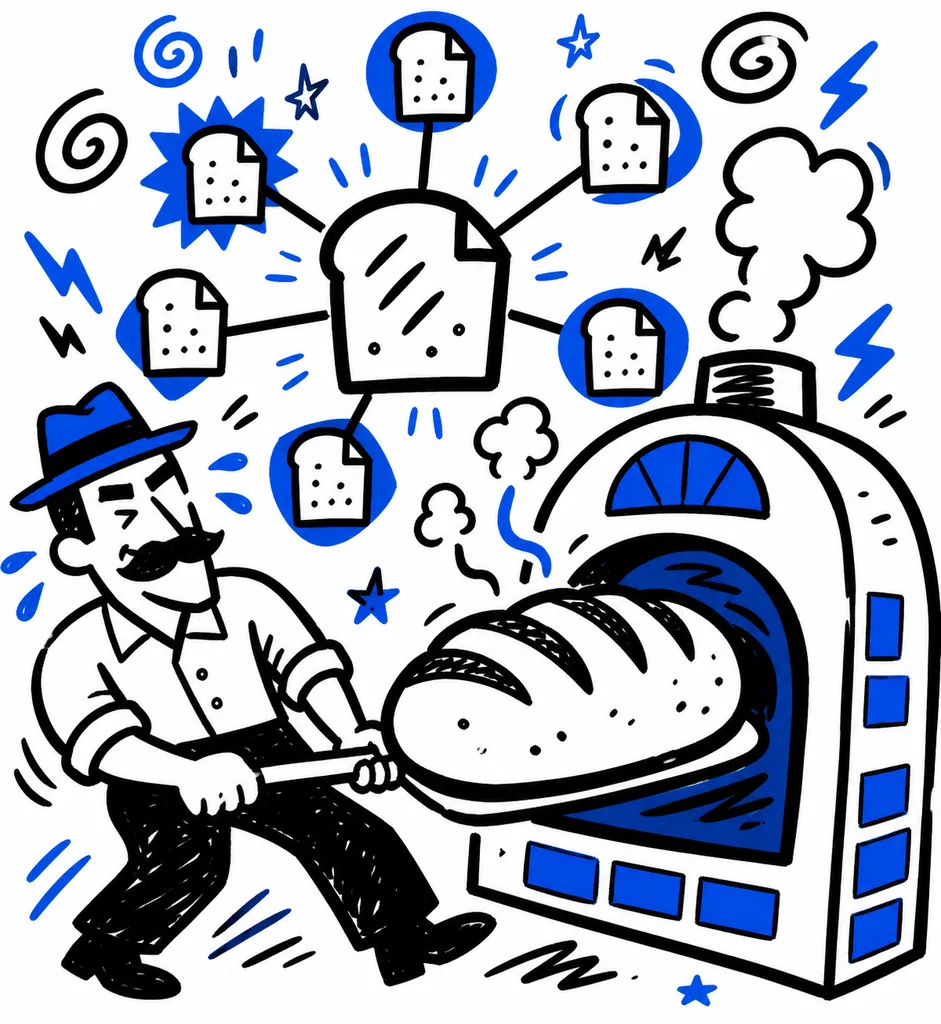
Google evaluates topical relevance by analyzing the relationship between linked pages. When a central page links to many pages about the same topic, Google infers that the central page is a comprehensive resource and that the spoke pages are authoritative subtopics.
A 2025 study by HubSpot found that sites using the hub and spoke model saw a 35% increase in organic traffic to their pillar pages and a 22% increase to their cluster content within 3 months of implementation.
The model also improves user experience. Visitors land on a hub page, find a well organized list of related topics, and click through to detailed content. This reduces bounce rates and increases pages per session.
How to Structure a Hub and Spoke System
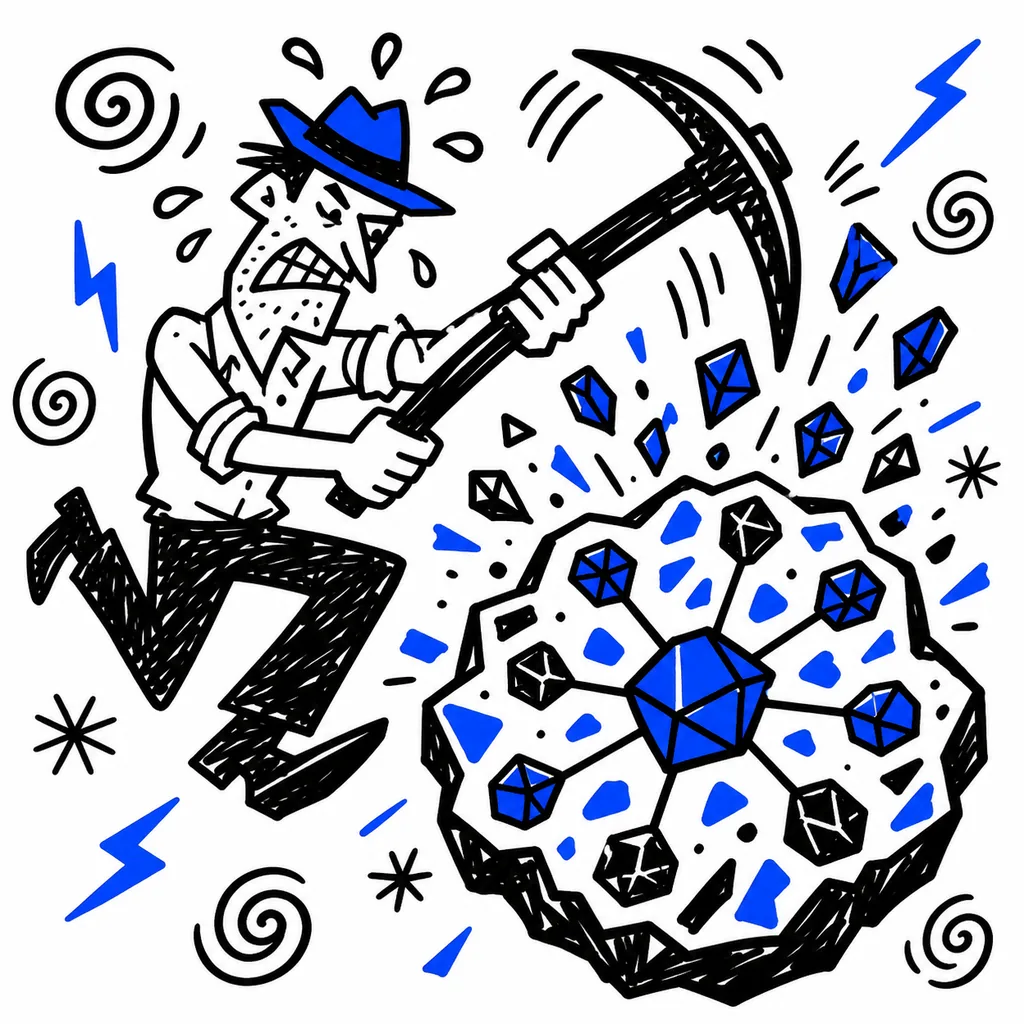
The Hub (Pillar Page). This is a long-form, comprehensive guide that covers a broad topic. It should include:
- A table of contents with links to each spoke page
- Summary sections that link to spoke pages for deeper reading
- Internal links within the content that naturally point to spoke pages
- A return link structure that brings users back to the hub
The Spokes (Cluster Pages). These are detailed posts that cover specific subtopics. Each spoke should:
- Link back to the hub page early in the content (within the first 200 words)
- Include contextual links to other spoke pages where relevant
- Avoid linking to pages outside the topic cluster
- Maintain a narrow focus on the specific subtopic
Link Distribution Guidelines
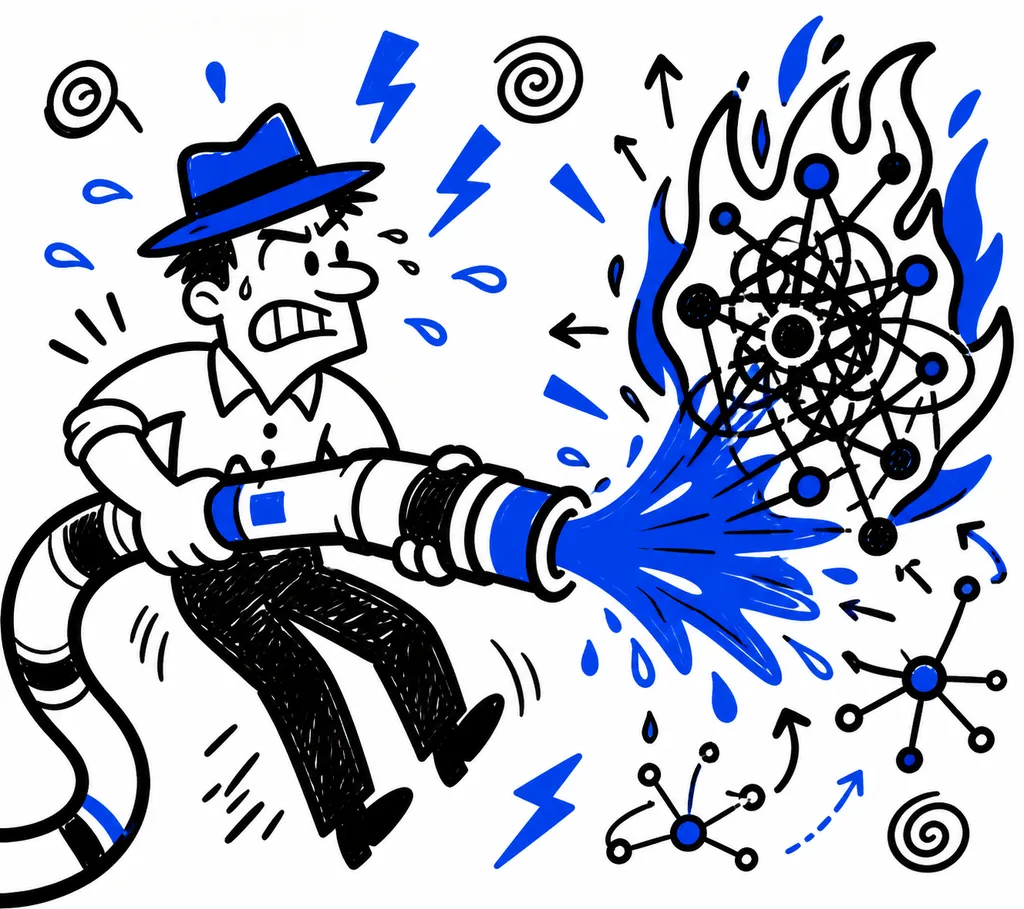
For a healthy hub and spoke system, follow these link distribution rules:
- The hub page should link to every spoke page at least once
- Each spoke page should link back to the hub at least once
- Spoke pages should link to 2-3 other spoke pages for cross-referencing
- No spoke page should have more outbound links to non-cluster pages than to cluster pages
Use tools like Screaming Frog to visualize your link graph and verify these patterns. A visual link map quickly reveals broken connections or missing return links.
Common Hub and Spoke Mistakes
Orphaned spokes. Spoke pages that link to the hub but are never linked from the hub are effectively orphans. Ensure the hub page links to every spoke.
Cross-topic linking. A spoke page about "meta descriptions" linking to a spoke page about "image optimization" in a different cluster dilutes topical signals. Keep links within the same topic cluster.
Broken return links. When a hub page is updated and spoke page URLs change, return links break. Implement a redirect strategy and audit quarterly.
Thin spokes. A spoke page with 200 words of content adds no value. Each spoke should be substantial on its own. Google's helpful content system penalizes thin cluster content.
Measuring Success
Track these metrics after implementing hub and spoke linking:
- Organic traffic to hub page (should increase by 20-40%)
- Organic traffic to spoke pages (should increase by 15-25%)
- Average position for cluster keywords (should improve by 2-4 positions)
- Click-through rate from hub to spoke pages (target above 5%)
Audit Checklist
- [ ] Verify hub page links to every spoke page
- [ ] Verify each spoke links back to the hub within the first 200 words
- [ ] Check for cross-links between related spoke pages
- [ ] Ensure no spoke is orphaned (links out but no link in)
- [ ] Confirm spokes do not link to unrelated topic clusters
- [ ] Audit for broken links in the hub-spoke network
- [ ] Measure traffic changes 90 days post-implementation
Citations
- HubSpot. "Hub and Spoke Content Model Study 2025." https://blog.hubspot.com/marketing/hub-and-spoke-seo-study
- Search Engine Journal. "Topic Clusters vs Silo Structure 2025." https://www.searchenginejournal.com/topic-clusters-vs-silos/
- Google Search Central. "Organizing Your Site." https://developers.google.com/search/docs/fundamentals/site-structure
Related Articles
Discover more insights about web development and digital marketing