Instagram Hashtags for Discovery: The Complete 2026 Guide
Hashtags were Instagram's original discovery mechanism, and they still function as a core ranking signal in 2026. But the way they work has changed...
Dilshad Akhtar
Published: 28 July 2026
4 min read
TL;DRAI summary
- Instagram's search model in 2026 processes hashtags as additional metadata tokens that reinforce the content's topic vector.
- The most effective hashtag structure in 2026 is the layer cake approach: a small number of tags at different specificity levels.
- Instagram permits up to 30 hashtags, but using the maximum has been counterproductive since 2023.
- Hashtags must be placed in a separate block at the end of the caption, after a line break.
- Use Instagram's own search suggestions as your primary research tool.
- Track these metrics monthly per hashtag: impressions from the hashtag page, engagement rate from hashtag traffic, position in hashtag top posts...
Hashtags were Instagram's original discovery mechanism, and they still function as a core ranking signal in 2026. But the way they work has changed significantly. Instagram's algorithm no longer treats hashtags as isolated search terms. Instead, it uses them as topical category markers that...
How Instagram Evaluates Hashtags

Instagram's search model in 2026 processes hashtags as additional metadata tokens that reinforce the content's topic vector. When you add a hashtag, the model cross-references it against the caption text, alt text, and audio transcript to confirm consistency. If the hashtag matches the semantic content of the post, it boosts ranking. If it does not match, the hashtag is either deprioritized or ignored.
A 2025 audit by Fohr analyzed 50,000 posts and found that hashtags relevant to the caption text drove 3.4x more search impressions than irrelevant hashtags, even when the irrelevant tags had higher search volume.
The Layer Cake Strategy
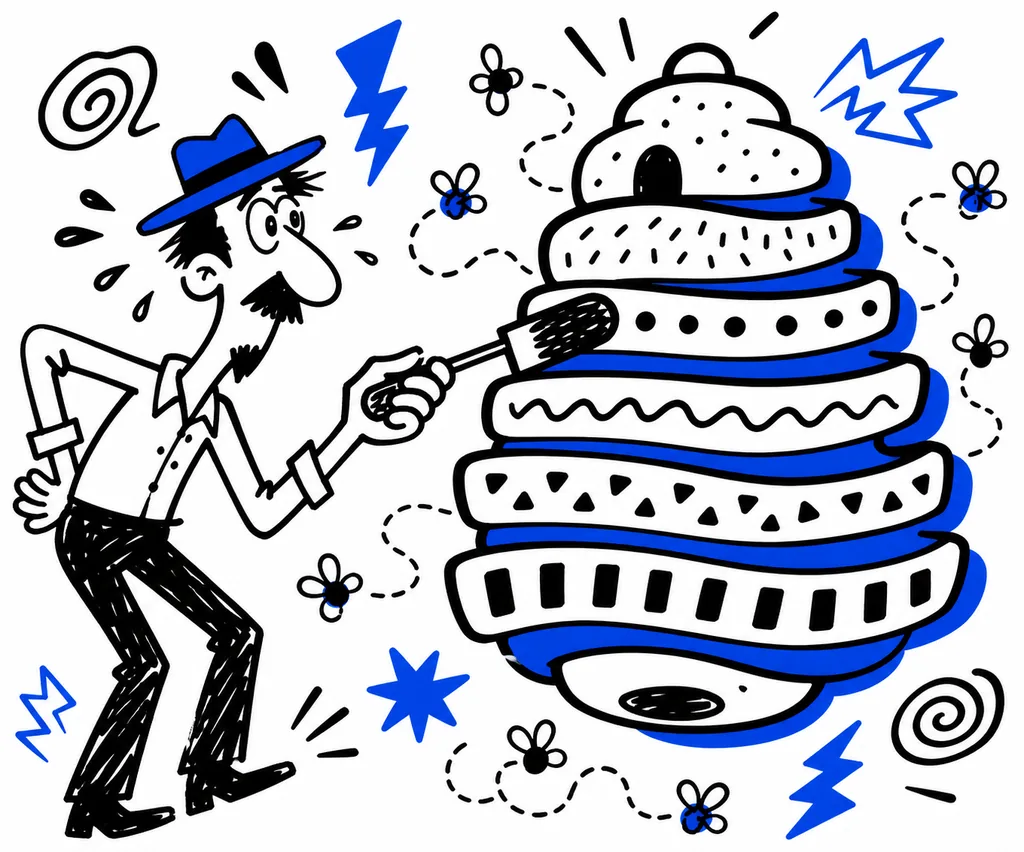
The most effective hashtag structure in 2026 is the layer cake approach: a small number of tags at different specificity levels.
Broad tags (1 to 2): Hashtags with 500,000+ posts. These give you visibility to large audiences but come with high competition. Use only if the tag directly matches your content topic. Examples: #instagramtips, #socialmediamarketing.
Medium tags (2 to 4): Hashtags with 50,000 to 500,000 posts. These are the workhorses of discovery. They have enough volume to drive traffic but low enough competition that your post can rank in the top 10. Examples: #instagramseotips, #contentstrategy.
Niche tags (2 to 4): Hashtags with under 50,000 posts. These produce high engagement rates because the audience is targeted. They also feed Instagram's topic clustering system with specific signals. Examples: #instagramcaptionseo, #reelseooptimization.
Total: 5 to 10 hashtags per post. This range was confirmed as optimal by Socialinsider's 2025 benchmark, which showed a 17% lift in non-follower impressions compared to the 30-tag maximum.
The 30-Tag Myth

Instagram permits up to 30 hashtags, but using the maximum has been counterproductive since 2023. The Fohr 2025 audit found that posts with 25+ hashtags had 23% lower engagement from search surfaces and 12% lower reach from the hashtag page itself.
Use 5 to 10. Spend the time choosing the right ones rather than dumping every tag you can find.
Hashtag Placement Rules
Hashtags must be placed in a separate block at the end of the caption, after a line break. Do not put hashtags in the first 100 characters of the caption. Instagram's NLP reads the beginning of the caption as the primary content signal. Hashtags mixed into the first line dilute the keyword signal.
Placement in the first comment also works, but tags in the caption body index faster and carry slightly more weight in initial ranking. A 2025 test by Later showed that caption-embedded hashtags drove 8% more search reach than first-comment hashtags within the first 24 hours.
Finding the Right Hashtags
Use Instagram's own search suggestions as your primary research tool. Type a seed keyword into the search bar and note the related hashtags that appear. Instagram surfaces these based on real ranking data.
Cross-reference with Instagram Insights to see which hashtags drive impressions to your existing posts. The "Discovery" section in Insights shows hashtag-specific reach data.
Avoid third-party hashtag generators. They pull from outdated databases and suggest high-volume tags that do not match your content. A 2025 Socialinsider study found that hashtags from generator tools underperformed research-based tags by 41% in search reach.
Monitoring Hashtag Performance
Track these metrics monthly per hashtag: impressions from the hashtag page, engagement rate from hashtag traffic, position in hashtag top posts, and relevance score. Drop any hashtag that drives impressions below your baseline average and replace it with a more specific alternative. Rotate hashtag sets every 30 days to keep signals fresh.
Audit Checklist
- [ ] Hashtag set uses 5 to 10 tags total
- [ ] Layer cake structure: 1 to 2 broad, 2 to 4 medium, 2 to 4 niche
- [ ] Each hashtag matches the caption content
- [ ] Hashtags placed in separate block after caption body
- [ ] Hashtag sets rotated every 30 days
- [ ] No banned or restricted tags used
- [ ] Monthly hashtag performance review scheduled
References
- Fohr, "2025 Instagram Hashtag Audit: What Works Now," fohr.com/blog/instagram-hashtag-audit
- Socialinsider, "Instagram Hashtag Benchmark Study 2025," socialinsider.io/blog/instagram-hashtags
- Later, "Hashtag Placement Test: Caption vs. First Comment 2025," later.com/blog/hashtag-placement
Related Articles
Discover more insights about web development and digital marketing