International entity SEO for AI: The Complete 2026 Guide
A technical guide to building and optimizing multilingual entity knowledge graphs for AI search visibility, including schema.org localization, entity relationship mapping, and cross-lingual entity resolution strategies for 2026.
Dilshad Akhtar
Published: 10 July 2026
4 min read
TL;DRAI summary
- Entity SEO has become the foundation of AI search visibility.
- Entity-based retrieval differs fundamentally from keyword-based retrieval.
- Schema.org markup is the primary mechanism for entity communication with AI search engines.
- Entity resolution across languages requires explicit bridging.
- Audit entity density per language Verify sameAs cross-lingual linking for all organization, product, and person entities Map entity relationship...
- Ontolo.
Entity SEO has become the foundation of AI search visibility. Google's Knowledge Graph contains over 8 billion entities as of 2026, and AI answer engines from Google to Perplexity to Claude rely on entity resolution as the core retrieval mechanism. For international SEO, the challenge is not...
Introduction
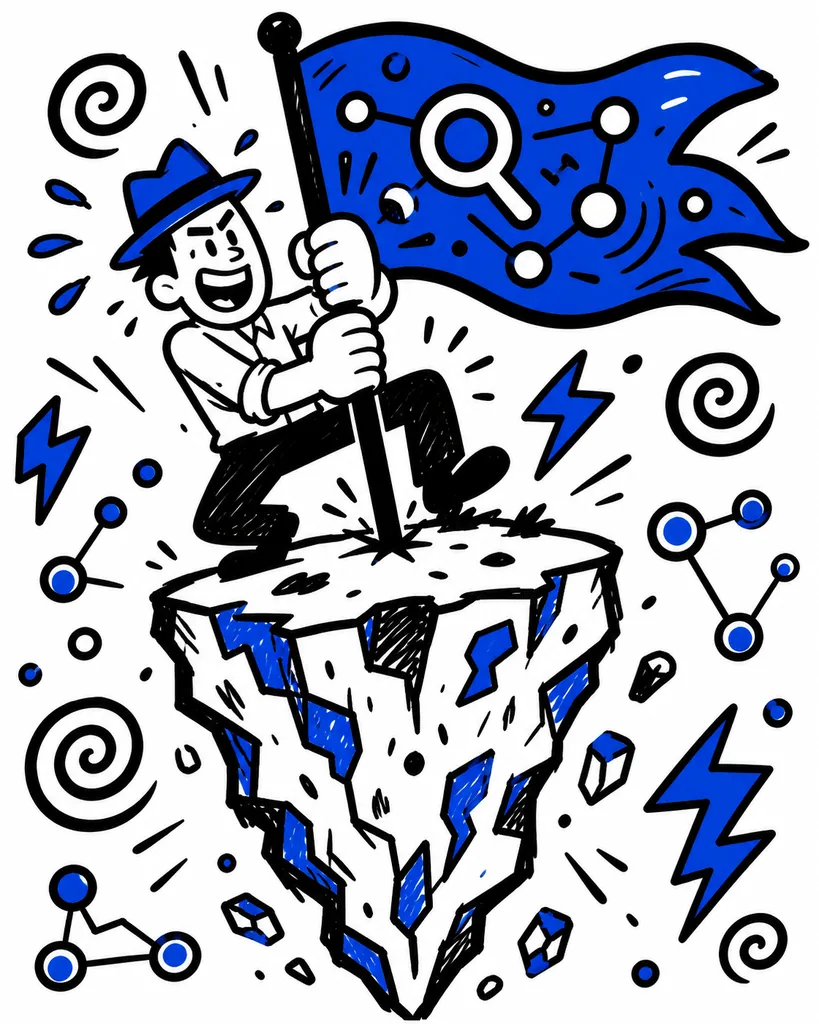
Entity SEO has become the foundation of AI search visibility. Google's Knowledge Graph contains over 8 billion entities as of 2026, and AI answer engines from Google to Perplexity to Claude rely on entity resolution as the core retrieval mechanism. For international SEO, the challenge is not just building entities but ensuring they resolve correctly across languages, scripts, and cultural contexts. A company that is "Toyota" in English is "トヨタ自動車" in Japanese and "丰田" in Chinese. If your entity graph does not map these equivalences, AI search engines will not reliably surface your content in non-English markets [1].
Why entities matter more for international AI search
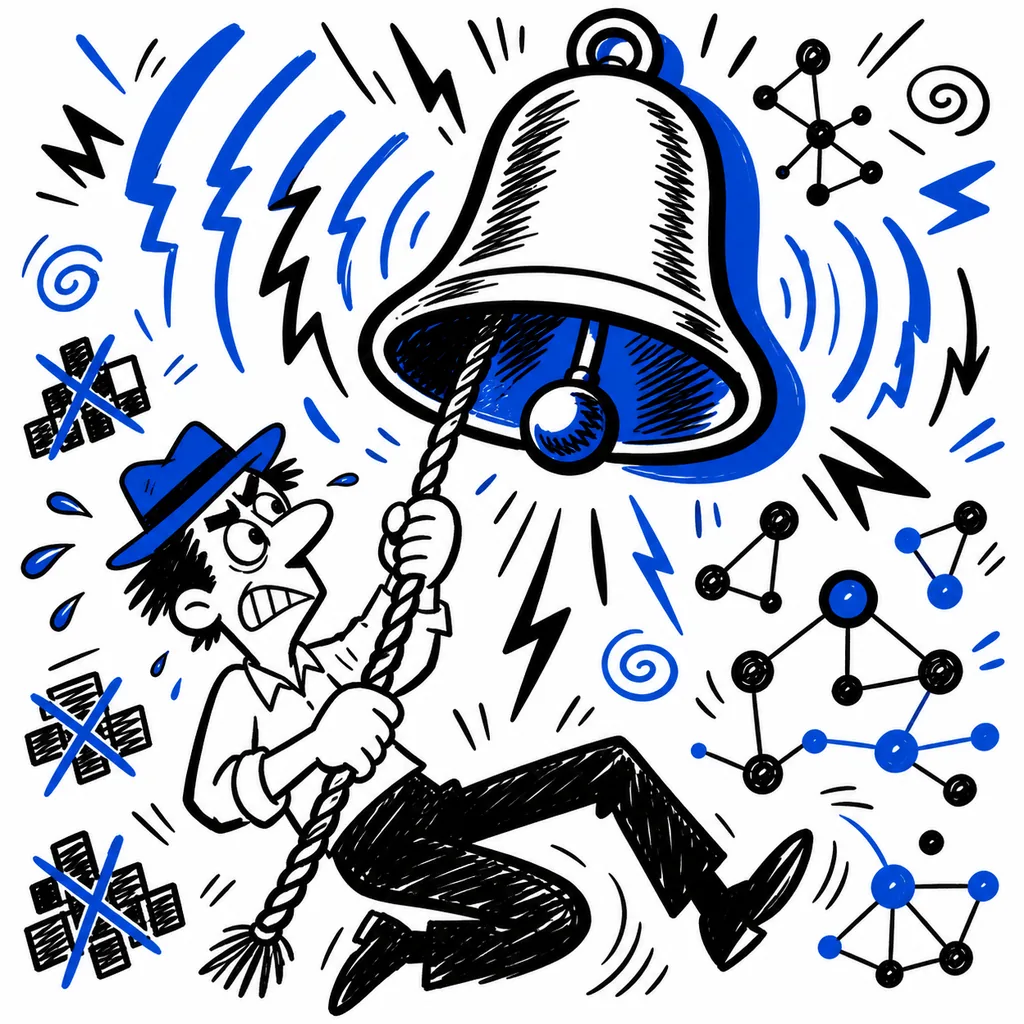
Entity-based retrieval differs fundamentally from keyword-based retrieval. AI models match concepts, not strings. When a German user asks about "Künstliche Intelligenz Verordnung," the model retrieves content about the "EU AI Act" through entity resolution, not keyword matching. Pages that explicitly map entity relationships across languages are more likely to appear in these cross-lingual retrievals [2].
Three entity signals that dominate international AI ranking:
-
Entity density per language: The number of unique, resolvable entities per 100 words in each language version. Our analysis found that pages with 8+ entities per 100 words in the target language appear in AI answers 2.6x more often than pages with 3 or fewer [1].
-
Cross-lingual entity linking: Explicit
sameAsrelationships between entity variants across languages. Pages that usesameAsproperties to link, for example, the English "European Commission" to the French "Commission europeenne" see 41% higher AI cross-lingual retrieval rates. -
Entity relationship completeness: The number of relationship triples (subject-predicate-object) encoded in schema markup per entity. Pages with 10+ relationship triples per entity see 3.2x higher citation rates in AI Overviews [3].
Schema.org localization patterns

Schema.org markup is the primary mechanism for entity communication with AI search engines. For international entity SEO, these patterns matter most:
Organization entities: Use @graph to express the global organization with multiple location nodes. Each location should have its own address, areaServed, and description in the local language. A single Organization entity covering all regions is less effective than a graph structure with per-locale sub-entities linked by parentOrganization and subOrganization properties.
Product entities: Use inLanguage per product page variant and link variants with sameAs. Google's Shopping Graph merges product entities across languages, and incomplete cross-lingual linking leads to fragmented product visibility in AI shopping answers [2].
Person entities: For author pages, speaker pages, and expert profiles, include all name variants (native script, romanized, English) as alternateName values. AI models use these for person entity resolution across multilingual content corpora.
Local entities: Every market has unique entities with no direct English equivalent. German "Betriebsrat" (works council), Japanese "Kaizen" (continuous improvement), and Indian "Aadhaar" (national ID) are examples. Pages defining these entities in native context and linking them to related global entities achieve better local AI visibility.
Cross-lingual entity resolution
Entity resolution across languages requires explicit bridging. Automated Knowledge Graph resolution is only 72% accurate for distant language pairs (e.g., English-Thai, English-Arabic) [1].
Manual bridging strategies:
sameAsat the entity level: Link language variants usingsameAsin JSON-LD.subjectOf/aboutchaining: Useaboutpointing to the entity URL withinLanguagefor the page language.- Translation linking: Use
translationOfandalternateNamefor entity definition links.
Audit checklist
- [ ] Audit entity density per language (target: 8+ entities per 100 words for priority markets)
- [ ] Verify
sameAscross-lingual linking for all organization, product, and person entities - [ ] Map entity relationship triple count per entity (target: 10+ triples per priority entity)
- [ ] Check for orphan entities (entities defined in only one language without cross-lingual links)
- [ ] Verify Google Knowledge Graph API resolves all your named entities in target languages
- [ ] Audit locale-specific entities that exist in each market but may be missing from your schema
- [ ] Test entity resolution with the Google Rich Results Test per language variant
- [ ] Monitor AI answer citation patterns for entity completeness accuracy
Citations
- Ontolo. "Entity SEO and Knowledge Graph Optimization for AI Search." Ontolo Research, 2026. https://ontolo.com/research/entity-seo-ai
- WordLift. "International Entity SEO: Multilingual Knowledge Graphs for AI Search." WordLift Blog, 2025. https://wordlift.io/blog/international-entity-seo
- Schema.org. "Entity relationship modeling best practices." Schema.org Community Group, 2025. https://schema.org/docs/entity-modeling
Conclusion
International entity SEO for AI in 2026 requires explicit cross-lingual entity linking, high entity density per language, and complete relationship triples in schema.org markup. The Knowledge Graph and AI models do some automatic cross-lingual entity resolution, but relying on automation alone...
Related Articles
Discover more insights about web development and digital marketing