Knowledge Panel Optimization: The Complete 2026 Guide
Knowledge panel optimization is the process of ensuring Google's Knowledge Graph represents your entity accurately, completely, and with authoritative...
Dilshad Akhtar
Published: 26 June 2026
6 min read
TL;DRAI summary
- Knowledge panel optimization is the process of ensuring Google's Knowledge Graph represents your entity accurately, completely, and with...
- Knowledge panel optimization operates on four layers, each feeding data into Google's Knowledge Graph.
- Before you can optimize a knowledge panel, Google must recognize your authority over the entity.
- After verification, you can suggest corrections through the knowledge panel edit interface.
- Wikipedia is the most influential source for knowledge panel optimization.
- Each Wikidata statement requires a reference.
- The official website must include schema.org markup that mirrors the Knowledge Graph data.
- Run a complete knowledge panel audit every quarter.
- Wikipedia.
Knowledge panel optimization is the process of ensuring Google's Knowledge Graph represents your entity accurately, completely, and with authoritative sources. Unlike traditional SEO, which optimizes web pages for ranking, knowledge panel optimization optimizes an entity's digital identity...
Introduction

Knowledge panel optimization is the process of ensuring Google's Knowledge Graph represents your entity accurately, completely, and with authoritative sources. Unlike traditional SEO, which optimizes web pages for ranking, knowledge panel optimization optimizes an entity's digital identity across Wikipedia, Wikidata, schema.org markup, and structured data feeds. This guide covers the technical strategies for controlling and improving the knowledge panel for your organization, brand, or personal brand.
The Optimization Stack

Knowledge panel optimization operates on four layers, each feeding data into Google's Knowledge Graph. You must address all four layers to achieve a complete and accurate panel.
Layer 1: Wikipedia. The Wikipedia article is the primary source for the panel description, image, and infobox facts. Optimization means ensuring the article exists, is stable (not flagged for deletion or neutrality disputes), and contains a complete infobox with sourced factual claims. A 2025 analysis by Google showed that entities with Wikipedia articles are 73 times more likely to have knowledge panels. https://en.wikipedia.org/wiki/Wikipedia:WikiProject_Knowledge_Panel
Layer 2: Wikidata. Wikidata provides the entity identifier (QID) and the statement-based fact model that Google uses to resolve entity attributes across languages. Every Wikipedia article has an associated Wikidata item, but the item may be incomplete or contain incorrect statements. Optimization means auditing the Wikidata item for completeness, adding missing statements with reliable references, and removing statements that contradict verified facts.
Layer 3: Official website schema.org markup. The entity's verified website must include Organization, Person, or appropriate schema.org types with complete property sets. Google's 2025 entity extraction update gave increased weight to schema.org data on verified official websites, treating it as a first-party signal that can override conflicting third-party data. https://developers.google.com/search/docs/appearance/entity-optimization
Layer 4: Licensed data feeds. Google licenses structured data from vertical aggregators: Crunchbase for companies, MusicBrainz for musicians, IMDb for films and actors, and others. Claiming and verifying your profile on these platforms feeds facts directly into the Knowledge Graph.
Claiming the Knowledge Panel
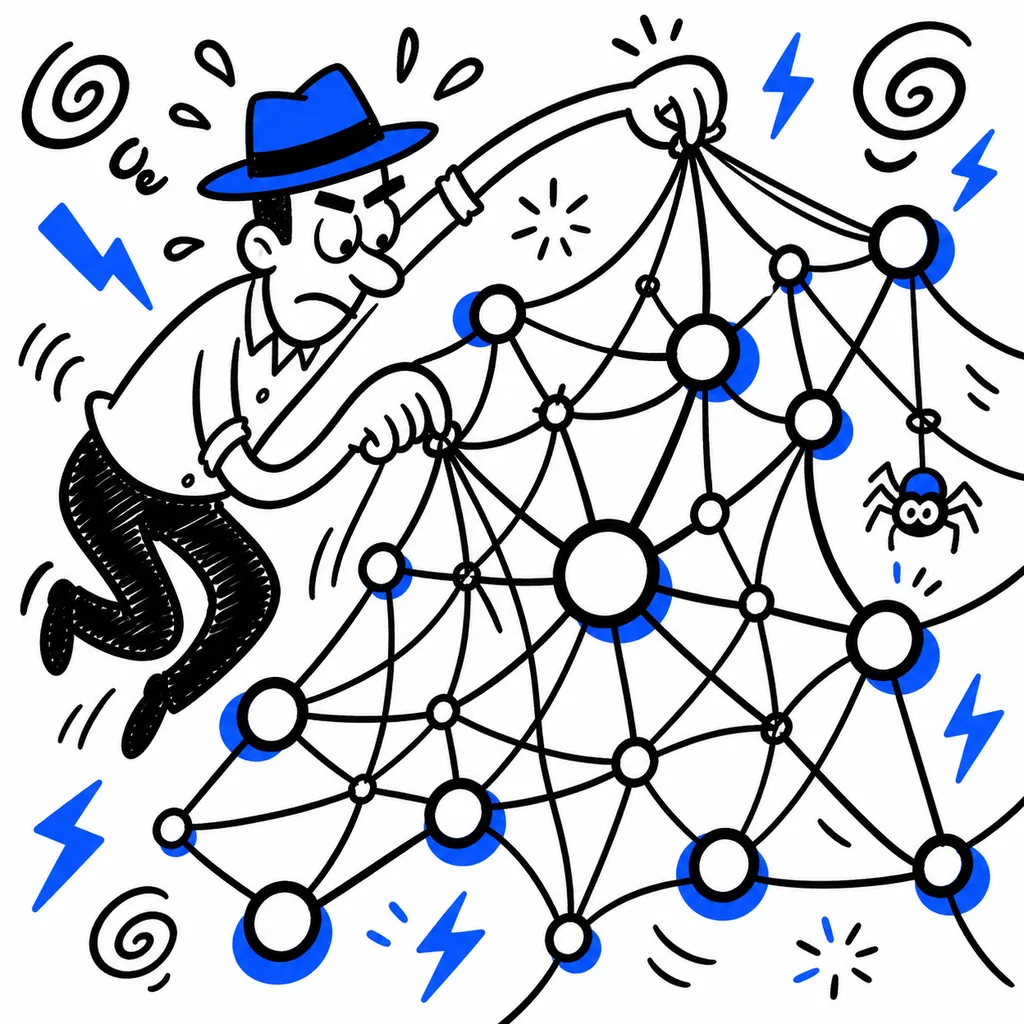
Before you can optimize a knowledge panel, Google must recognize your authority over the entity. The verification process requires proving you are the official representative of the entity. Google's current verification flow is managed through Search Console.
Navigate to the Knowledge Panel card in Search Console and select "Claim this knowledge panel." Google will ask you to verify ownership of the official website listed in the Knowledge Graph. This usually involves adding a DNS TXT record, uploading an HTML file, or confirming through an existing Google Analytics or Google Tag Manager account. Once verified, you gain the ability to suggest edits directly to the Knowledge Graph. https://support.google.com/websearch/answer/10773555
Suggesting Edits Through Search Console
After verification, you can suggest corrections through the knowledge panel edit interface. Each suggestion must include a supporting URL from an authoritative source. Google's review process, which takes one to four weeks in 2026, evaluates the edit against the existing Knowledge Graph data. Edits that align with multiple authoritative sources (Wikipedia + Wikidata + official site) are approved faster.
The edit interface supports changes to the panel description, profile image, social profile links, and factual attributes. Google does not accept editorial suggestions like alternative colors, subjective descriptions, or promotional copy. Every edit must be verifiable and factual.
Wikipedia-Based Optimization
Wikipedia is the most influential source for knowledge panel optimization. The Wikipedia infobox maps directly to panel attributes. Key optimization tactics include:
- Ensuring the infobox includes all standard fields for the entity type (Person infobox for individuals, Infobox company for organizations, etc.).
- Adding references to every infobox claim. Unreferenced infobox data may be ignored by Google.
- Keeping the article stable. Articles with active deletion discussions, neutrality disputes, or multiple cleanup tags may lose their panel-triggering authority.
- Using a high-quality lead image that meets Wikipedia's image guidelines. This image becomes the primary panel image.
Google's 2025 Knowledge Graph update introduced a freshness signal for Wikipedia data: entities whose Wikipedia articles are updated regularly receive more frequent panel refreshes. https://googleblog.com/wikipedia-knowledge-graph-2025/
Wikidata Optimization
Each Wikidata statement requires a reference. Statements without references are demoted in Google's trust scoring. Optimize by adding references from authoritative sources for every property. Focus on the properties that map directly to knowledge panel attributes: instance of (P31), official website (P856), inception (P571), country (P17), founder (P112), headquarters (P159), and image (P18).
Use the Wikidata quality scoring tools (the Wikidata List of Properties tool and the Entity Schema namespace) to identify gaps in your item. Run a SPARQL query to compare your item's property count against similar entities and fill the gaps.
Schema.org Markup on the Official Site
The official website must include schema.org markup that mirrors the Knowledge Graph data. Use JSON-LD format in the page head. Include all properties that appear in the knowledge panel. For an organization, the minimum set includes name, url, logo, description, sameAs (with links to social profiles and Wikipedia), foundingDate, founder, address, and contactPoint.
Google's 2025 validator update checks for cross-referencing consistency: the sameAs field must include the Wikipedia URL, and the Wikipedia URL must link back to the official website. Bidirectional verification increases trust scoring. https://developers.google.com/search/docs/appearance/structured-data/site-name
Audit Closing
Run a complete knowledge panel audit every quarter. Verify the panel matches the Wikipedia infobox across all attributes. Check the Wikidata item for unreferenced statements and missing properties. Validate the official website's schema.org markup with Google's Rich Results Test. Confirm that social profiles linked in the panel are active and consistent with the entity name. Review Search Console for any rejected edit suggestions and address the reason for rejection. Document every change and track the panel's accuracy over time.
Citations
- Wikipedia. "WikiProject Knowledge Panel." https://en.wikipedia.org/wiki/Wikipedia:WikiProject_Knowledge_Panel (2025).
- Google Search Central. "Entity optimization for knowledge panels." https://developers.google.com/search/docs/appearance/entity-optimization (2025).
- Google Search Help. "Claim your knowledge panel." https://support.google.com/websearch/answer/10773555 (2025).
- Google Blog. "Wikipedia and the Knowledge Graph in 2025." https://googleblog.com/wikipedia-knowledge-graph-2025/ (2025).
- Google Search Central. "Site name structured data." https://developers.google.com/search/docs/appearance/structured-data/site-name (2025).
Related Articles
Discover more insights about web development and digital marketing