Link equity PageRank flow: The Complete 2026 Guide
Link equity is the value passed from one page to another through hyperlinks. It is the foundation of Google's PageRank algorithm. Understanding how link...
Dilshad Akhtar
Published: 2 July 2026
3 min read
TL;DRAI summary
- Link equity is the transfer of authority and ranking power from one web page to another.
- PageRank flows through links on a probabilistic model.
- Several factors influence how much equity passes through a link.
- Nofollow links stop equity flow entirely.
- Link equity does not only flow between domains.
- Google has updated PageRank many times since its original paper.
- A dangling link points to a page that has no inbound links.
- Link equity decays over time.
- Audit your link equity flow quarterly.
Link equity is the value passed from one page to another through hyperlinks. It is the foundation of Google's PageRank algorithm. Understanding how link equity flows helps you build links that actually move rankings.
What is link equity
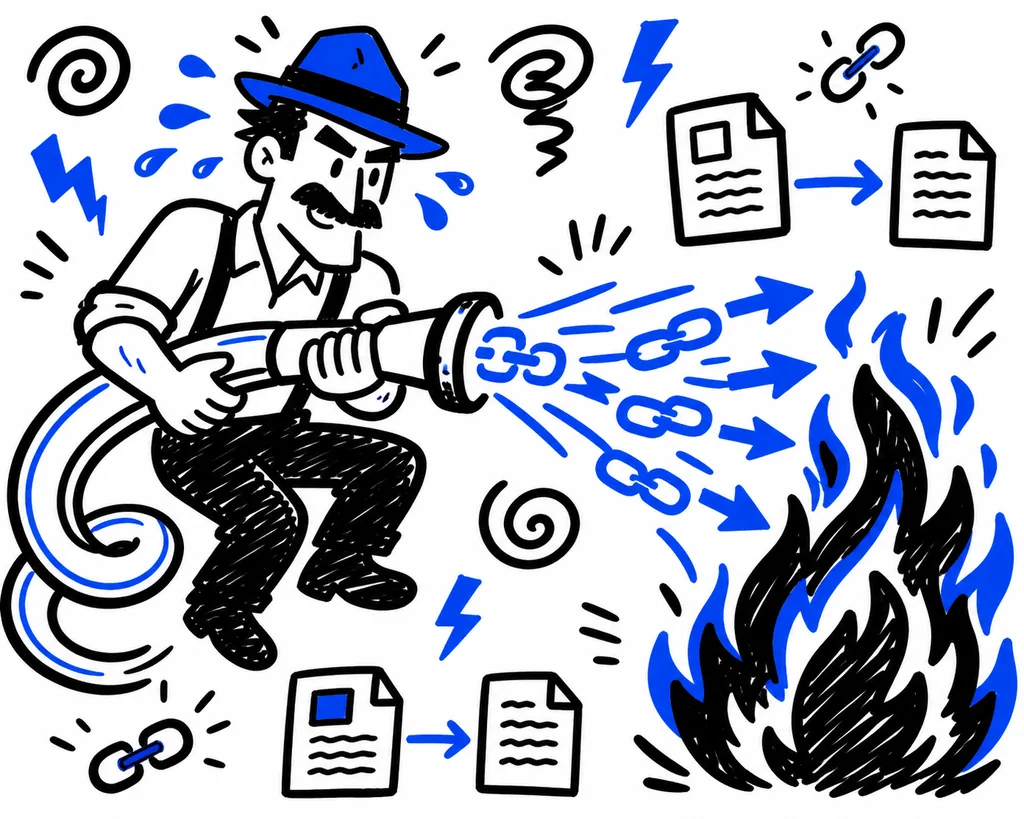
Link equity is the transfer of authority and ranking power from one web page to another. When Page A links to Page B, some of Page A's authority transfers to Page B. This transfer is not a fixed amount. It depends on multiple factors.
Google's original PageRank algorithm calculated this flow mathematically. Modern versions still use equity flow as a core signal. The original PageRank paper explains the foundational formula for link equity distribution (https://www.cs.princeton.edu/~chazelle/courses/BIB/pagerank.htm).
How PageRank flows

PageRank flows through links on a probabilistic model. Each link on a page receives a portion of that page's total equity. The more outbound links a page has, the less equity passes through each individual link.
A page with PageRank 5 and 10 outbound links passes more equity per link than a page with PageRank 5 and 100 outbound links. Link dilution is real and measurable.
Factors that affect equity transfer

Several factors influence how much equity passes through a link. Page-level authority is the primary factor. A high-authority page passes more equity regardless of domain.
Link placement matters. Links in the main content pass more equity than sidebar or footer links. Google's algorithm weighs prominent links higher. Google's ranking system guide confirms that content prominence is a quality signal (https://developers.google.com/search/docs/appearance/ranking-system-guide).
The nofollow impact
Nofollow links stop equity flow entirely. When a page uses rel=nofollow on a link, that link does not transfer PageRank. The equity that would have passed through that link is lost.
Pages with a high percentage of nofollow outbound links retain more of their equity. But they provide less value to the pages they link to.
Internal link equity flow
Link equity does not only flow between domains. Internal links distribute equity throughout your own site. A strong homepage passes equity to category pages, which then passes equity to product pages.
Smart internal linking structures maximize equity distribution. Pages that need ranking power should receive more internal links from high-authority pages on your domain. Ahrefs has detailed research on how internal link equity flows affect rankings (https://ahrefs.com/blog/internal-links-for-seo/).
The PageRank algorithm updates
Google has updated PageRank many times since its original paper. The current algorithm includes machine learning components. It evaluates link quality beyond simple counting.
Google's 2024 and 2025 updates have focused on topical relevance in equity flow. Links between pages on the same topic pass more value than cross-topic links.
Dangling links and orphan pages
A dangling link points to a page that has no inbound links. These links still pass equity to the target page. Orphan pages (pages with no inbound links) receive no equity flow at all.
Every page on your site should receive at least one internal link. This ensures equity can flow to it and Google can discover it.
Link equity decay
Link equity decays over time. An old link from a page that no longer exists or has lost authority passes less equity. Link maintenance is an ongoing process.
Remove or update links from pages that have lost their authority. Replace them with fresh links from current, active pages. Moz's guide to link equity confirms that link value is not permanent (https://moz.com/learn/seo/link-equity).
The link equity audit
Audit your link equity flow quarterly. Map your top pages and trace which links feed them equity. Identify pages with high authority that have no outbound equity flowing to your important content. Note the gap between your equity distribution and your competitors'. Strengthen internal links to pages that need ranking boosts. Audit quarterly.
Related Articles
Discover more insights about web development and digital marketing