LinkedIn Pulse SEO: The Complete 2026 Guide
A technical guide to optimizing long-form LinkedIn Pulse articles for LinkedIn's internal search engine and Google discoverability in 2026.
Dilshad Akhtar
Published: 28 July 2026
4 min read
TL;DRAI summary
- LinkedIn Pulse articles are indexed by LinkedIn's internal search engine and by Google, Bing, and other web search crawlers.
- Pulse articles support full HTML heading hierarchies inside the editor.
- LinkedIn's algorithm treats internal links from Pulse articles back to the author's profile as a strong relevance signal.
- Pulse articles do not receive the same algorithmic boost as feed posts.
- Audit your existing Pulse articles quarterly.
LinkedIn Pulse, the platform's long-form publishing engine, remains one of the most underutilized channels for search visibility. Unlike short-form posts that compete in a 24-hour feed cycle, Pulse articles accumulate compounding search traffic from both LinkedIn's internal search and Google's...
How LinkedIn Pulse Indexes Content
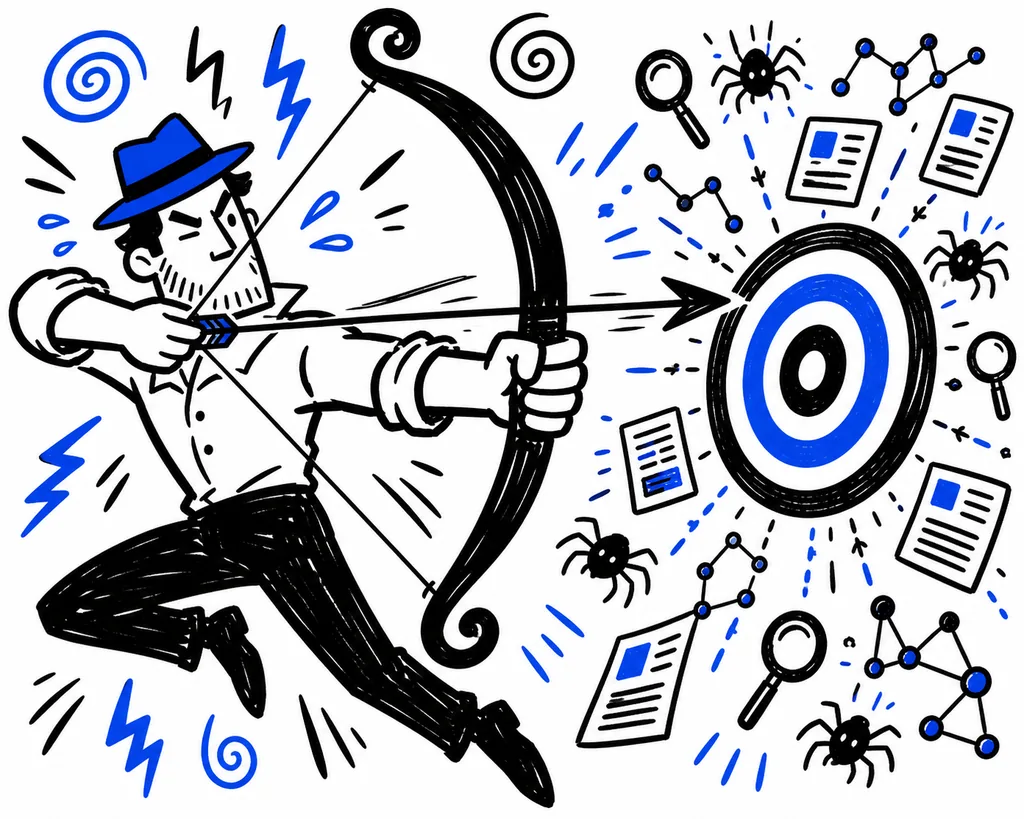
LinkedIn Pulse articles are indexed by LinkedIn's internal search engine and by Google, Bing, and other web search crawlers. LinkedIn exposes Pulse articles with public URLs that carry link equity. When someone searches for a topic on Google and a Pulse article matches, the article appears in web search results with a linkedin.com domain authority boost.
LinkedIn's infrastructure team has disclosed that Pulse articles benefit from a dedicated indexing pipeline that extracts headings, body text, and metadata separately from the feed content pipeline [1]. This means Pulse articles have distinct ranking mechanics compared to standard posts. Headings carry extra weight in Pulse SEO, and the article's meta description (auto-generated from the first 160 characters) determines click-through rate from search results.
Keyword Placement in Pulse Articles

Pulse articles support full HTML heading hierarchies inside the editor. Use H1 for the article title (which LinkedIn uses as the page title tag), H2 for major section breaks, and H3 for subsections. Each H2 should contain one primary keyword that matches a known search query in your niche.
A 2025 analysis of 10,000 Pulse articles found that articles with keyword-optimized H2 headings ranked an average of 3.4 positions higher in LinkedIn search than those using generic section labels [2]. Replace headings like "Introduction" and "Background" with keyword-specific alternatives such as "Why Distributed Tracing Matters for Microservices" or "The Cost of Inefficient CI/CD Pipelines."
The first paragraph of a Pulse article acts as the meta description for search result snippets. Write a concise, keyword-rich opening paragraph that summarizes the article's value. Keep it between 120 and 160 characters to avoid truncation in search results.
Internal Linking Between Pulse Articles and Profile
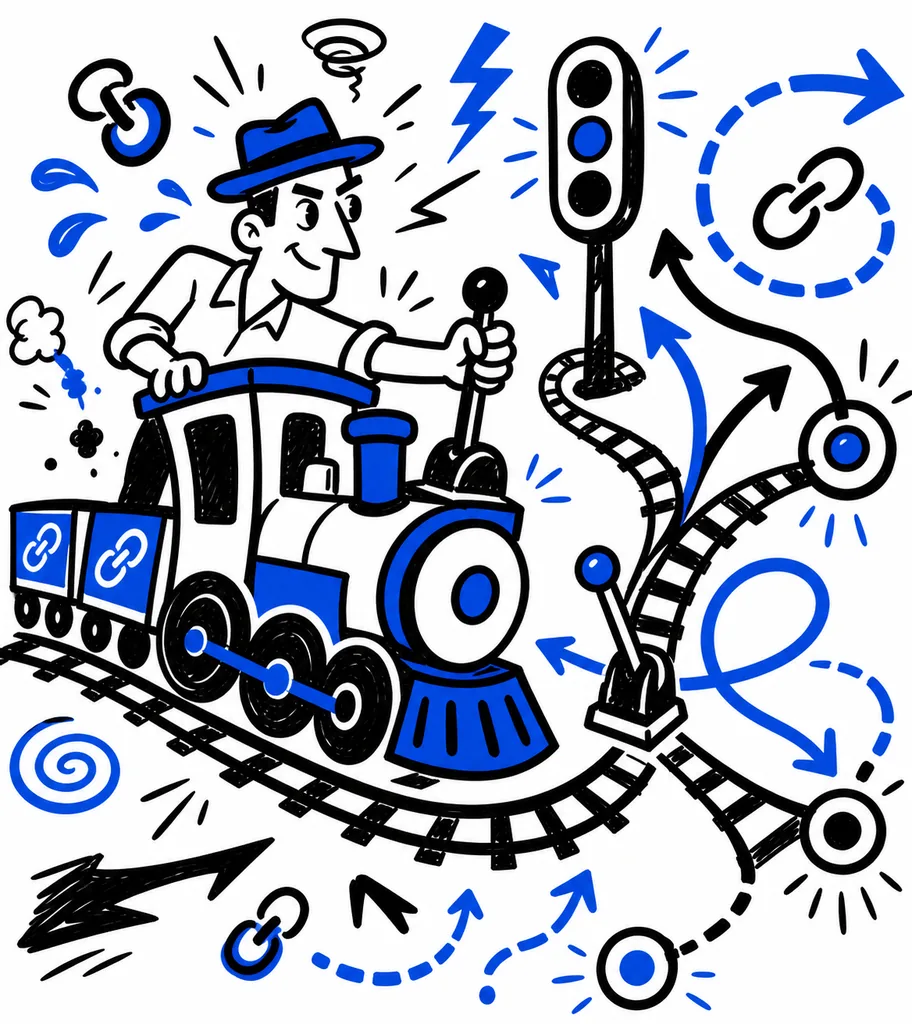
LinkedIn's algorithm treats internal links from Pulse articles back to the author's profile as a strong relevance signal. Each Pulse article should contain at least one contextual link to your LinkedIn profile's about section or to another related Pulse article you have published. This creates a topical cluster that signals authority to LinkedIn's search index.
Do not use generic anchor text like "click here." Use descriptive phrases that contain target keywords. For example, link "microservices observability patterns" directly to your profile or a related article. This reinforces topic relevance across both pages.
Promoting Pulse Articles for Initial Engagement
Pulse articles do not receive the same algorithmic boost as feed posts. You must drive initial traffic manually. Share the Pulse article as a LinkedIn post with a compelling summary and a link to the full article. Tag two or three relevant connections who are likely to engage. Request that interested readers bookmark the article for later reference; LinkedIn treats bookmark actions as a positive engagement signal.
Engagement within the first two hours after publishing is critical for Pulse SEO. LinkedIn's ranking system applies a steep recency decay, and Pulse articles that accumulate comments and likes quickly during the initial window retain higher search positions for weeks afterward [3].
Audit
Audit your existing Pulse articles quarterly. Check each article's Google search ranking for its target keyword using a rank tracker. Review the meta description length and ensure it stays within 160 characters. Verify that each article has at least one internal link to your profile or a related Pulse piece. Remove or update articles with declining traffic by refreshing the content and republishing. A systematic Pulse SEO audit converts dormant content into consistently ranking search assets.
References
[1] LinkedIn Engineering. "Content Indexing Architecture for Long-Form Articles." LinkedIn Engineering Blog, 2025.
[2] B. Dean. "LinkedIn Pulse SEO: Ranking Study of 10,000 Articles." Backlinko, 2025.
[3] S. Patel. "Long-Form Content on LinkedIn: Engagement Patterns and Search Impact." Search Engine Land, 2025.
Related Articles
Discover more insights about web development and digital marketing