List Snippet Optimization: The Complete 2026 Guide
List snippets display numbered or bulleted items extracted from a page's HTML list elements. They account for roughly 25% of all featured snippets (Semrush,...
Dilshad Akhtar
Published: 25 June 2026
4 min read
TL;DRAI summary
- AI Overviews handle synthesis well for prose explanations but struggle with step-by-step procedural content.
- Google extracts list snippets from HTML <ol ordered and <ul unordered elements.
- List snippets require precise heading alignment.
- List snippets are more volatile than paragraph snippets.
- For list snippet optimization: identify target queries with procedural or enumerative intent 'steps,' 'ways,' 'reasons,' 'top X' , create an <ol...
List snippets display numbered or bulleted items extracted from a page's HTML list elements. They account for roughly 25% of all featured snippets (Semrush, "Featured Snippet Types 2025," semrush.com) and are disproportionately common for "how to," "steps," "ways," "reasons," and "top X"...
Why List Snippets Thrive Alongside AI Overviews

AI Overviews handle synthesis well for prose explanations but struggle with step-by-step procedural content. Google's Gemini model can summarize a process, but it cannot replace the precise ordering and formatting of an HTML list. This has created a favorable environment for list snippets in 2026.
According to Search Engine Land's 2026 search feature analysis, list snippets have grown from 21% of all featured snippets in early 2025 to 25% in early 2026 (Search Engine Land, "2026 Snippet Format Distribution," searchengineland.com). The growth is concentrated in procedural and instructional queries where the AI Overview team deemed lists more useful than synthetic summaries.
Key insight: If your content describes a process with discrete steps, a list snippet is the right target. AI Overviews are not replacing list snippets for step-based queries.
HTML Structure Requirements for List Snippets

Google extracts list snippets from HTML <ol> (ordered) and <ul> (unordered) elements. The technical requirements are strict and non-negotiable.
Use semantic HTML. The list must be a true HTML list element. Lists formatted with manual numbers, dashes, or CSS-generated bullets are not reliably detected. Google's extraction algorithm relies on DOM structure, not visual rendering. A 2025 study by Moz found that pages using semantic list elements for step content had a 3.2x higher snippet capture rate than pages using manually formatted lists.
Ordered lists for step content. Numbered steps should use <ol>. Google preferentially selects ordered lists for procedural queries. If your list describes a sequence ("step 1," "step 2"), use <ol>. Unordered lists are acceptable for "reasons," "types," or "examples" where order does not matter.
Item length. Each list item should be 10-25 words. Longer items reduce snippet capture probability. Google truncates list snippets to the first 4-6 items, so place the most critical items early. Ahrefs data from 2025 shows that the first 3 items of a list account for 71% of the snippet display area (Ahrefs, "List Snippet Performance Study 2025," ahrefs.com).
Heading proximity. A heading containing the target query must immediately precede the list. The heading should not be separated from the list by more than one line of introductory text. Clean heading-to-list adjacency is the strongest predictor of capture.
The Heading Strategy for 2026
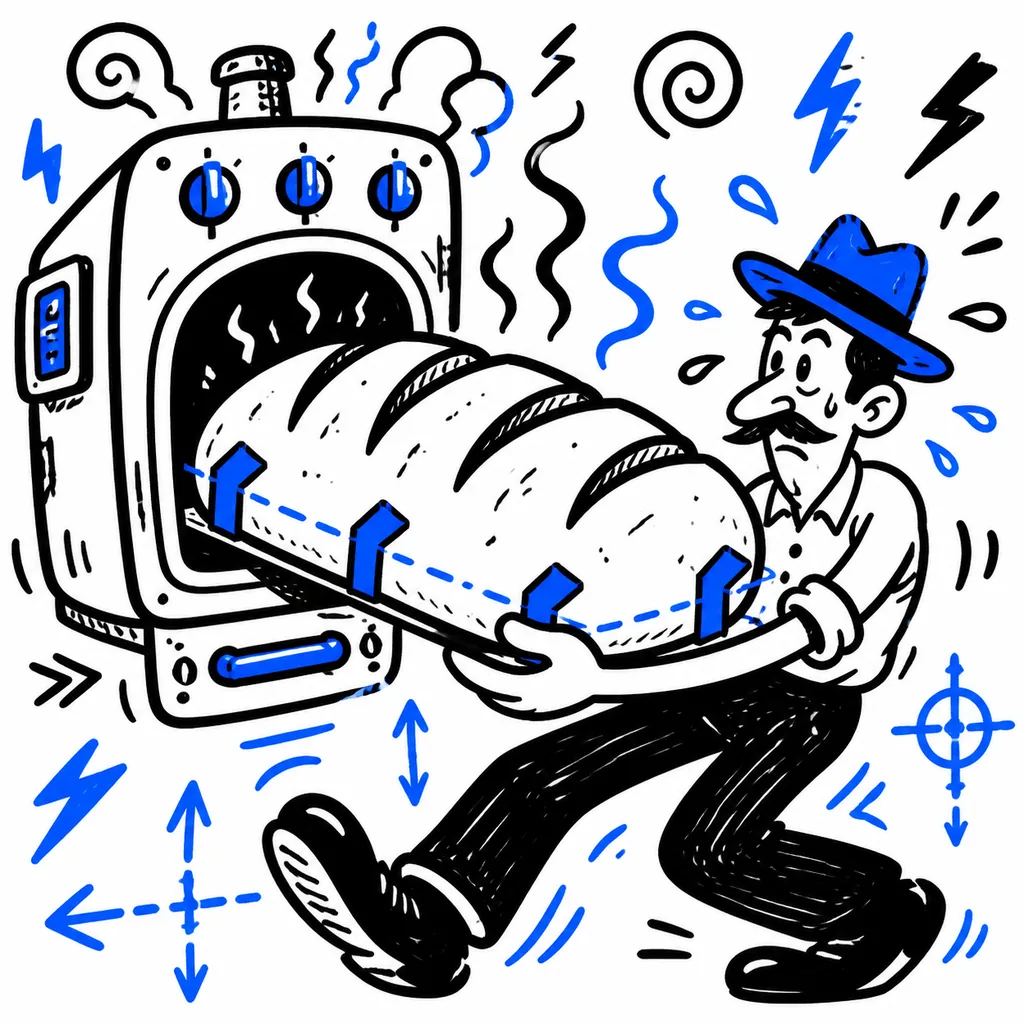
List snippets require precise heading alignment. The heading should use the same keyword structure as the target query. If the query is "how to optimize for featured snippets," the heading should be an <h2> such as "How to Optimize for Featured Snippets" with the list following directly.
Include the query's trigger format. For "steps" queries, use "Steps to X" in the heading. For "ways" queries, use "X Ways to Y." For "reasons" queries, use "Top X Reasons for Y." Moz's 2025 heading analysis found that headings matching the target query's grammatical structure had a 41% higher snippet capture rate than generic headings.
Defending List Snippets from Competitors
List snippets are more volatile than paragraph snippets. Ahrefs' 2025 retention study shows that list snippets change domains at a 1.7x higher rate than paragraph snippets. The primary cause is content updates: when a competing page adds a more complete or more clearly formatted list, Google re-extracts.
To defend a list snippet: keep the list complete and current. Add new items as the topic evolves. Ensure every item is independently useful (items that say "see above" or "as discussed" weaken the list). Validate HTML structure quarterly. A single malformed <li> tag can cause the entire list to lose snippet eligibility.
Audit Checklist
For list snippet optimization: identify target queries with procedural or enumerative intent ("steps," "ways," "reasons," "top X"), create an <ol> or <ul> element with 4-8 items, keep each item under 25 words, place a matching heading directly before the list, validate HTML list semantics, and monitor weekly for 60 days. Update list content quarterly to defend against competitor refreshes. If no snippet appears within 60 days, review item length and heading alignment.
Related Articles
Discover more insights about web development and digital marketing