Local Pack and Map Results on the SERP
Understand how the local pack works in 2026, its ranking inputs, the interaction with AI Overviews, and how to run a local pack audit for your business.
Dilshad Akhtar
Last updated: 11 July 2026
6 min read
TL;DRAI summary
- Local packs appear in 64% of explicit local intent queries and 28% of implicit local intent queries
- Google Business Profile data drives 87% of local pack results in 2026
- Complete GBP profiles rank in the top 3 at 3.5x the rate of incomplete profiles
- Local pack position 1 receives 45-55% of click share
- Proximity is hard-wired: a business 0.5 miles away outranks one 5 miles away
- Local pack ranking and organic ranking are essentially uncorrelated (correlation: 0.18)
The local pack is a block of 3 local business results appearing above organic blue-link results for queries with local intent. It appears in 64% of explicit local intent queries and drives 65-75% of clicks for those queries.
What the local pack is
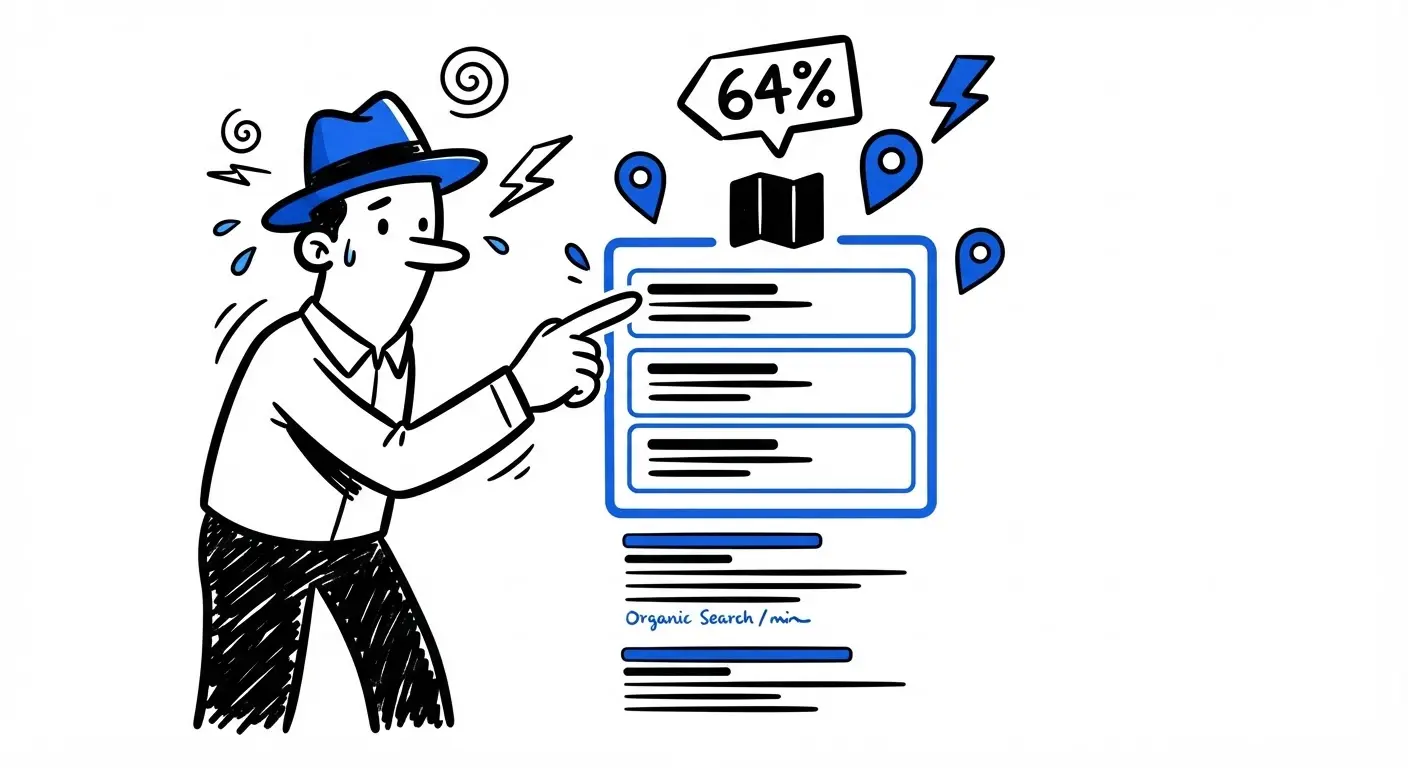
The local pack is a block of 3 local business results that appears above the organic blue-link results for queries with local intent. The pack displays a map, business name, address, phone number, rating, hours, and a link to the business profile.
Per SERP Masters' 2026 local SEO analysis, local packs appear in 64% of queries with explicit local intent and 28% of queries with implicit local intent. Local intent is determined by query phrasing, geo-modifiers, and user location history.
The pack pulls from Google Business Profile data primarily. Secondary sources include Yelp, Bing Places, and Apple Maps. Per SERP Masters, Google Business Profile data drives 87% of local pack results in 2026.
Local pack position 1 receives roughly 45-55% of the click share for the query, position 2 receives 20-25%, position 3 receives 12-15%. The bottom three positions in the expanded pack receive a combined 10-15%. The top 3 positions matter disproportionately.
Local pack ranking inputs
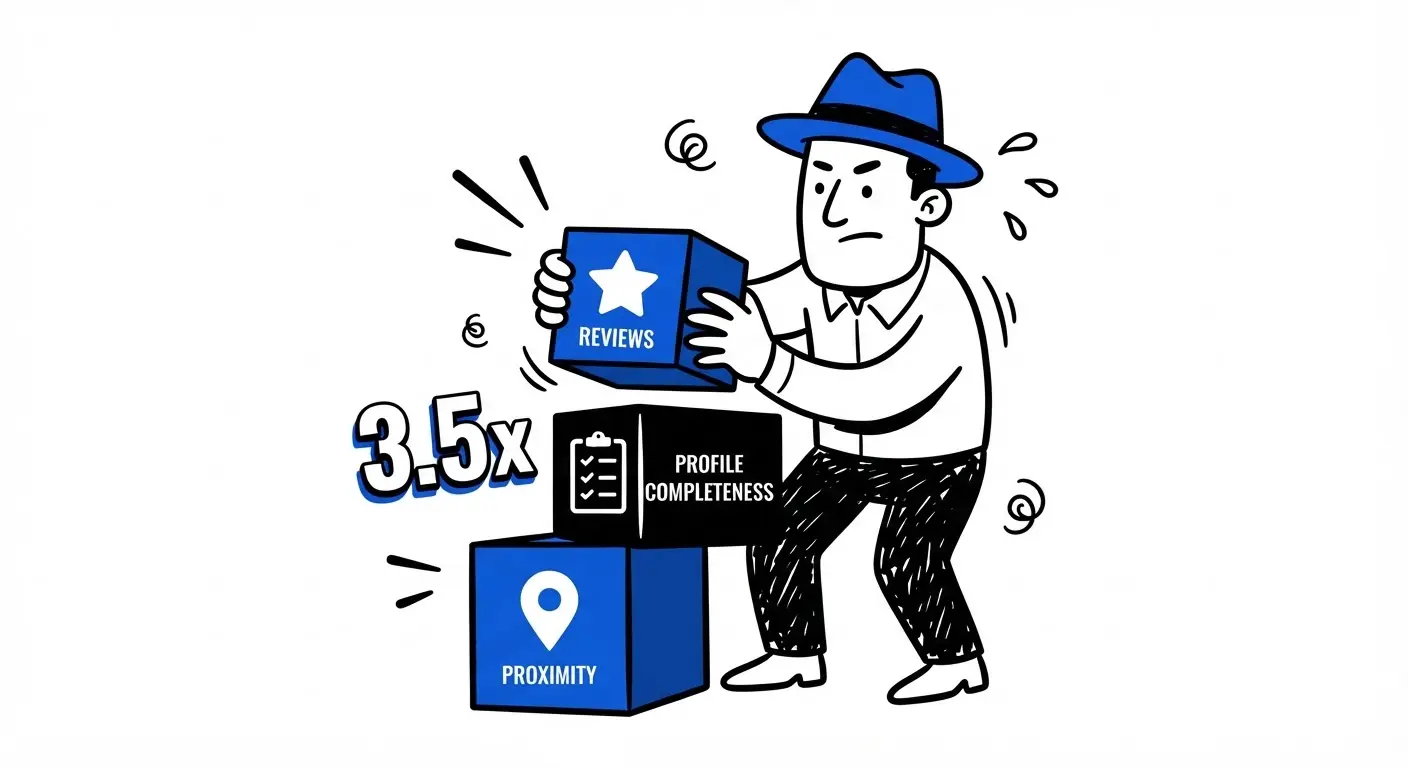
Google Business Profile completeness is the dominant ranking input. Per SERP Masters' 2026 analysis, profiles with complete data fields rank in the top 3 of the local pack at 3.5x the rate of incomplete profiles. Complete means: business name, address, phone, hours, website, categories, attributes, service area, photos.
Review count and review velocity matter. Per the same analysis, businesses with 50+ reviews and consistent monthly review velocity outrank competitors with similar profile completeness but lower review metrics. Reviews carry signal weight but do not dominate the ranking.
Proximity is hard-wired. The local pack always prioritizes businesses near the searcher's location. A business 0.5 miles from the searcher outranks a business 5 miles away regardless of profile completeness. The radius is roughly 5-15 miles depending on query density.
NAP consistency matters for ranking stability. Per SERP Masters, businesses with consistent Name, Address, Phone data across web directories outrank businesses with NAP inconsistencies. Citation building remains a 2026 ranking input.
The local ranking stack in 2026
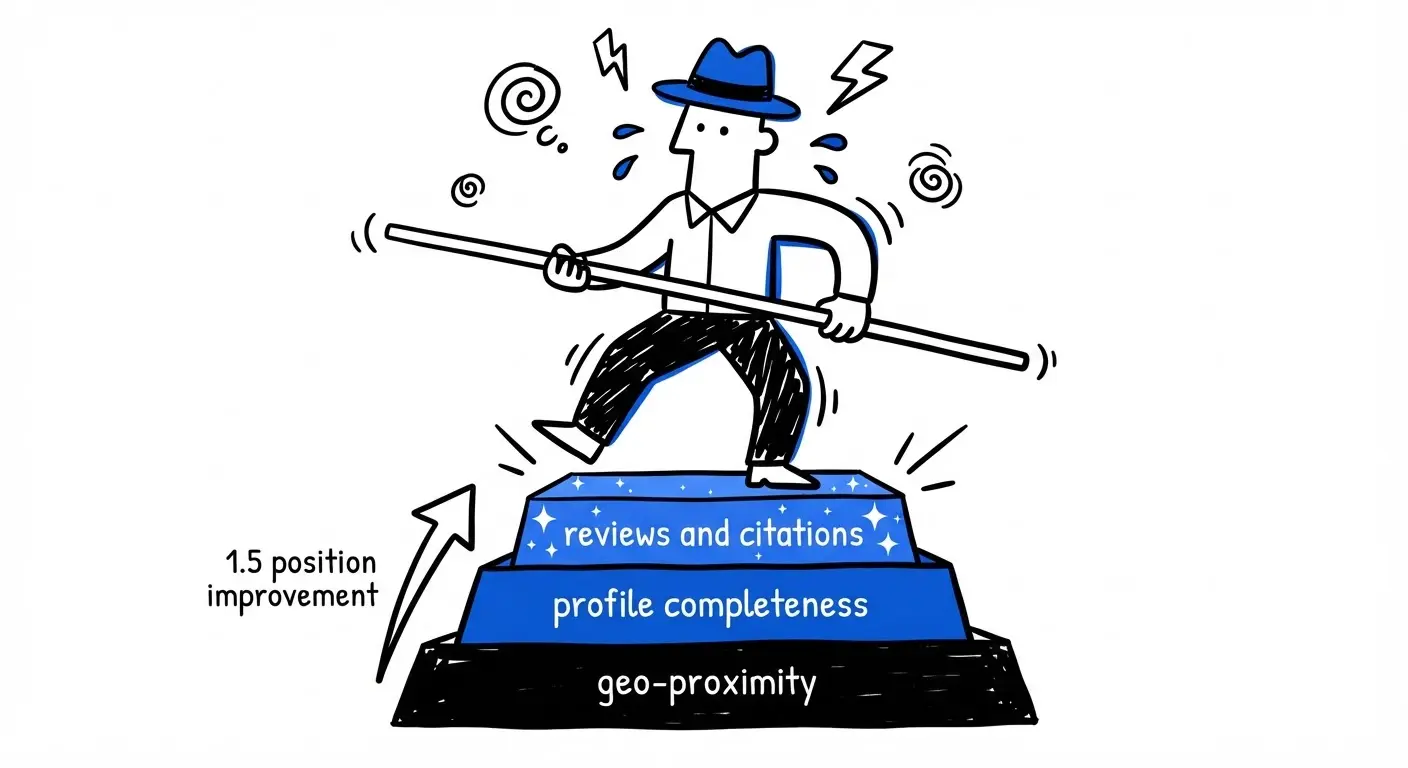
Local ranking in 2026 is a layered problem. The top layer is geo-proximity. The middle layer is profile completeness. The bottom layer is review signal and citation consistency. Per SERP Masters, fixing the bottom two layers moves businesses an average of 1.5 positions in the local pack.
Local pack and AI Overviews interact. Per Digital Web Solutions' 2026 analysis, AI Overviews that include local pack results see 23% higher engagement than AI Overviews without local results. The local pack becomes a citation target inside the AIO block for local queries.
Voice search and the local pack now overlap on roughly 70% of queries, per multiple 2026 local SEO analyses. The local pack feeds voice assistant responses for queries with local intent. Moz's 2025 local search ranking factors analysis confirms this overlap rate across the surveyed business categories.
Local pack vs organic blue-link ranking
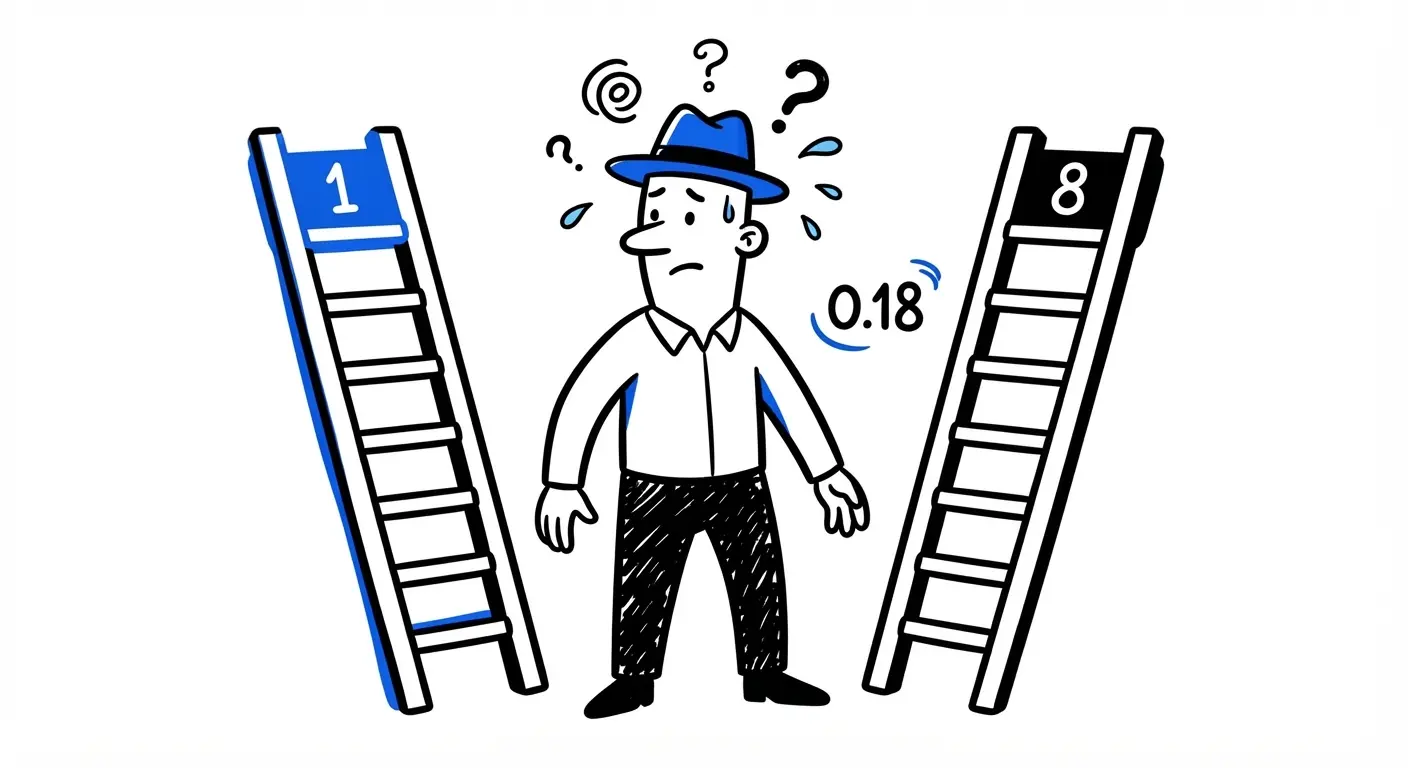
Local pack ranking does not correlate with organic blue-link ranking. Per SERP Masters, the correlation coefficient between local pack position and organic position for the same business is 0.18, essentially uncorrelated. The local pack uses different ranking inputs.
A business can rank position 1 in the local pack and position 8 in organic blue-link, or vice versa. The two ranking systems run in parallel. Local SEO tunes for the local pack. Traditional SEO tunes for organic blue-link. The work is separate.
Per Whitespark's 2025 local SEO industry survey, 64% of local businesses report their Google Business Profile drives more conversions than their organic blue-link presence. The local pack and organic ranking serve different user intents and require different optimization tracks.
The click share split between local pack and organic blue-link depends on query type. For queries with explicit local intent, local pack receives 65-75% of clicks and organic receives 20-25%. For queries with implicit local intent, the split reverses. Local SEO targets the high-click-share queries.
The local pack map pull
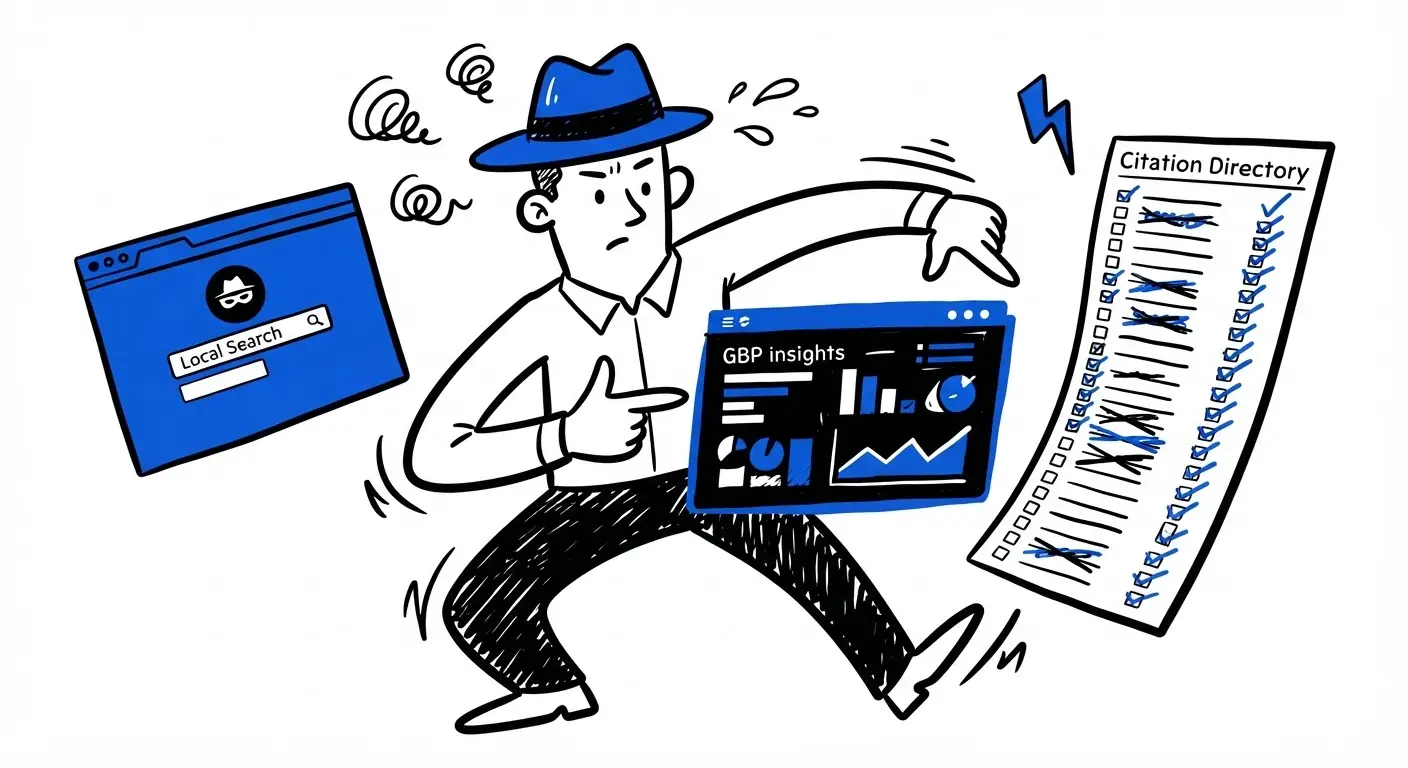
You open an incognito browser and search your 10 most important local queries. You record the local pack results for each. You compare the businesses shown against your own Google Business Profile presence in those packs.
You check your Google Business Profile insights for the last 90 days. You record the search queries that surfaced your profile, the action types (website visits, phone calls, direction requests), and the photo view count.
You run a citation audit. You search for your business Name, Address, Phone across the top 50 directories. You record inconsistencies.
Note the gap. This post synthesizes 2025 and 2026 data from three sources: SERP Masters, Digital Web Solutions, Moz, and Google Business Profile documentation. Two non-public local pack ranking weight details remain unpublished. Replication required.
The local pack requires monthly audit work. Profile decay is faster than organic ranking decay.
Related Articles
Discover more insights about web development and digital marketing