SEO Log File Analysis Tools Compared: 2026 Buyers Guide
Compare SEO log file analysis tools for 2026: Screaming Frog, JetOctopus, Botify, Lumar and the ELK stack, what each publishes on price, and how it reads crawl data.

Dilshad Akhtar
Last updated: 21 October 2026
4 min read
TL;DRAI summary
- Screaming Frog's free Log File Analyser is the cheapest way in, capped at 1,000 log event lines until you buy a licence.
- JetOctopus is the only mid-market tool here with a published price: $349 per month including 2 million log lines.
- Botify and Lumar bundle log analysis into enterprise platforms and price both on request, not on a public list.
- The open-source ELK stack costs nothing to run yourself, but it needs DevOps time for parsing, storage and dashboards.
- A custom Python pipeline gives full control over parsing and bot filtering, at the cost of ongoing maintenance.
- Judge each option on log volume per day, who maintains it, and whether you need real time processing.
- Check published pricing before you shortlist: Screaming Frog, JetOctopus and the Elastic stack list prices. Botify and Lumar do not.
Log file analysis tools parse raw server access logs into structured reports showing bot behavior, crawl patterns, and response codes. Choosing the right tool depends on your site size, technical resources, and budget. This guide compares the major options available in 2026.
Screaming Frog Log File Analyser

Screaming Frog's free tool remains the most popular entry point for log file analysis. It runs as a local application on Windows, macOS, and Linux. You upload log files in Apache combined, Nginx, or custom format, and the tool produces reports on bot activity, URL breakdowns, and status code distributions.
Strengths. Free for the first 1,000 log event lines in a single project, with a licence at £99 per year to remove the limit (https://www.screamingfrog.co.uk/log-file-analyser/). Supports all major bot identification. Exports to CSV for further analysis. Automatic Googlebot verification using reverse DNS. Handles compressed logs (.gz files).
Limitations. Local tool only. No real-time processing. Manual upload required each time. Large sites with gigabytes of logs per day need to filter or split files before importing.
Pricing. Free tool. Paid SEO Spider integration adds log file analysis workflows.
Ideal for. Small to medium sites, agencies running periodic audits, and teams that prefer desktop tools.
JetOctopus
JetOctopus is a cloud crawler that also reads server logs. It joins crawl data with Google Search Console and Analytics 4, so you see which URLs Google and AI bots request and what they get back.
Strengths. Log analysis sits in the base plan, not a bolt-on. Growth includes 2 million log lines per month (https://jetoctopus.com/pricing/). JavaScript rendering mode shows what bots see after scripts run. Crawl-to-crawl comparison tracks changes over time. Every plan includes unlimited projects and seats.
Limitations. No edge caching, so it cannot serve pages during an outage. Log lines are metered, and a busy site will outgrow the Growth allowance. Setup takes a cloud log connection, not a file upload.
Pricing. Growth costs $349 per month on annual billing, Pro $809, and Ultra $1,559. Log lines rise to 8 million and 25 million. The free trial runs 7 days with every module on.
Ideal for. Mid-market teams that want crawl and log data at a published price, without an enterprise sales call.
Botify

Botify is a full enterprise SEO platform with deep log file analysis built in. It ingests raw server logs directly and correlates crawl activity with Google Search Console data, traffic data, and content metrics.
Strengths. Real-time processing. API access for custom reporting. Correlates crawl activity with keyword rankings and traffic. Infinite parameter detection. Automatic crawl budget optimization recommendations.
Limitations. No price is published. Botify routes pricing through a demo request rather than a plan list, so you cannot budget for it without a sales call (https://www.botify.com/pricing). Overkill for small sites. Requires dedicated implementation support.
Pricing. Custom enterprise pricing.
Ideal for. Enterprise sites, large ecommerce platforms, and SEO teams with dedicated technical resources.
DeepCrawl (now Lumar)
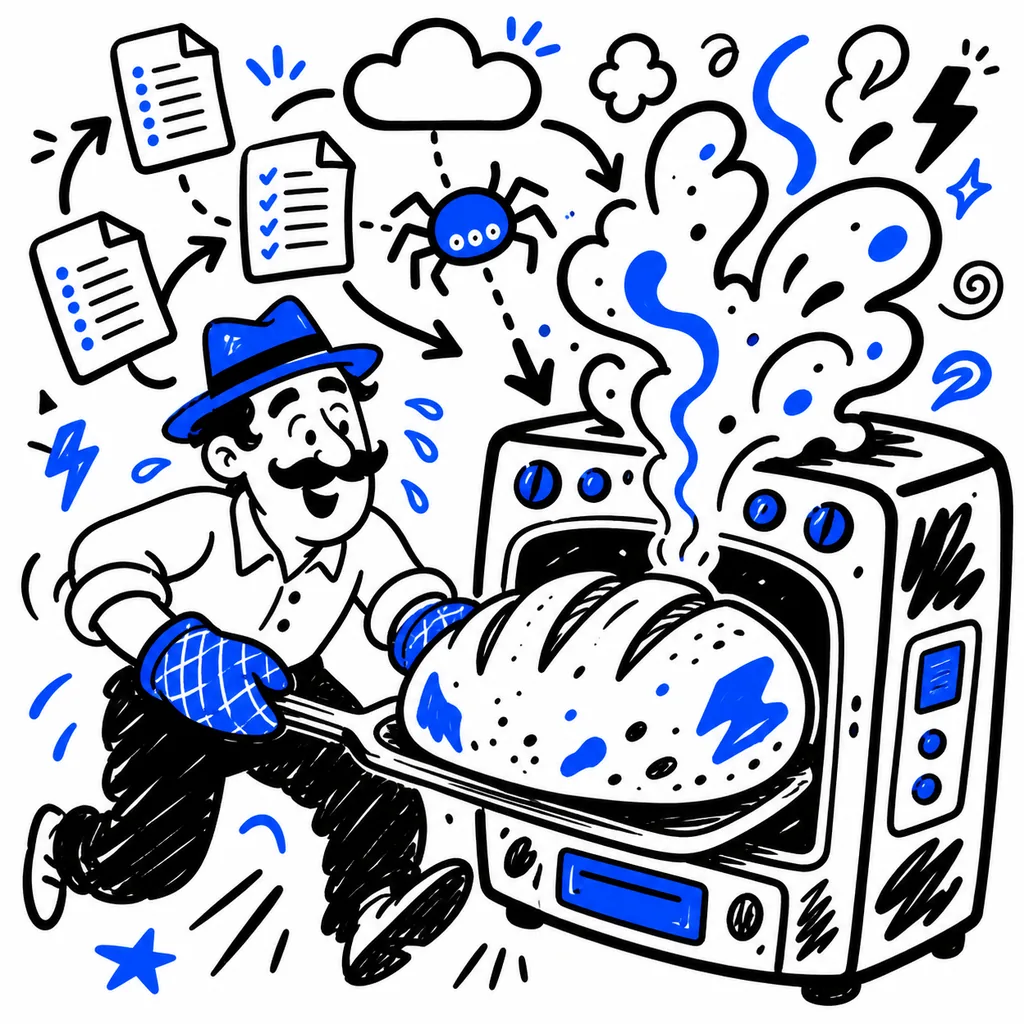
Lumar's log file analysis integrates with its cloud-based web crawler. The platform combines crawl data from Lumar's own crawler with server log data to show what Googlebot actually crawls versus what Lumar discovers.
Strengths. Combined crawl and log analysis. Automated weekly processing. Custom dashboards. Integration with Google Search Console and analytics platforms.
Limitations. Log file processing requires specific AWS infrastructure setup. Monthly pricing can be high for small teams.
Pricing. No list price is published. Lumar asks you to fill in a form to get pricing (https://www.lumar.io/pricing/), so confirm in the quote whether log file analysis is included or billed separately.
Ideal for. Mid-market to enterprise teams that already use Lumar for technical SEO crawling.
ELK Stack (Elasticsearch, Logstash, Kibana)
The open-source ELK stack provides complete flexibility for log file analysis. You pipe server logs through Logstash for parsing, store them in Elasticsearch, and build visualizations in Kibana.
Strengths. Unlimited customization. Real-time processing. Full control over bot identification logic. Scales to millions of requests per day. Free and open source.
Limitations. Requires Elasticsearch infrastructure and DevOps expertise. No pre-built SEO reports. You build every dashboard from scratch. Maintenance overhead for log rotation and cluster management.
Pricing. Free and open source to self-host (https://www.elastic.co/what-is/elk-stack). Elastic Cloud is the paid managed option, and current prices are on https://www.elastic.co/pricing rather than a fixed entry price.
Ideal for. Technical teams with DevOps resources who need custom analysis beyond what off-the-shelf tools provide.
Custom Python Workflow
Many SEO engineers build custom log analysis pipelines using Python libraries like pandas and matplotlib. This approach gives complete control over parsing logic, bot filtering rules, and visualization.
Strengths. Fully customizable. Integrates with any data pipeline. Free. Reusable across sites.
Limitations. Requires Python development time. No user interface. Needs ongoing maintenance for new bot signatures.
Pricing. Free.
Ideal for. In-house technical SEO teams and developers who need integration with existing data infrastructure.
Tool Selection Matrix
| Tool | Best For | Price | Real-Time | Setup Effort |
|---|---|---|---|---|
| Screaming Frog | Small/medium sites | Free | No | Low |
| JetOctopus | Mid-market | $$ | Partial | Medium |
| Botify | Enterprise | $$$$ | Yes | High |
| Lumar | Mid-market/enterprise | $$$ | Yes | Medium |
| ELK Stack | Custom technical | Free/$$ | Yes | High |
| Python custom | Technical teams | Free | Custom | High |
Note the gap between your current approach and what would best serve your site size. The wrong tool either wastes budget on unneeded features or misses critical data. Evaluate based on your monthly log volume, team skills, and analysis depth. Audit your tooling choice annually.
References
- Screaming Frog Log File Analyser (https://www.screamingfrog.co.uk/log-file-analyser/)
- JetOctopus Plans and Pricing (https://jetoctopus.com/pricing/)
- Botify Platform Overview (https://www.botify.com/platform)
- Lumar DeepCrawl Documentation (https://www.lumar.io/platform/)
- Elastic ELK Stack Guide (https://www.elastic.co/what-is/elk-stack)
Related Articles
Discover more insights about web development and digital marketing