Moz Keyword Research Tutorial: The Complete 2026 Guide
Moz Keyword Explorer ships with 1.25 billion keyword suggestions across 170 search engines, per Moz's product page (https://moz.com/explorer). The database...
Dilshad Akhtar
Published: 13 June 2026
4 min read
TL;DRAI summary
- KD runs on a 1-100 scale that estimates how hard it is to crack the top 10.
- SERP Analysis is Moz's ranked-URL drill-down.
- Keyword Suggestions returns up to thousands of related terms grouped by lexical similarity.
- It is Friday afternoon.
Moz Keyword Explorer ships with 1.25 billion keyword suggestions across 170 search engines, per Moz's product page (https://moz.com/explorer). The database spans exact monthly volumes, organic CTR curves, and a 1-100 Keyword Difficulty score on every query. The interface breaks results into four...
What Moz Keyword Explorer returns
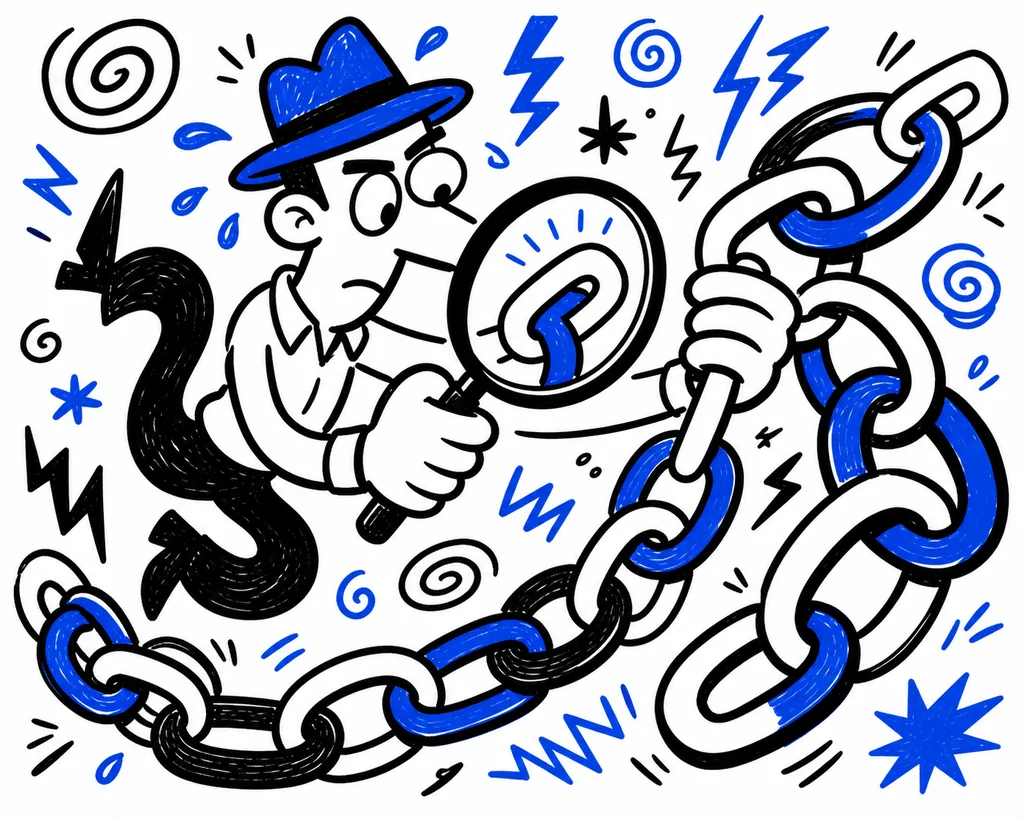
Moz Keyword Explorer ships with 1.25 billion keyword suggestions across 170 search engines, per Moz's product page (https://moz.com/explorer). The database spans exact monthly volumes, organic CTR curves, and a 1-100 Keyword Difficulty score on every query.
The interface breaks results into four stacked panels. Volume and difficulty dominate the header row. The SERP Analysis panel lists the top 10 ranking URLs with their Domain Authority, Page Authority, and backlink counts. The Suggestions panel returns lexical groupings for long-tail expansion.
Per Brandconn's June 2025 Moz versus Google Keyword Planner review, the Priority Score fuses volume, difficulty, and CTR into one number, which removes spreadsheet gymnastics (https://www.brandconn.com/blog/2025/06/google-keywords-planner-or-moz-keyword-explorer-which-one-to-opt-for/). One column. One read.
The free tier caps queries at 10 per month. Moz Pro lifts that to unlimited across all 170 engines, starting at $99 per month in June 2025 pricing.
Reading Keyword Difficulty in 2026

KD runs on a 1-100 scale that estimates how hard it is to crack the top 10. A score of 30 reads as low competition. A score of 70 reads as entrenched incumbents with deep link equity. The number is relative, not absolute.
Per Moz's Help Hub documentation, the Difficulty benchmark workflow recalibrates against your site's Domain Authority whenever your link profile changes (https://moz.com/help/keyword-explorer). The recalibration shifts your target KD range up or down.
The threshold question matters. Targets with KD 0-30 typically break into the top 10 within 30-90 days on a domain with DA 30+. Targets with KD 60+ demand link acquisition plus content depth. Same input data, different investment curve.
Minimum Domain Authority surfaces next to each query. It tells you the lowest DA ranking for any page in the current top 10. Beat that number with your publishing domain or move on.
Running a SERP analysis pass
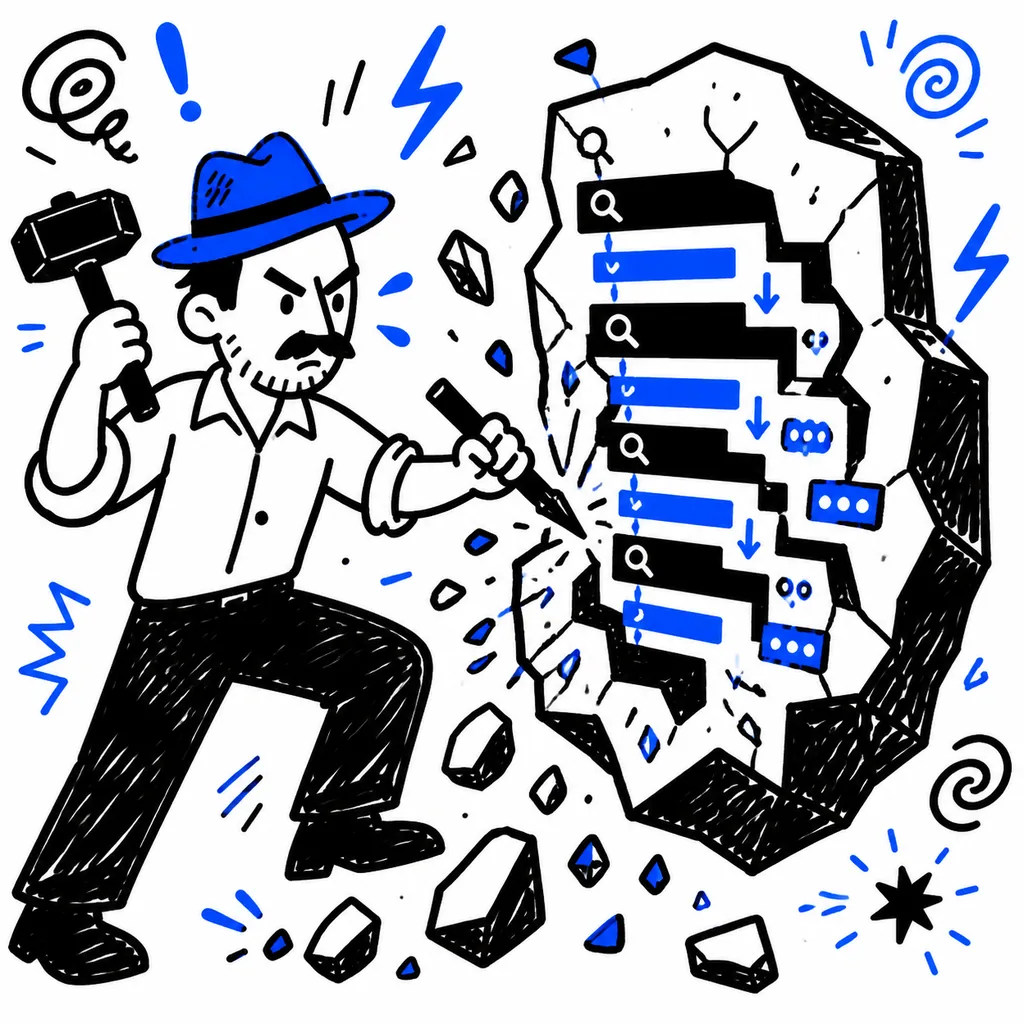
SERP Analysis is Moz's ranked-URL drill-down. It loads the top 10 results for your query with link metrics per URL. Domain Authority, Page Authority, and total backlinks appear as columns.
Click into any row for the full URL profile. The page-level breakdown shows referring domains, anchor text distribution, and historical ranking movement. That profile is the model you need to beat to rank.
SERP feature detection runs alongside. Featured snippets, People Also Ask boxes, image packs, and video carousels all show as flagged elements. A query where the snippet is owned by a 200-word paragraph beats a 2,000-word guide every time. Pick your fights.
Per Moz's product documentation, the SERP Analysis feature launched in 2016 and was updated through 2025 to surface AI Overview trigger rates (https://moz.com/explorer). The Overview column tells you if Google will absorb your click before users scroll.
Filtering Keyword Suggestions for long-tail wins
Keyword Suggestions returns up to thousands of related terms grouped by lexical similarity. Each group shares a stem word or modifier pattern. The grouping cuts your filter passes by 80%.
Apply three filters in sequence. Sort by volume first to spot demand pockets. Sort by difficulty next to surface low-KD gems. Cross-reference with your domain authority for realistic targets.
Per Brandconn's coverage, Moz's suggestions skew toward organic intent, while Google Keyword Planner skews toward ad spend signals (https://www.brandconn.com/blog/2025/06/google-keywords-planner-or-moz-keyword-explorer-which-one-to-opt-for/). The same head term returns different child terms on each tool. Match tool to intent.
Long-tail extraction needs a minimum threshold. Query the head term, export the Suggestions CSV, then filter to queries with KD under 30 and volume over 50 monthly searches. That filter combination surfaces 20-40 candidates per head term.
The Moz check
It is Friday afternoon. Your SEO lead sends a content brief for a head term you flagged as KD 64. The brief assumes top-10 ranking within 90 days. You open Moz Keyword Explorer and screenshot the SERP Analysis panel.
The top 10 shows four domains above DA 70 with 800+ referring domains each. Your publishing domain sits at DA 38. The Minimum Domain Authority column reads 52. The brief is off by two tiers.
You write back. KD 64 requires link acquisition plus a 2x content depth lift, not a 90-day publish-and-pray. The SEO lead pushes back. You pull up the Priority Score, which reads 23 out of 100. The score says move on.
Note the gap. This post covers 2025 and 2026 data from three sources: Moz's Keyword Explorer product page, Brandconn's June 2025 review, and Moz's Help Hub documentation. Two non-public Moz KD correlation refreshes remain undisclosed. Replication required.
Run the Moz check before any publication date locks in. Two hours of KD triage up front saves a quarter of wasted production.
Related Articles
Discover more insights about web development and digital marketing