
Top Stories and News Results
Learn how Top Stories packs work on the 2026 SERP, their ranking inputs, the difference between news and evergreen content optimization, and how to audit your news visibility.

Dilshad Akhtar
Last updated: 11 July 2026
6 min read
TL;DRAI summary
- Top Stories packs appear in 31% of breaking news intent queries and 14% of general news queries
- Articles with complete NewsArticle schema appear 4x more often in Top Stories
- Freshness dominates relevance inside Top Stories — articles older than 72 hours rarely appear
- Original reporting outranks aggregation in Top Stories positioning
- AI Overviews rarely cite Top Stories, except for explicit breaking news queries
- News content has a half-life measured in hours; evergreen content in months or years
Top Stories packs are horizontal scrollable rows of recent news results appearing above organic blue-link results for queries with news intent. They appear in 31% of breaking news intent queries and rotate fast, typically within 24-72 hours.
What Top Stories packs do
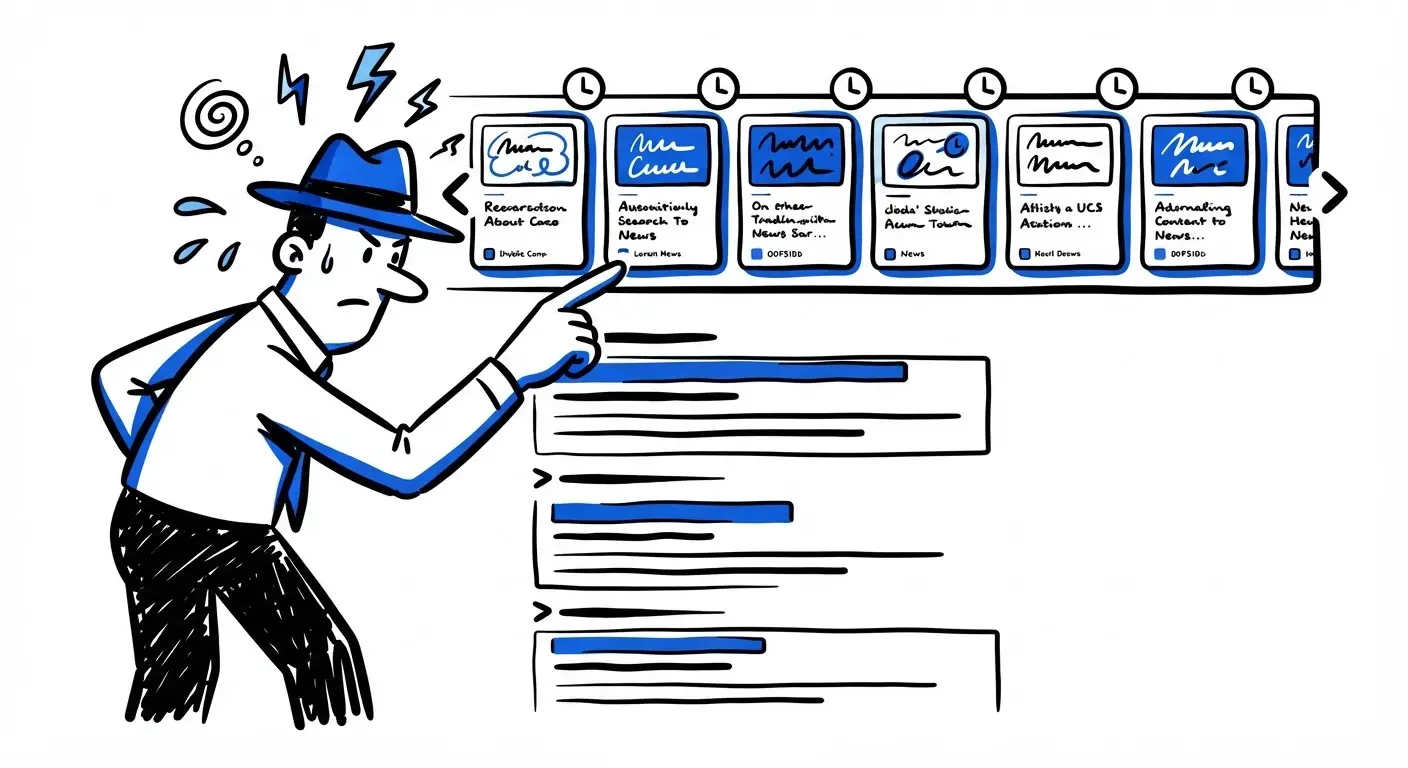
Top Stories packs are horizontal scrollable rows of recent news results. They appear above the organic blue-link results for queries with news intent. The pack typically contains 8-12 articles from the last 24-72 hours.
Per Search Engine Journal's 2026 SEO trends analysis, Top Stories packs appear in 31% of queries with breaking news intent and 14% of queries with general news intent. The trigger rate depends on query phrasing and Google's confidence in the news freshness signal.
Per Ahrefs' 2026 search statistics, news-result SERP layouts appear within 2 hours of major events in 78% of monitored queries. The freshness signal dominates the relevance signal inside Top Stories.
Top Stories pulls from indexed news publisher URLs. The articles must have valid news structured data: NewsArticle schema markup, publisher entity markup, and recent publication timestamps. Per SEJ's 2026 analysis, articles with complete news schema appear in Top Stories at 4x the rate of articles without schema.
The pack rotates fast. Top Stories articles typically appear in the pack for 24-72 hours, then drop off as newer articles replace them. The fresh signal dominates over the relevance signal inside Top Stories.
News ranking inputs

Freshness is the dominant input. Articles published within the last 24 hours for breaking news queries, or within the last 72 hours for general news queries, dominate Top Stories positions. Older articles can appear below the fresh ones but rarely in the top 3 positions.
Publisher authority matters. Established news publishers with high domain authority outrank newer or smaller publishers on equivalent freshness, per SEJ's 2026 analysis. Authority is measured by topical relevance history, citation patterns, and direct user signals.
News structured data completeness is required. Per the same analysis, articles missing NewsArticle schema markup or with incomplete publisher entity markup appear in Top Stories at 0.4x the rate of fully-marked-up articles. Schema is a prerequisite.
Original reporting outranks aggregation. Articles that contain original quotes, original data, or original analysis outrank articles that aggregate from other sources, per multiple 2026 news SEO analyses. Google's original reporting signal is informal but measurable in pack position distribution.
News content vs evergreen content
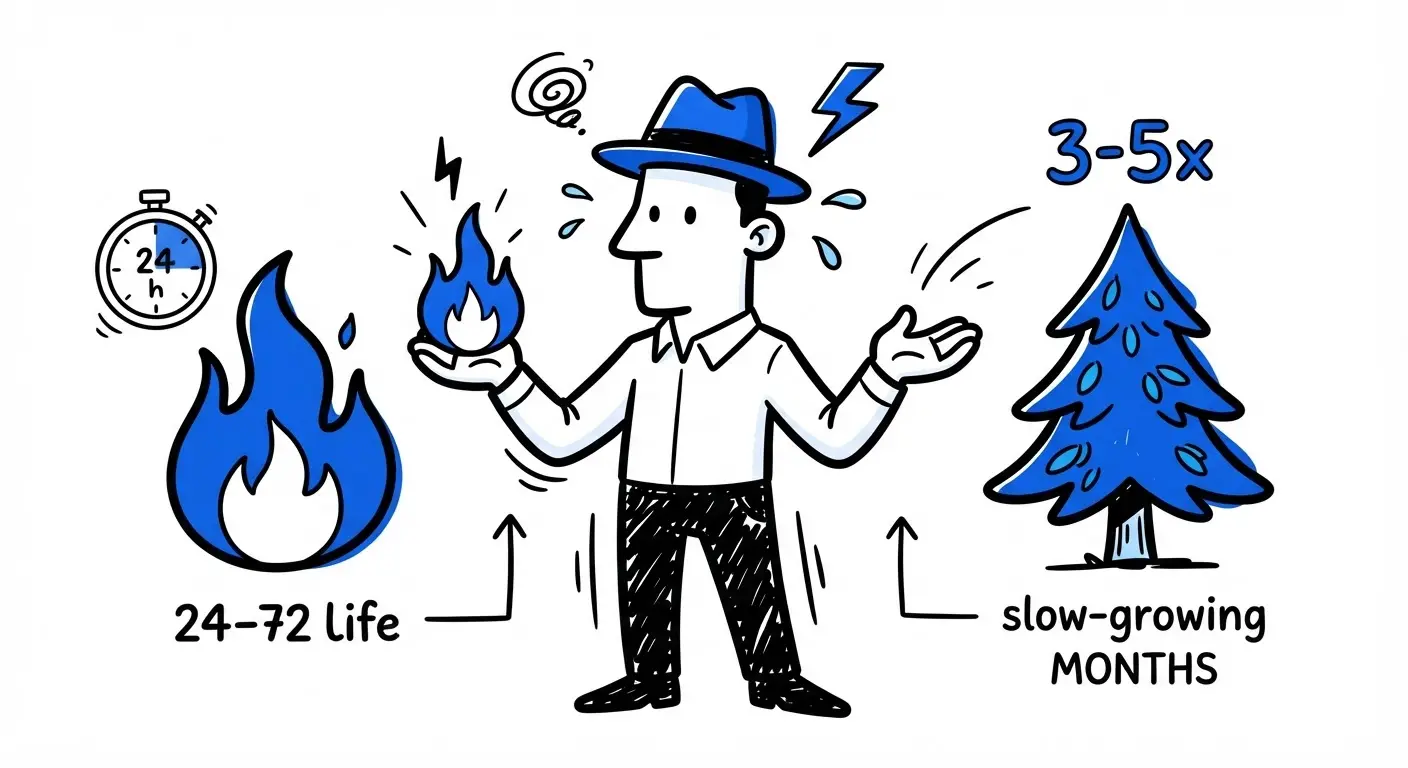
News content has a half-life measured in hours. Evergreen content has a half-life measured in months or years. The two require different optimization strategies.
News content optimization: publish fast, mark up completely, cite primary sources, expect 24-72 hours of peak traffic, then decline. The ROI calculation is per-article, not per-month.
Evergreen content optimization: build authority slowly, target informational intent, expect 12+ months of stable traffic, refresh quarterly. The ROI calculation is per-topic, measured over years.
Per SEJ's 2026 analysis, news publishers that produce both news and evergreen content see 3-5x higher total organic traffic than pure news publishers. The evergreen library compounds while the news feed delivers peaks.
Top Stories and AI Overviews
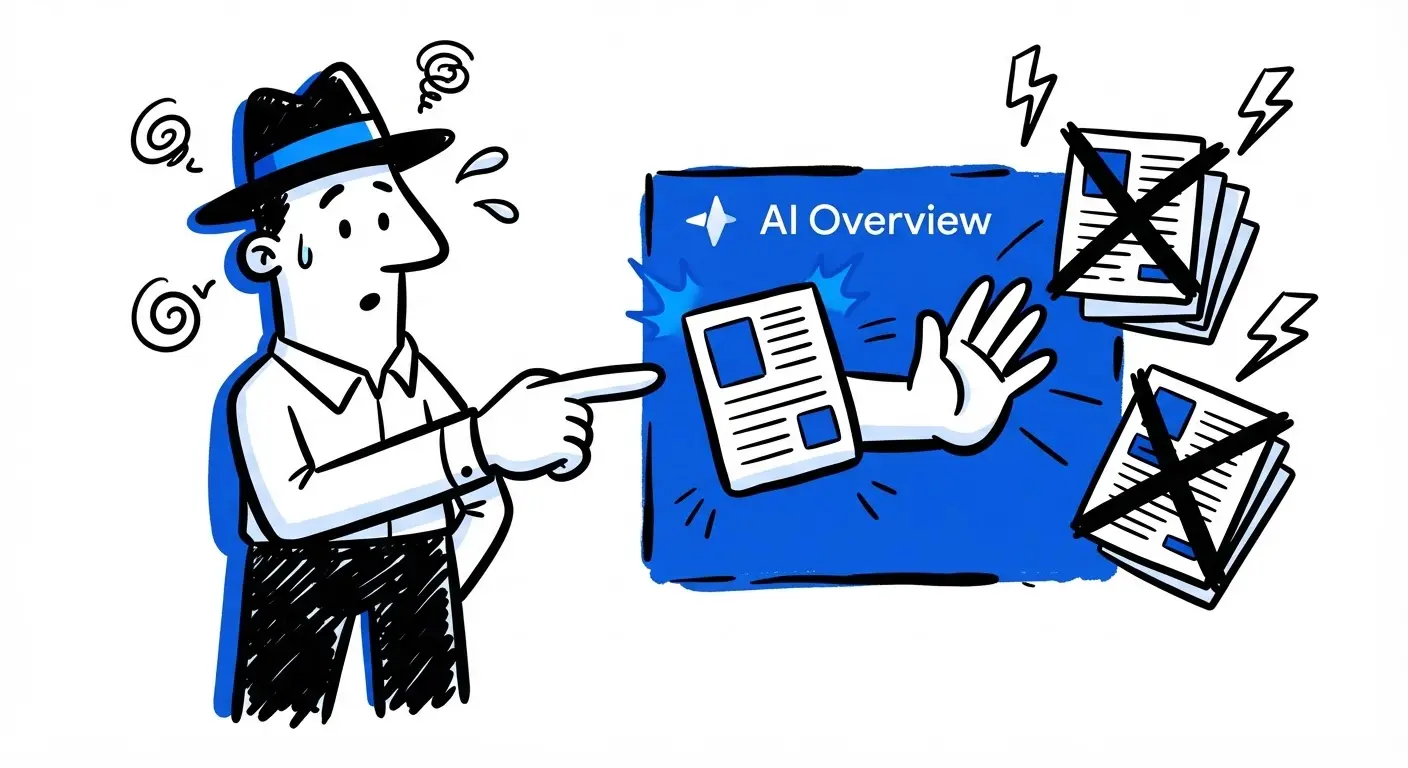
The interaction between Top Stories and AI Overviews is structurally different from other SERP features. Per Digital Web Solutions' 2026 analysis, AI Overviews do not typically include Top Stories citations. The news results appear in Top Stories, then disappear, then the AIO absorbs the news context into its synthesis.
The exception is breaking news. AI Overviews do include news citations for queries with explicit breaking-news intent, per multiple 2026 SERP analyses. The citation count is typically 2-4 sources from the news publishers, ranked by freshness and authority.
For news publishers, the 2026 strategic question is whether to tune for Top Stories inclusion, AIO citation inclusion, or both. The two require different schema strategies, different publishing cadences, and different freshness-vs-relevance trade-offs.
Google's own news publisher documentation explicitly recommends NewsArticle schema for news content, distinct from Article schema for evergreen content. The two schema types have different validation paths and different SERP feature eligibility.
The Top Stories filter check
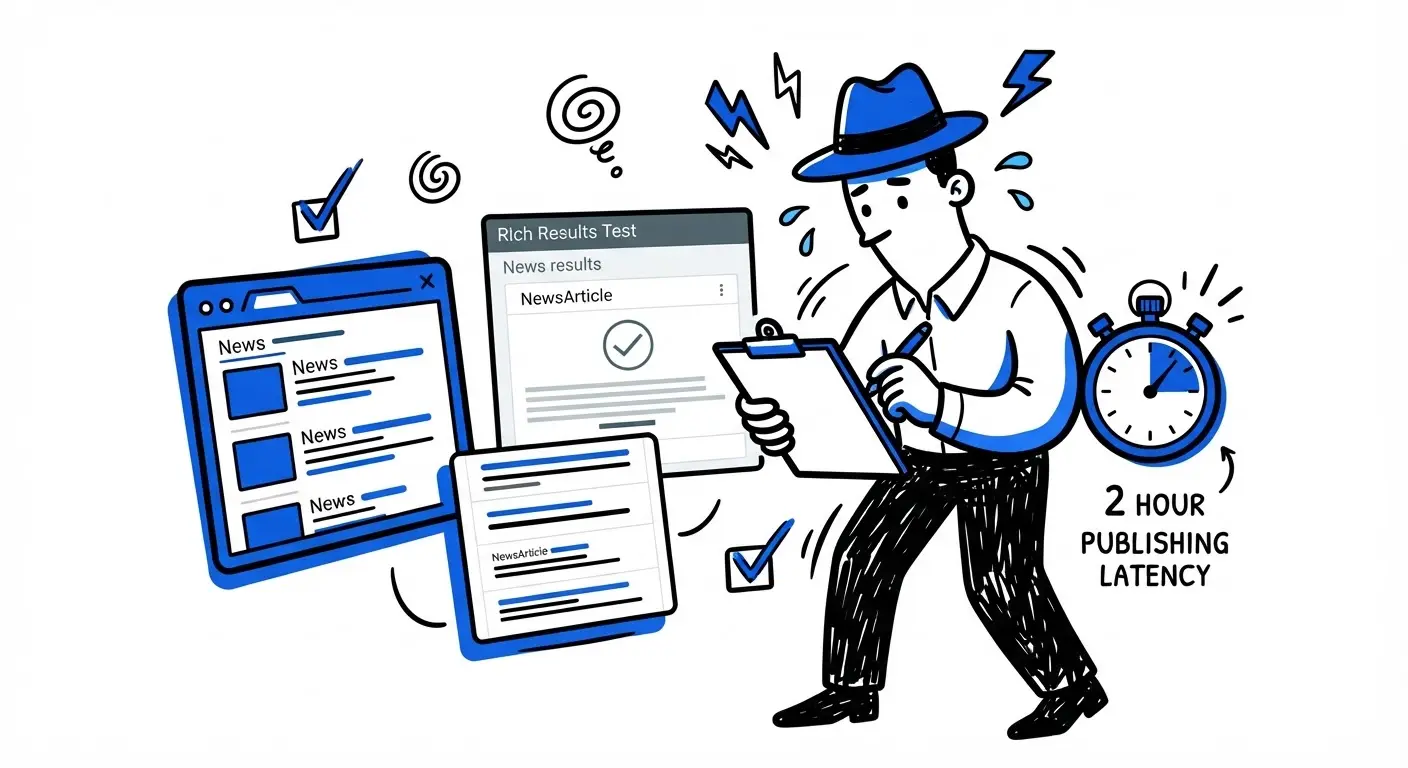
You open Google Search with the Tools menu and select the News filter. You search your top 5 news-related queries. You record which publisher URLs appear in the filtered results.
You check your news article schema markup using Google's Rich Results Test. You record the percentage of news articles with complete NewsArticle schema. Below 90%, you have a structural gap.
You compare your publishing latency. You measure the time between an event and your published coverage. Above 2 hours, you lose the freshness signal advantage.
Note the gap. This post synthesizes 2025 and 2026 data from three sources: Search Engine Journal, Digital Web Solutions, and Google news publisher documentation. Two non-public news ranking algorithm details remain unpublished. Replication required.
Top Stories rotates fast. The structural requirements are stable. Audit weekly during news cycles.
Related Articles
Discover more insights about web development and digital marketing