AI Agent Orchestration for SEO: The Complete 2026 Guide
Multiple AI agents need coordination to work effectively together. AI agent orchestration manages the flow of work between specialized agents. This guide...
Dilshad Akhtar
Published: 21 July 2026
3 min read
TL;DRAI summary
- Without orchestration, agents work in isolation.
- The orchestrator is the central coordinating agent.
- SEO goals break down into smaller tasks.
- Some tasks depend on others.
- Agents have capacity limits and costs.
- Things go wrong in automated systems.
- Orchestrators maintain workflow state.
- Orchestration improves over time.
- Google's documentation on multi agent systems covers orchestration patterns.
- Start without formal orchestration between two agents.
- Orchestration is different from simple sequential automation.
- Orchestration systems need their own monitoring.
Multiple AI agents need coordination to work effectively together. AI agent orchestration manages the flow of work between specialized agents. This guide covers orchestration patterns for SEO.
Why Orchestration Matters
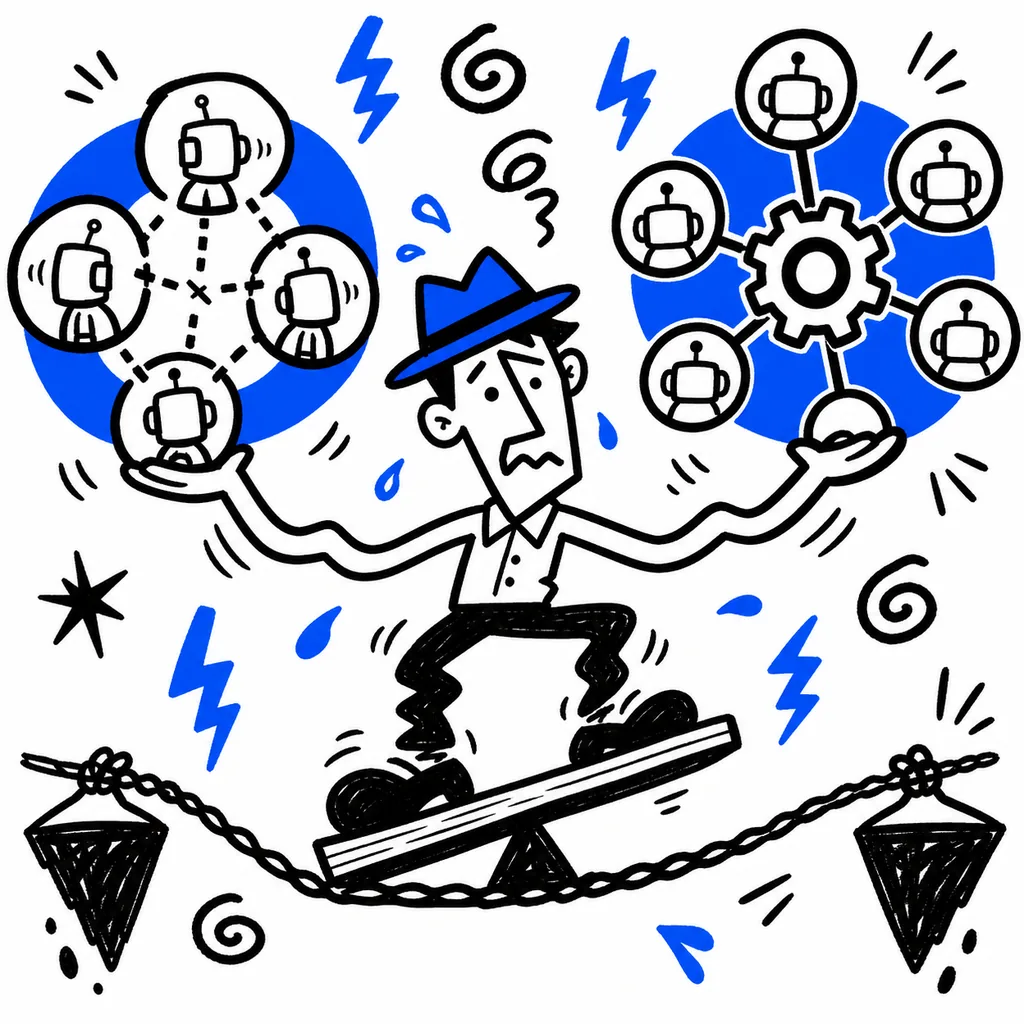
Without orchestration, agents work in isolation. They may duplicate work or conflict. They miss handoff opportunities. Orchestration provides structure. It ensures each agent knows its role. It manages communication between agents. It handles failures and escalations. Orchestration turns a collection of agents into a coordinated system.
The Orchestrator Agent

The orchestrator is the central coordinating agent. It receives high level SEO objectives. It breaks objectives into sub tasks. It assigns tasks to specialist agents. It monitors task progress and completion. It handles task failures and retries. The orchestrator maintains the big picture view.
Task Decomposition
SEO goals break down into smaller tasks. An orchestrator decomposes "improve organic traffic by 20 percent" into specific actions. Keyword research, content creation, technical optimization, and link building tasks are identified. Each task gets assigned to the appropriate specialist. Decomposition makes complex goals manageable.
Dependency Management
Some tasks depend on others. Content writing depends on keyword research completion. Publication depends on content approval. Orchestrators manage these dependencies. They sequence tasks in the correct order. They parallelize independent tasks. They handle dependency failures appropriately.
Resource Allocation
Agents have capacity limits and costs. Orchestrators manage resource allocation. They balance workload across agents. They prioritize high value tasks. They adjust allocations based on agent performance. Resource management ensures efficient operation.
Error Handling
Things go wrong in automated systems. Orchestrators handle errors gracefully. They retry failed tasks when appropriate. They escalate persistent failures to humans. They adjust plans when tasks cannot complete. Error handling prevents workflow breakdowns.
State Management
Orchestrators maintain workflow state. They track which tasks are complete and pending. They store intermediate outputs for handoff. They provide status visibility to human supervisors. State management enables recovery from failures.
Performance Optimization
Orchestration improves over time. Orchestrators analyze workflow performance data. They identify bottlenecks and inefficiencies. They adjust task assignments and sequencing. They recommend workflow improvements. Continuous optimization increases automation ROI.
Real URL References
Google's documentation on multi agent systems covers orchestration patterns. LangChain and LangGraph published orchestration frameworks for AI agents. Search Engine Land covered agent orchestration for SEO in 2025. Industry case studies demonstrate orchestration impact on SEO operations.
Implementation Path
Start without formal orchestration between two agents. Introduce a lightweight orchestrator as you add more agents. Define clear task handoff protocols. Implement error handling and escalation paths. Monitor orchestration performance and refine. Scale from simple workflows to complex orchestrated systems.
Orchestration vs Sequential Automation
Orchestration is different from simple sequential automation. Sequential automation runs predefined steps in order. Orchestration involves dynamic decision making. An orchestrator evaluates current conditions and chooses the best next action. It can reroute work around failed agents. It can parallelize tasks based on resource availability. True orchestration provides flexibility that sequential automation lacks. Understanding this difference helps teams design more effective multi agent systems.
Monitoring Orchestration Health
Orchestration systems need their own monitoring. Track orchestrator decision latency and accuracy. Measure workflow completion rates and cycle times. Monitor agent utilization and bottleneck identification. Set alerts for orchestrator failures or performance degradation. Orchestration health monitoring ensures your multi agent system operates reliably at scale.
The agentic SEO orchestration audit. Note the gap between uncoordinated agent activities and efficient orchestrated workflows. Audit quarterly.
Related Articles
Discover more insights about web development and digital marketing