AI Agent Workflows for SEO: The Complete 2026 Guide
Individual AI agents are powerful. Connected workflows are transformative. This guide covers designing multi agent workflows that automate end to end SEO...
Dilshad Akhtar
Published: 21 July 2026
3 min read
TL;DRAI summary
- An AI agent workflow connects multiple specialized agents into a coordinated system.
- Several patterns work well for SEO workflows.
- Workflow orchestration requires a planning agent.
- Agents need structured handoff protocols.
- Workflows need quality checkpoints.
- Workflows improve through feedback loops.
- Not everything should be automated.
- Google's documentation on AI agent architectures covers workflow design patterns.
- Map your current SEO process as a workflow diagram.
- Agents in workflows need to communicate effectively.
- Workflows need testing before production deployment.
Individual AI agents are powerful. Connected workflows are transformative. This guide covers designing multi agent workflows that automate end to end SEO operations.
The Workflow Concept
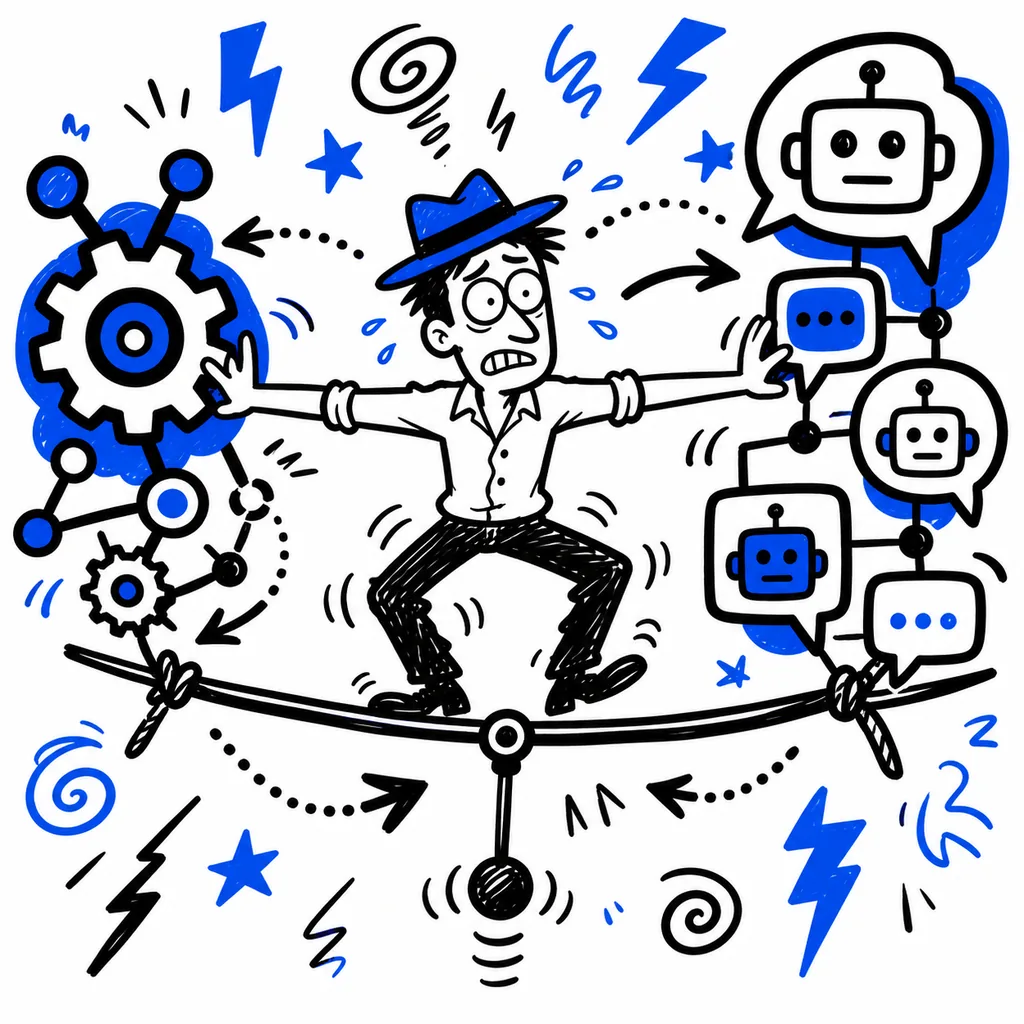
An AI agent workflow connects multiple specialized agents into a coordinated system. A keyword research agent passes opportunities to a content brief agent. The brief agent sends specifications to a content writing agent. The writing agent publishes through a CMS agent. Each agent handles its specialty and passes results to the next. Workflows automate complete SEO processes.
Workflow Architecture Patterns
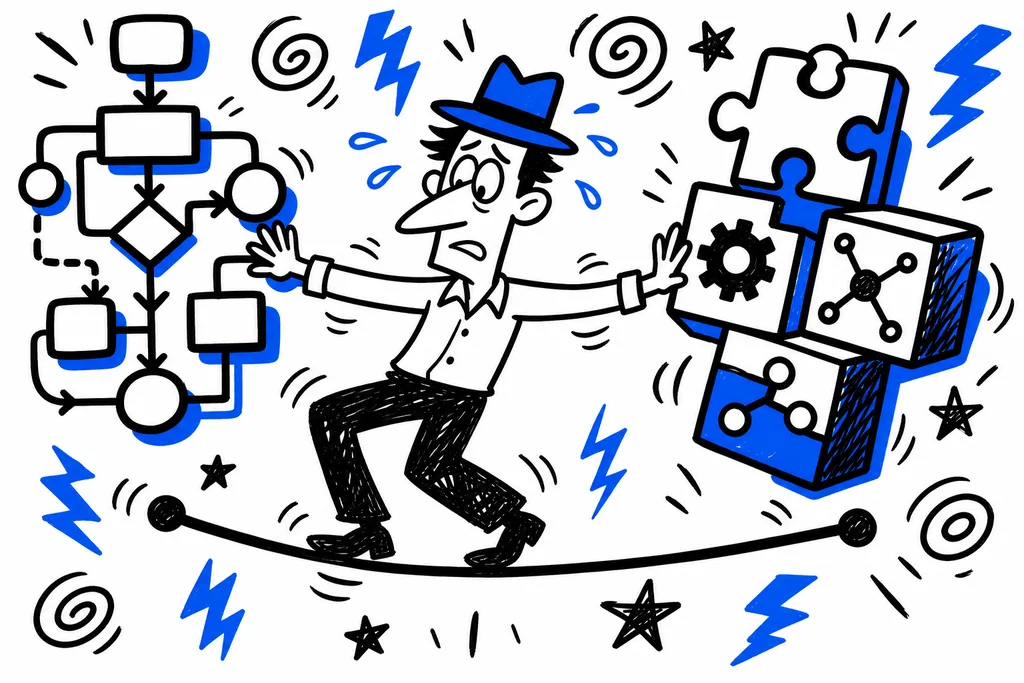
Several patterns work well for SEO workflows. The pipeline pattern connects agents in a chain from research to publication. The hub and spoke pattern uses a coordinating agent that delegates to specialists. The roundtable pattern has agents collaborate on complex decisions. The monitor and fix pattern pairs detection agents with remediation agents. Choose patterns based on your SEO process complexity.
Planning and Coordination
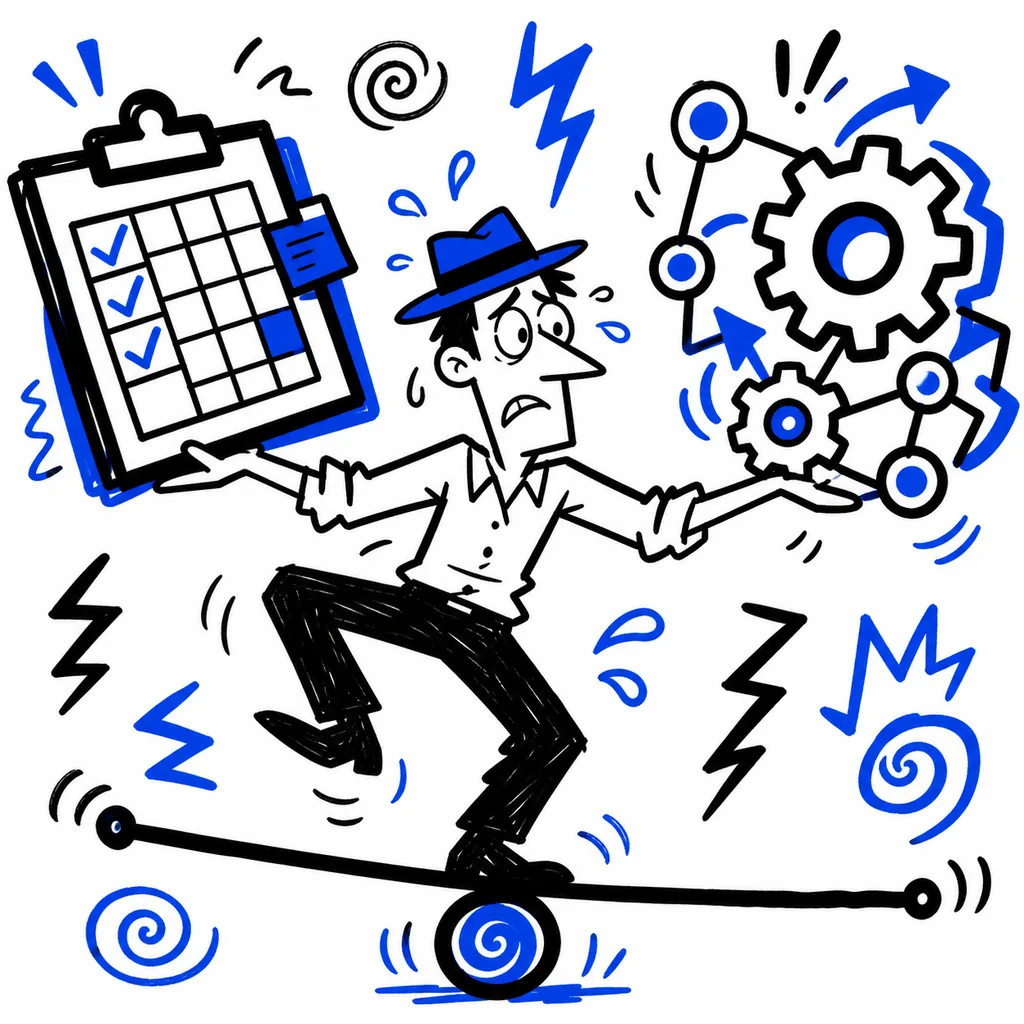
Workflow orchestration requires a planning agent. This agent receives high level SEO goals. It breaks goals into tasks and assigns them to specialist agents. It monitors progress and handles exceptions. It adjusts plans based on results. The planning agent is the workflow's brain.
Task Handoff Protocols
Agents need structured handoff protocols. Each handoff includes complete context and requirements. Outputs are validated before passing to the next agent. Status updates flow back to the orchestrator. Failure handling is built into every handoff. Clean handoffs prevent information loss between agents.
Quality Gates
Workflows need quality checkpoints. Between each agent output and the next step, validation occurs. Content quality, SEO compliance, and brand alignment are checked. Failed quality gates trigger rework by the originating agent. Quality gates maintain output standards across automated workflows.
Feedback Loops
Workflows improve through feedback loops. Performance data flows back to earlier agents. Content writing agents learn which formats perform best. Keyword agents learn which opportunities convert. Feedback loops create continuously improving workflows.
Human Intervention Points
Not everything should be automated. Workflow design includes human intervention points. Content approval gates where humans review before publication. Strategy decisions where human judgment is essential. Escalation paths for workflow exceptions. Smart human intervention balances automation with oversight.
Real URL References
Google's documentation on AI agent architectures covers workflow design patterns. Search Engine Land published research on multi agent SEO workflows in 2025. Anthropic and OpenAI published agent workflow best practices. Industry case studies demonstrate workflow automation ROI.
Getting Started
Map your current SEO process as a workflow diagram. Identify the most repetitive, rule based steps for initial automation. Start with a simple two agent workflow like keyword to brief. Add agents incrementally as each connection proves reliable. Establish quality gates and human review points. Scale from simple pipeline to complex orchestrated workflows.
Agent Communication Patterns
Agents in workflows need to communicate effectively. Structured data formats work better than free text for handoffs. Clear output specifications reduce parsing errors. Status reporting keeps the orchestrator informed. Error messages should include context for debugging. Well designed communication patterns prevent information loss between workflow stages.
Workflow Testing and Validation
Workflows need testing before production deployment. Test each agent to agent handoff individually. Validate that outputs meet quality standards at each gate. Test error handling paths and recovery procedures. Run parallel workflows comparing agent results against manual baselines. Thorough testing prevents workflow failures at scale.
The agentic SEO workflow audit. Note the gap between disconnected tools and integrated agent driven workflows. Audit quarterly.
Related Articles
Discover more insights about web development and digital marketing