AI Agents for Keyword Research: The Complete 2026 Guide
Keyword research has traditionally been a manual, time intensive process. AI agents now automate the entire workflow from seed keyword generation to...
Dilshad Akhtar
Published: 20 July 2026
3 min read
TL;DRAI summary
- AI agents start with seed terms or topic domains.
- Agents use language models to generate thousands of related queries from a small seed set.
- Each keyword needs intent classification for effective targeting.
- Agentic systems compare your keyword coverage against competitors.
- Raw keyword lists are unwieldy without prioritization.
- After identifying keyword opportunities, agents generate content briefs.
- Agentic keyword research is never finished.
- Google's Keyword Planner API documentation outlines data access methods.
- Connect your keyword agent to Google Search Console for performance data.
- Long tail keywords drive significant cumulative traffic.
- Search trends change constantly.
Keyword research has traditionally been a manual, time intensive process. AI agents now automate the entire workflow from seed keyword generation to opportunity prioritization. This guide covers how to deploy agents for keyword discovery.
How AI Agents Approach Keyword Research

AI agents start with seed terms or topic domains. They query search APIs to gather related terms. They analyze SERP features, search volume, and competition levels. They cluster keywords by intent and topic. They identify gaps in your existing coverage. All of this happens in minutes rather than days.
Seed Keyword Expansion
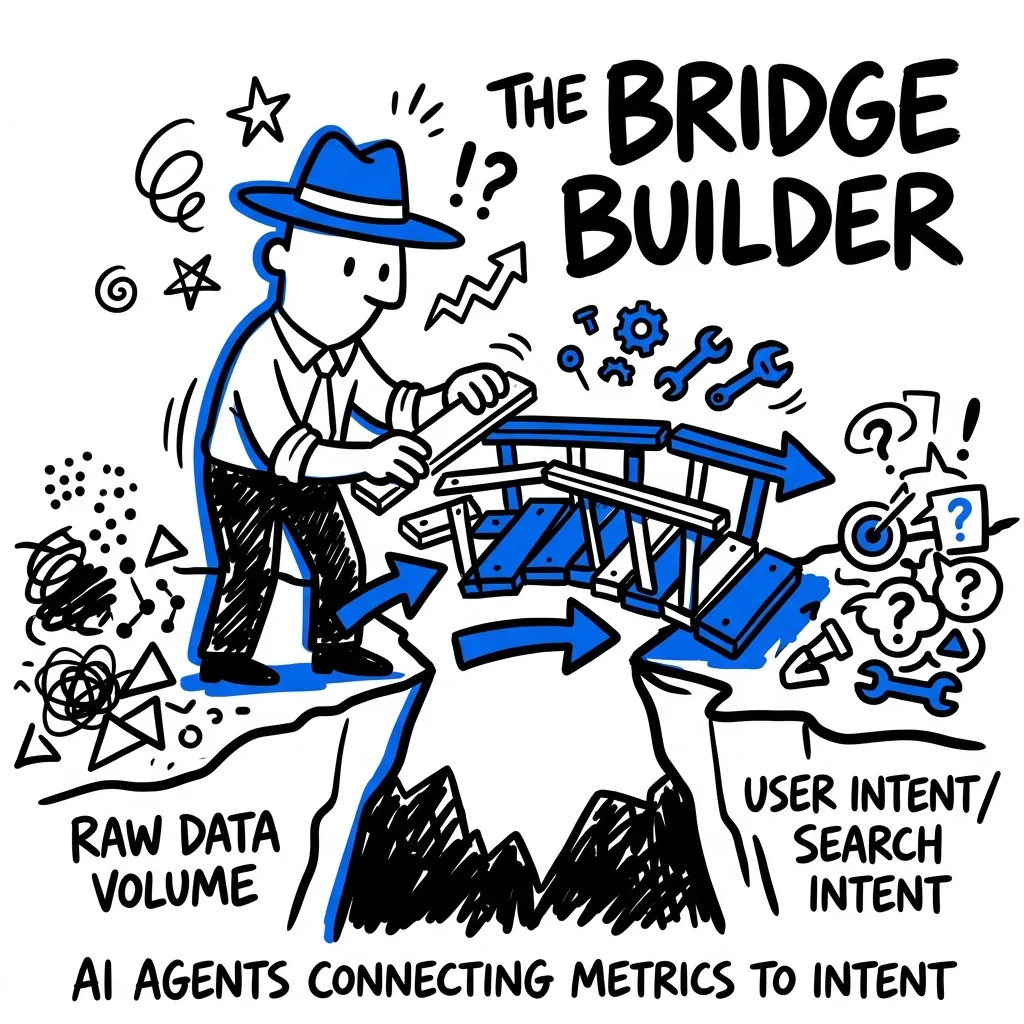
Agents use language models to generate thousands of related queries from a small seed set. They understand semantic relationships between terms. They find long tail variations you might miss. They identify question based queries and conversational phrasing. Expansion quality improves as the agent learns your content domain.
Intent Classification at Scale
Each keyword needs intent classification for effective targeting. Agents classify queries as informational, navigational, transactional, or commercial investigation. They assign confidence scores to each classification. They flag ambiguous terms for human review. Accurate intent classification drives better content strategy decisions.
Competitive Gap Detection
Agentic systems compare your keyword coverage against competitors. They identify terms competitors rank for that you miss. They estimate the difficulty and potential value of each gap. They prioritize gaps based on business impact. Gap detection becomes continuous rather than quarterly.
Opportunity Scoring
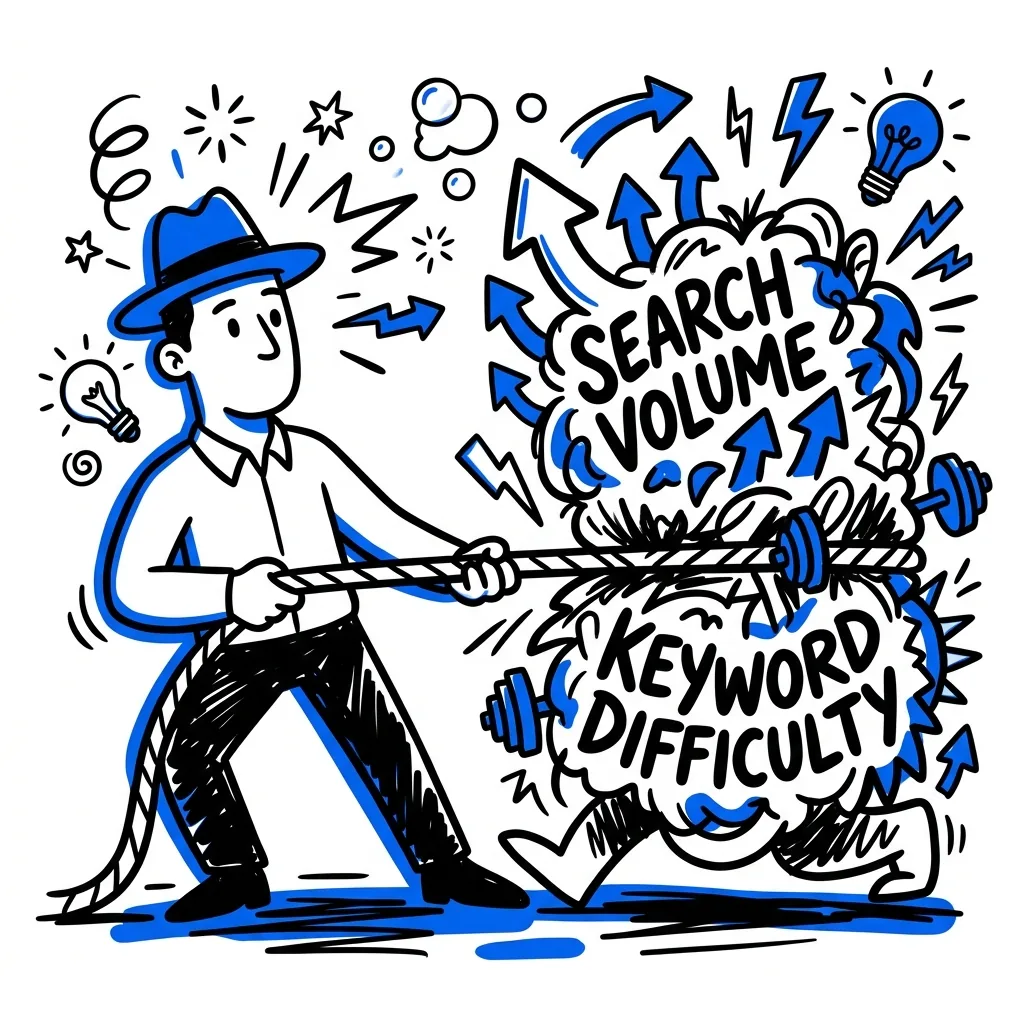
Raw keyword lists are unwieldy without prioritization. Agents score opportunities using multiple signals. Search volume, trend direction, competition level, and relevance to your business all factor in. The agent assigns a composite priority score. It surfaces the highest value opportunities for immediate action.
Automated Content Briefing
After identifying keyword opportunities, agents generate content briefs. They outline required sections and key points. They suggest internal linking targets. They specify target word counts and format preferences. Briefs pass directly to content creation agents or human writers.
Continuous Monitoring
Agentic keyword research is never finished. Agents monitor search trends daily. They detect emerging topics before they peak. They alert you to ranking drops on important terms. They adjust keyword priorities based on performance data. Continuous monitoring keeps your strategy current.
Real URL References
Google's Keyword Planner API documentation outlines data access methods. Search Engine Journal published research on AI driven keyword research in 2025. Ahrefs documented automated keyword research workflows. Semrush's AI research covered agentic keyword discovery tools.
Integration Tips
Connect your keyword agent to Google Search Console for performance data. Integrate with your content management system for direct brief generation. Set up automated reporting to track keyword research ROI. Start with a focused domain before expanding agent scope. Review keyword agent outputs regularly for quality assurance.
Long Tail Keyword Discovery
Long tail keywords drive significant cumulative traffic. Agents excel at long tail discovery because they process large data volumes. They find question based queries, conversational phrases, and niche topic variations. They identify long tail keywords that competitors miss. They estimate the aggregate opportunity of long tail clusters. Long tail discovery is where agentic keyword research provides the most value over manual approaches.
Search Trend Integration
Search trends change constantly. Agents integrate trend data into keyword research. They detect rising keywords before peak demand. They identify declining keywords that need content refresh. They adjust opportunity scoring based on trend direction. Trend aware keyword research keeps your strategy ahead of market shifts.
The agentic SEO keyword research audit. Note the gap between manual and agent driven keyword discovery. Audit quarterly.
Related Articles
Discover more insights about web development and digital marketing