
AI-era Core Web Vitals: Performance Metrics That Matter for Language Models
Core Web Vitals have been Google's performance benchmark since 2021, measuring user experience through Largest Contentful Paint, First Input Delay, and...
Dilshad Akhtar
Published: 23 July 2026
5 min read
TL;DRAI summary
- Core Web Vitals have been Google's performance benchmark since 2021, measuring user experience through Largest Contentful Paint, First Input...
- AI crawlers do not use Google's web vitals JavaScript library.
- Largest Contentful Paint measures when the largest visible element renders.
- First Input Delay and Interaction to Next Paint measure responsiveness to user interaction.
- Cumulative Layout Shift measures visual stability during load.
- Beyond standard web vitals, AI crawlers track additional metrics that have no human-experience equivalent: Content-to-markup ratio measures the...
- Based on 2025 AI crawler documentation, target these performance thresholds: Server response time TTFB : under 500ms for reliable crawling, under...
- Use server log analysis to measure actual AI crawler performance.
- Core Web Vitals and AI crawler performance metrics overlap significantly but are not identical.
Core Web Vitals have been Google's performance benchmark since 2021, measuring user experience through Largest Contentful Paint, First Input Delay, and Cumulative Layout Shift. In the AI era, these metrics take on new significance. AI crawlers have their own performance expectations, and poor...
When Performance Meets AI Crawlability
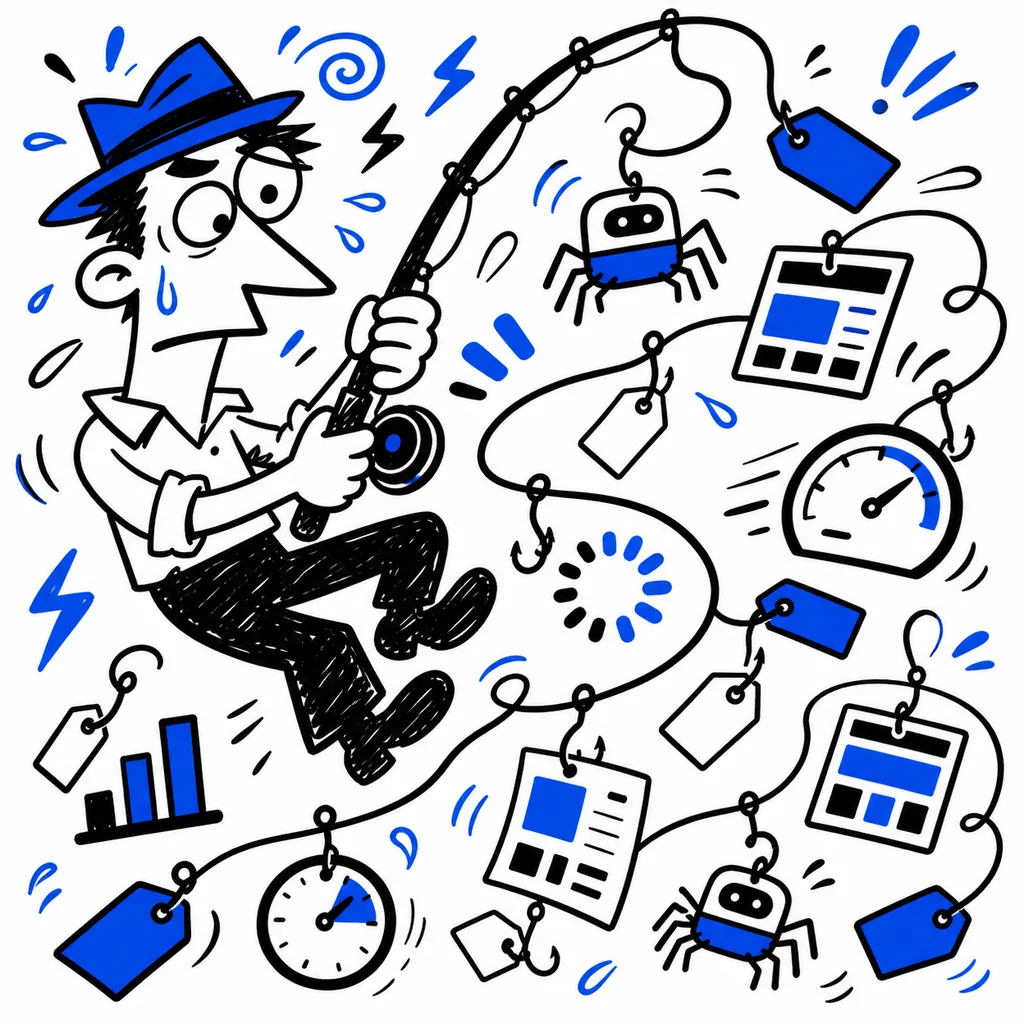
Core Web Vitals have been Google's performance benchmark since 2021, measuring user experience through Largest Contentful Paint, First Input Delay, and Cumulative Layout Shift. In the AI era, these metrics take on new significance. AI crawlers have their own performance expectations, and poor vitals directly reduce crawl frequency, content completeness, and ultimately AI visibility.
How AI Crawlers Measure Performance
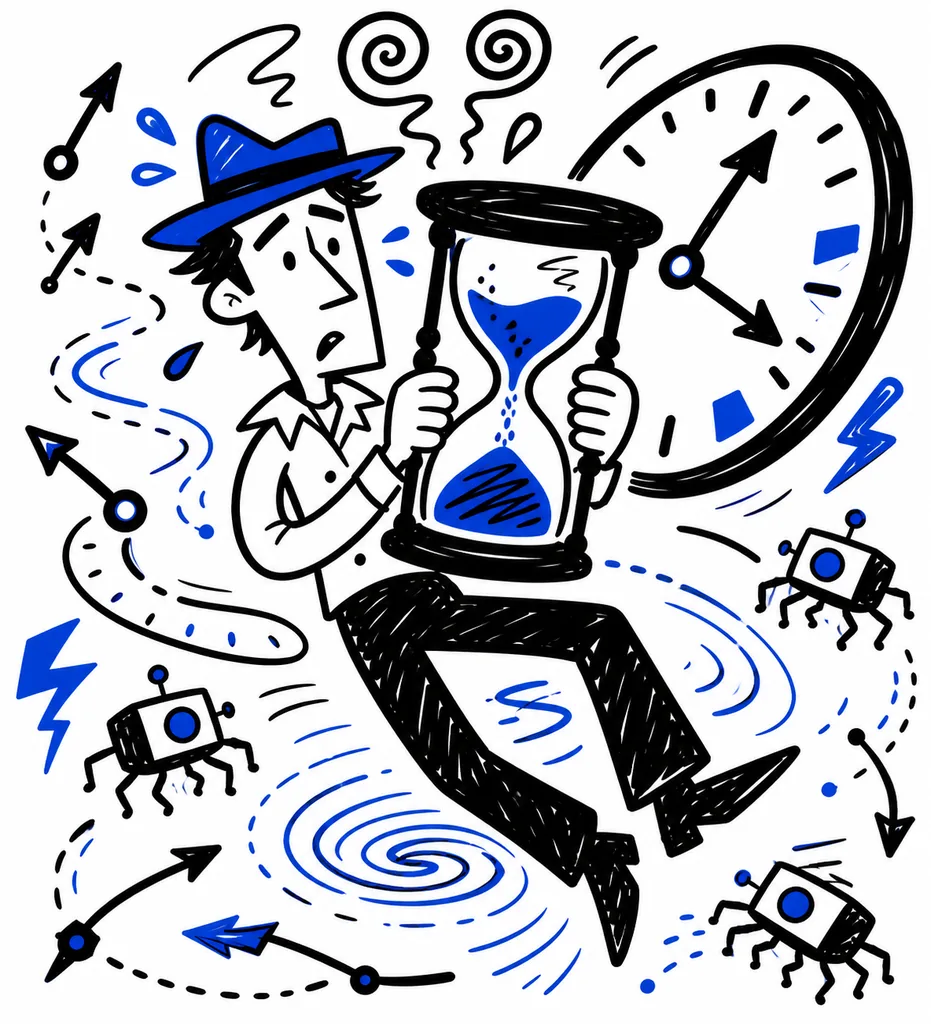
AI crawlers do not use Google's web vitals JavaScript library. They use their own performance instrumentation based on server response metrics and headless browser timing. The metrics they track are similar in concept but measured differently:
Server response time is the most universally tracked metric. Every AI crawler measures the time between sending a request and receiving the first byte of the response. This maps approximately to Time to First Byte (TTFB) in the web vitals framework. AI crawlers with strict timeout budgets will abandon slow-responding pages.
Content arrival time measures when all critical content has been received. This parallels Largest Contentful Paint but without visual rendering. The crawler tracks when the main content area's text and structure are fully parsed.
Response consistency tracks performance variance across multiple crawls. AI crawlers that encounter inconsistent response times may deprioritize a site for future crawls.
LCP in the AI Context

Largest Contentful Paint measures when the largest visible element renders. For AI crawlers, the equivalent is when the main content text becomes available in the parser. The key difference is that AI crawlers consider text content as the primary metric, while LCP typically tracks images or large visual elements.
Optimizing for AI crawler LCP equivalent means:
Deliver main content text early in the HTML document. Put content above the fold in the DOM order, even if CSS positioning rearranges it visually. Prioritize text rendering over image loading. A page that loads a hero image first and article text second has good human LCP but poor AI content arrival time.
Preload critical CSS and fonts to prevent render blocking. Any resource that delays text extraction directly impacts AI crawler performance.
FID/INP in the AI Context
First Input Delay and Interaction to Next Paint measure responsiveness to user interaction. AI crawlers do not interact with pages, so these metrics have no direct AI crawler equivalent. However, the technical factors that cause poor FID/INP (heavy JavaScript execution, long tasks, third-party script bloat) also cause poor AI crawler rendering.
The JavaScript execution that blocks the main thread for human interaction also blocks content rendering for AI crawlers. Optimizing JavaScript execution benefits both human and AI performance.
CLS in the AI Context
Cumulative Layout Shift measures visual stability during load. AI crawlers do not visually render pages, so CLS has no direct equivalent. However, the underlying causes of CLS (late-loading images without dimensions, dynamically injected content, web font swaps) affect content parsing.
Late-loading content that shifts layout may not be available when the AI crawler's parser processes the page. Images without dimensions that load late shift the DOM structure, potentially causing parsers to associate content with the wrong parent elements. Font swaps that change text dimensions can cause content to appear at unexpected positions in the parsed output.
AI-Specific Performance Metrics
Beyond standard web vitals, AI crawlers track additional metrics that have no human-experience equivalent:
Content-to-markup ratio measures the proportion of meaningful text to HTML markup in the response. Pages with low content-to-markup ratios (heavy markup, minimal text) are deprioritized because they consume crawl budget inefficiently.
Semantic density tracks how much structured information is available per kilobyte of content. JSON-LD, semantic HTML, and well-structured tables contribute to high semantic density.
Staleness detection monitors how frequently content changes and whether cached versions remain accurate. AI crawlers reduce revisit frequency for pages that never change and for pages whose content degrades between crawls.
Performance Targets for AI Crawlers
Based on 2025 AI crawler documentation, target these performance thresholds:
Server response time (TTFB): under 500ms for reliable crawling, under 200ms for preferred crawling. Content arrival time (main text fully parsed): under 2 seconds from request. Response size: under 500KB for the HTML document (see post 1146). Response consistency: less than 20% variance across consecutive requests.
Measuring AI Crawler Performance
Use server log analysis to measure actual AI crawler performance. Track request timing from your server's perspective. Compare response times for AI crawler requests versus human visitor requests. Identify pages where AI crawler response times exceed your targets.
Use synthetic monitoring with AI crawler user agents to test performance from multiple geographic locations. CDN providers and performance monitoring services offer crawler-specific testing.
Audit Closing
Core Web Vitals and AI crawler performance metrics overlap significantly but are not identical. Audit your server response times for AI crawler user agents. Optimize content delivery order to prioritize text above images and interactive elements. Reduce JavaScript execution time to improve both human vitals and AI rendering success. Target TTFB under 200ms for AI crawler requests. Monitor content arrival time as the primary AI performance metric. Include AI-specific performance targets in your quarterly technical SEO audits.
References:
- Google. "Core Web Vitals and AI Crawler Performance." 2025. https://web.dev/vitals/
- Chrome DevTools Team. "Optimizing for AI Crawler Performance." 2025. https://developer.chrome.com/docs/devtools/performance/
- Ahrefs. "Web Vitals in the AI Era: What Changed in 2025." 2025. https://ahrefs.com/blog/core-web-vitals-ai/
- Cloudflare. "AI Crawler Traffic Patterns and Performance Optimization." 2025. https://blog.cloudflare.com/ai-crawler-performance/
Related Articles
Discover more insights about web development and digital marketing