AI Overviews on the SERP: How They Appear
Understand how AI Overviews appear on the 2026 SERP, their trigger conditions, citation structure, and impact on organic CTR, plus how to run an AI Overview presence scan.
Dilshad Akhtar
Last updated: 11 July 2026
5 min read
TL;DRAI summary
- AI Overviews trigger in 8% of all Google queries and 35%+ of informational queries
- AI Overview blocks take 400-700 vertical pixels, pushing organic results below the fold
- Pages ranking position 1-3 lose 30-58% of their CTR when an AI Overview appears
- AI Overviews display 4-12 citations; position 1 in the citation block gets 5x the click share of position 5
- The trigger set expanded to commercial comparison queries in late 2025
- The optimization target shifts from rank position to AI Overview citation inclusion
An AI Overview is a generative response block Google inserts above the traditional SERP, synthesizing answers from multiple indexed sources with citation links. They trigger in 8% of all Google queries and over 35% of informational queries as of January 2026.
What an AI Overview is
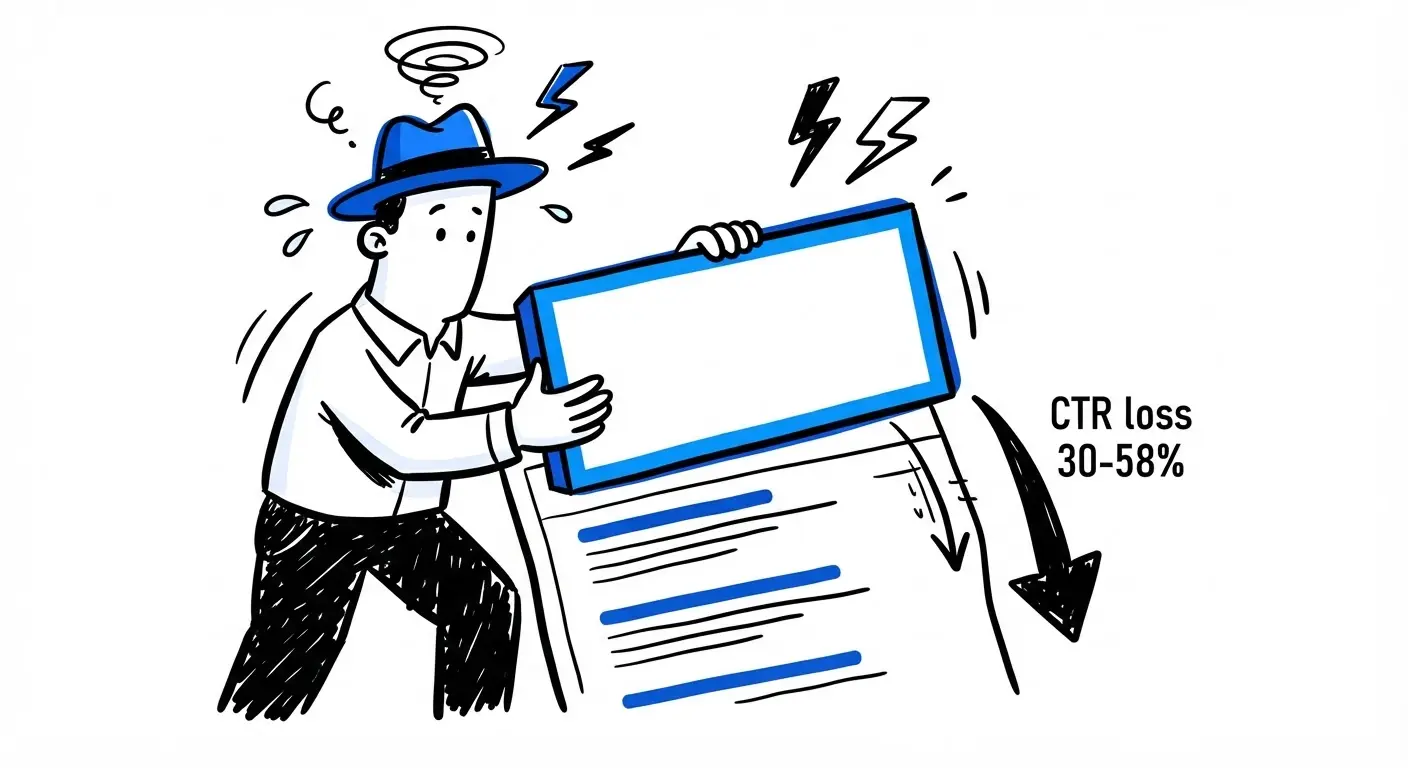
An AI Overview is a generative response block Google inserts above the traditional SERP. The block synthesizes an answer from multiple indexed sources and displays it with citation links. The block appears for queries where Google has high confidence in the synthesized answer.
Per Search Everywhere's 2026 AI Overviews analysis, AI Overviews triggered in 8% of all Google queries and over 35% of informational queries globally as of January 2026. The trigger threshold tightened through 2025 as the model improved.
AI Overview blocks take 400-700 vertical pixels of screen real estate. They push the organic blue-link results below the fold on most desktop and mobile viewports.
Per Digital Web Solutions' 2026 SERP analysis, pages ranking position 1-3 lose 30-58% of their CTR when an AI Overview appears for the query. The CTR loss stacks when both AIO and traditional SERP features appear together.
The trigger conditions
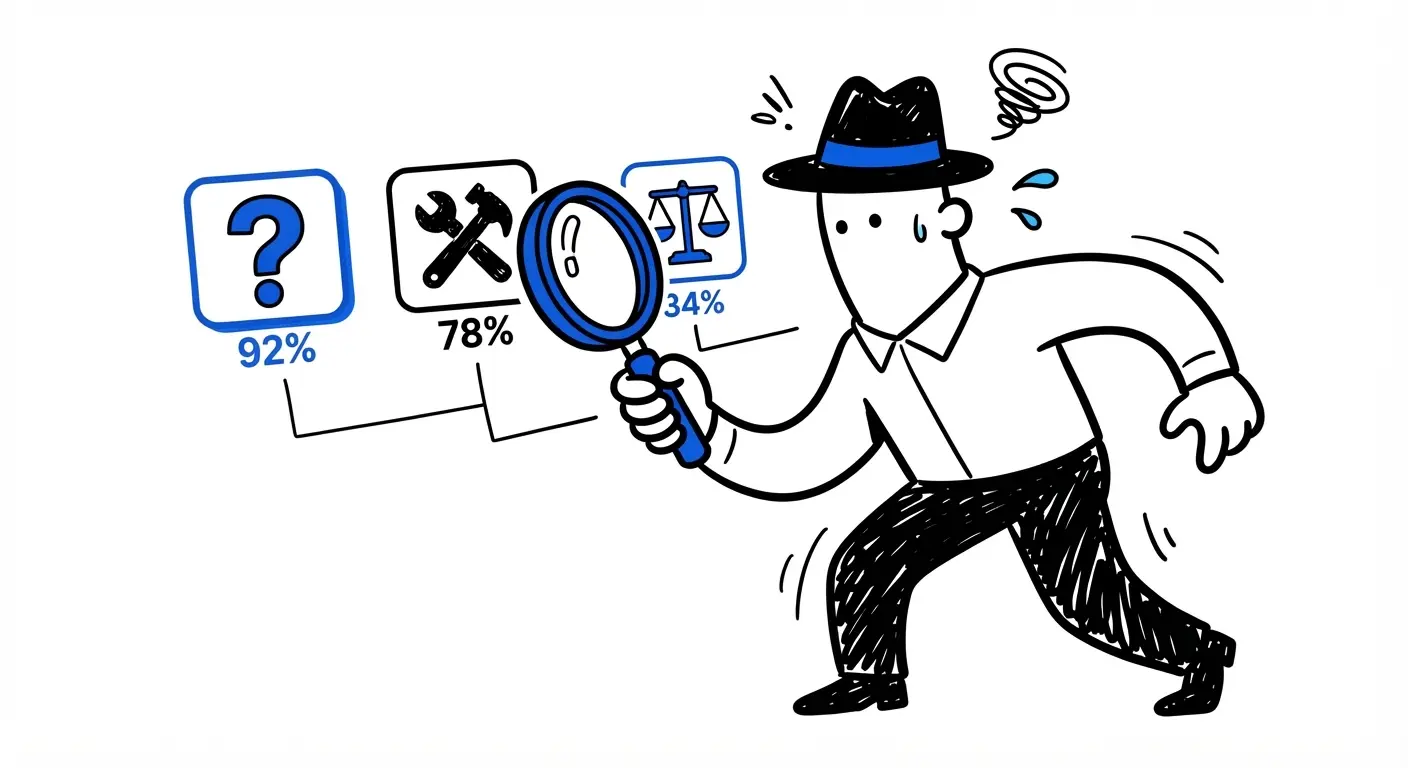
AI Overviews trigger on queries where Google's models have high confidence in a synthesized answer. Per Google's own public statements on AI Overviews, the trigger set includes question-format queries, comparison queries, how-to queries, and informational queries with unambiguous answer sources.
The trigger set is not stable. AI Overviews expanded to commercial comparison queries in late 2025 and to product feature queries in early 2026. Per Digital Web Solutions, the expansion rate roughly doubled across 2025 compared to the prior cycle. The volume shift is rapid.
AI Overviews appear in 92% of "what is" queries, 78% of "how to" queries, and 34% of commercial comparison queries, per Search Everywhere's analysis. Google's own AI Overviews documentation confirms the model targets question-format queries first. The trigger rate varies dramatically by query type. The expansion continues through 2026.
The citation structure
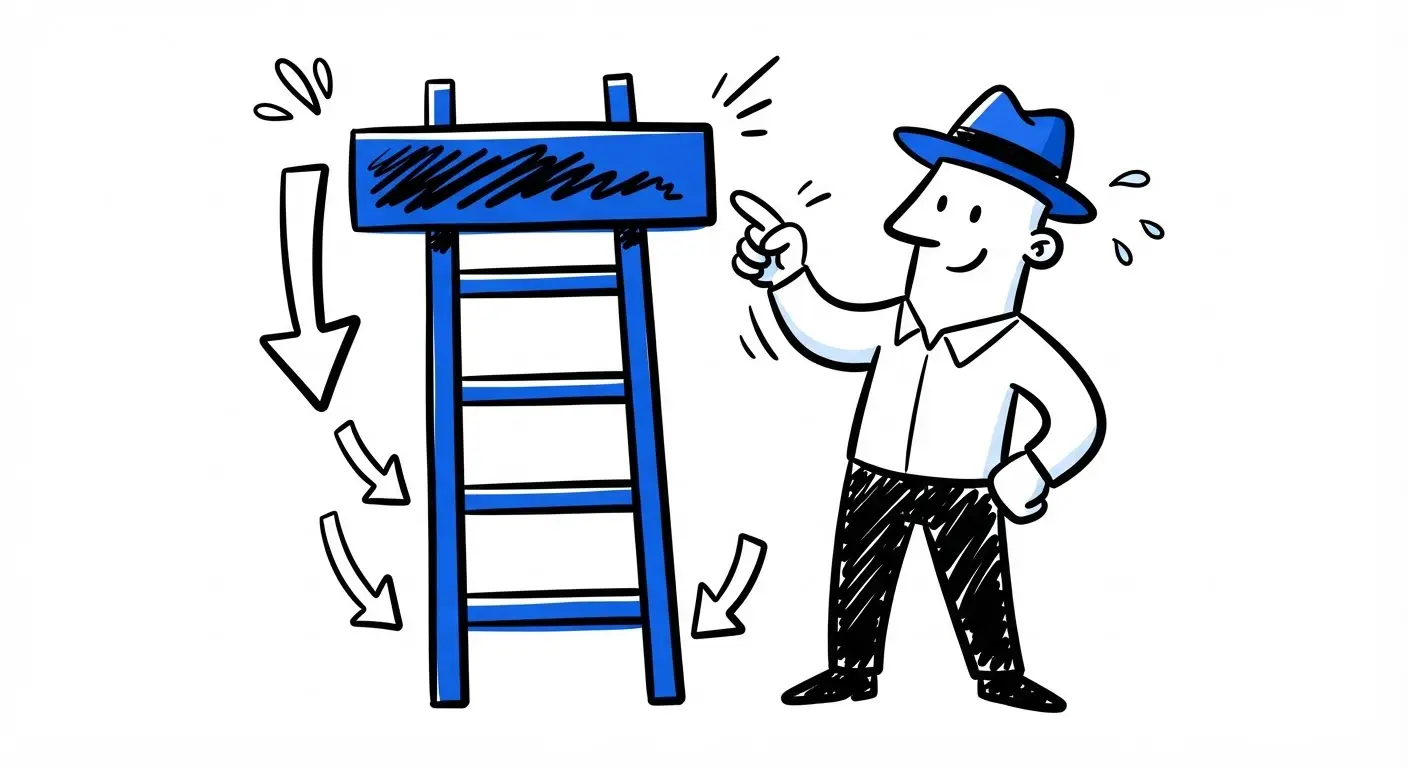
AI Overviews display 4-12 citations alongside the synthesized answer. Citations are numbered links. Cited sources are typically position 1-7 in the traditional organic ranking for the same query, per multiple 2026 SERP analyses.
Citation position matters more than absolute rank. Position 1 within the AI Overview citation block captures roughly 5x the click share of position 5, per Search Everywhere's 2026 AI Overview click-through distribution analysis. High organic rank does not guarantee high AI Overview citation rank.
The cited source list is shifting. The same query can produce different AI Overview citations across searches. The model selects sources per query session based on context, entity associations, and structured data presence.
What changes for SEO practitioners
Traditional rank tracking becomes incomplete. Position 1-3 with no AI Overview presence produces one traffic pattern. Position 1-3 with AI Overview presence produces a different traffic pattern. Per Digital Web Solutions, 2026 SEO requires tracking rank, AIO presence rate, and AIO citation position simultaneously.
The optimization target shifts. The new goal is not rank position 1 but inclusion in the AI Overview citation block. Citation inclusion requires entity markup, structured data validation, FAQ schema, and content patterns the model can extract from.
The traffic split pattern matters. Queries with AI Overviews deliver 30-50% less organic traffic. Queries with AI Overviews where the site is cited in position 1-3 recover some of that traffic through the citation block. The composite traffic pattern is bimodal across query types.
The AI Overview presence scan

You open Search Console and filter queries by those that triggered AI Overviews in the last 90 days. You pull CTR for AIO queries versus non-AIO queries. You compare the two patterns.
You search your top 30 commercial queries in an incognito browser. You record which queries now trigger AIO and which do not. You note whether your site is cited in the AIO citation block for the queries where AIO appears.
Note the gap. This post synthesizes 2025 and 2026 data from three sources: Search Everywhere, Digital Web Solutions, and Google's public AI Overview documentation. Three non-public AI Overview citation selection algorithms remain unpublished. Replication required.
AI Overviews are now part of the SERP. The audit is monthly, not quarterly.
Related Articles
Discover more insights about web development and digital marketing