AI Traffic Reporting: The Complete 2026 Guide
Reporting AI traffic effectively requires new frameworks and data sources. Traditional traffic reports do not capture AI referral patterns. This guide...
Dilshad Akhtar
Published: 24 July 2026
3 min read
TL;DRAI summary
- AI traffic reports should include specific metrics relevant to AI sources.
- Combine multiple data sources for comprehensive AI traffic reporting.
- Structure AI traffic reports for clarity and action.
- Create platform specific sections within your traffic reports.
- Include trend analysis in your AI traffic reports.
- Google Analytics documentation covers custom report building for AI traffic.
- Automate AI traffic report generation to save time.
- Tailor AI traffic reporting to different stakeholder needs.
- Design reports that drive action, not just information.
Reporting AI traffic effectively requires new frameworks and data sources. Traditional traffic reports do not capture AI referral patterns. This guide covers building comprehensive AI traffic reports.
What to Include in AI Traffic Reports

AI traffic reports should include specific metrics relevant to AI sources. Total AI traffic volume shows overall channel importance. Traffic breakdown by AI platform reveals platform specific performance. Engagement metrics highlight traffic quality differences. Conversion data demonstrates business impact. Trend data shows channel direction and growth. Select metrics that support your specific reporting goals.
Data Sources for AI Reporting
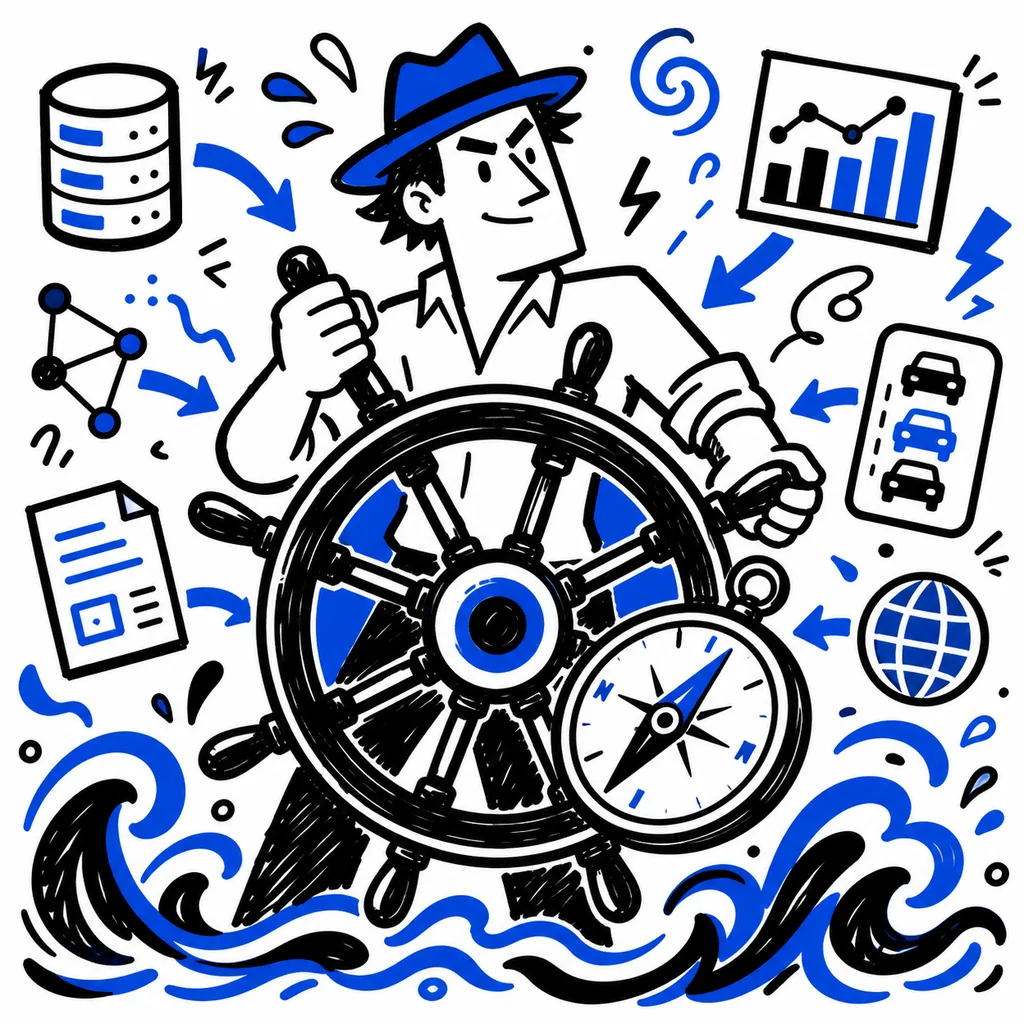
Combine multiple data sources for comprehensive AI traffic reporting. Google Analytics provides referral and engagement data. AI monitoring tools contribute citation and visibility metrics. Search Console offers AI Overview and AI Mode impression data. Custom tracking provides platform specific attribution. Multiple data sources give a complete picture of AI traffic performance.
Report Structure and Segmentation

Structure AI traffic reports for clarity and action. Start with an executive summary of overall AI traffic performance. Follow with platform specific sections for each major AI source. Include competitive comparison data for context. End with recommendations based on data insights. Clear report structure helps stakeholders understand and act on AI traffic data.
Platform Specific Reporting
Create platform specific sections within your traffic reports. Perplexity traffic reports should include citation frequency data. ChatGPT reports should track mention context and referral patterns. Gemini reports need integration with Google ecosystem data. Copilot reports should include Bing Webmaster Tools data. Platform specific reporting enables targeted optimization for each source.
Trend Analysis and Forecasting
Include trend analysis in your AI traffic reports. Track month over month and year over year changes. Identify seasonal patterns in AI traffic volume. Build simple forecasting models based on historical trends. Trend analysis helps stakeholders understand channel direction. It supports resource allocation decisions for AI optimization.
Real URL References
Google Analytics documentation covers custom report building for AI traffic. Search Engine Land published AI traffic reporting templates in 2025. Looker Studio gallery includes AI traffic dashboard examples. BrightEdge research documented AI traffic reporting best practices.
Automated Report Generation
Automate AI traffic report generation to save time. Use Google Analytics scheduled email reports for regular updates. Build Looker Studio dashboards with auto refresh. Configure PDF report generation for executive distribution. Set up alert triggered reports for significant changes. Automation ensures consistent reporting without manual effort.
Stakeholder Communication
Tailor AI traffic reporting to different stakeholder needs. Executives need summary metrics and business impact data. SEO teams need detailed platform specific analysis. Content teams need citation and visibility data. Marketing leadership needs competitive context. Customized communication ensures each stakeholder group gets relevant AI traffic insights.
Actionable Report Components
Design reports that drive action, not just information. Include specific recommendations based on data patterns. Highlight optimization opportunities by platform. Identify content gaps that limit AI traffic growth. Connect report insights to specific action items. Actionable reports justify continued AI traffic investment and optimization.
The AI traffic reporting audit. Note the gap between your current reports and comprehensive AI traffic coverage. Audit quarterly.
Related Articles
Discover more insights about web development and digital marketing