4 min read
Your brand SERP (Search Engine Results Page) is the first impression search engines generate when someone searches for your company name. In 2025, this...
Your brand SERP (Search Engine Results Page) is the first impression search engines generate when someone searches for your company name. In 2025, this surface has evolved far beyond a simple list of blue links. It now includes knowledge panels, sitelinks, video carousels, AI Overviews, job...

Your brand SERP (Search Engine Results Page) is the first impression search engines generate when someone searches for your company name. In 2025, this surface has evolved far beyond a simple list of blue links. It now includes knowledge panels, sitelinks, video carousels, AI Overviews, job listings, and local packs. For developers and SEO professionals, treating the brand SERP as a programmable surface rather than a passive outcome is the difference between leaving traffic on the table and capturing every eligible pixel.
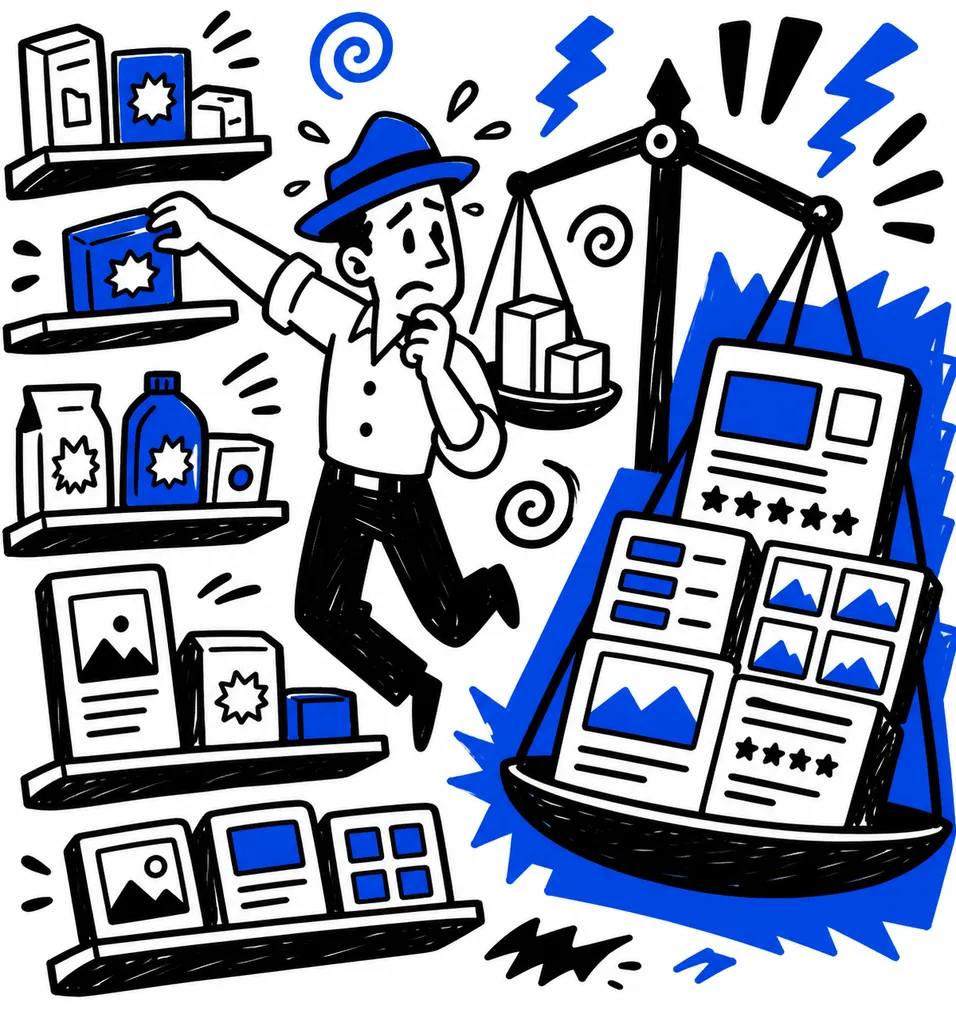
Google's 2025 layout dedicates over 60 percent of above-the-fold real estate to branded SERP features when a knowledge panel or rich sitelink set is active (BrightEdge, 2025). If your brand does not control these elements, the space is filled by third-party review sites, competitor ads, or social media profiles. A well optimized brand SERP establishes trust, drives higher click through rates, and reduces the attack surface for negative SEO or brand impersonation.

Google surfaces up to eight distinct features on a branded query. The most impactful are:
Knowledge Panel. Sourced from Wikidata, Wikipedia, and your own structured data. It appears on roughly 35 percent of brand name searches (Semrush, 2025). You influence it through schema.org markup, verified Google Business Profile data, and authoritative external references.
Sitelinks. These are deep navigation links below your main organic entry. Google automatically generates them based on site structure and user behavior. You guide them by using clear anchor text, logical URL hierarchies, and by blocking low value pages in Search Console.
AI Overview. Google's generative AI summary for branded queries appears when the search intent is informational. It pulls from your top ranked content. If your site provides clear, structured answers, the AI Overview will cite your domain.
Video and Image Carousels. For brands with media content, carousels appear when Google detects video or image first intent. Tagging media with proper schema.org VideoObject and ImageObject markup increases eligibility.
Treat brand SERP monitoring as a recurring technical audit. Use the following four step process.
Step 1. Baseline Capture. Query your brand name and key variants in an incognito browser. Screenshot every feature that appears. Record the URL, feature type, and source domain for each element. Do this across desktop and mobile.
Step 2. Structured Data Audit. Inspect your homepage, About page, and top landing pages for missing schema types. Prioritize Organization, WebSite, BreadcrumbList, SitelinksSearchBox, and VideoObject. Validate all markup with Google's Rich Results Test.
Step 3. Competitor Surface Scan. Search for your brand name plus terms like "review", "complaint", or "jobs". Note which third party sites rank for these branded long tail queries. Each external listing is a surface you can reclaim with owned content or structured data.
Step 4. Change Detection. Set up automated brand SERP tracking using a rank tracker or a custom script that queries the Google Custom Search API. Log changes weekly. A new review site appearing in position 3 is a signal to publish counter content or request removal.
Deploy Sitelinks Search Box. Add WebSite schema with potentialAction to enable inline search from your brand SERP. This feature increases engagement and keeps users on your domain.
Claim Knowledge Panel Ownership. Submit corrections via the "Feedback" link on your knowledge panel. Claim your Google Business Profile if you have a physical presence. Ensure Wikidata entries reflect your brand's official name, logo, and description.
Preempt Negative Surfaces. If a third party site ranks for your brand plus "scam" or "lawsuit", publish a dedicated page on your domain addressing the topic with factual data. Google favors authoritative, original content over unverified third party claims.
Monitor AI Overview Citations. When Google's AI Overview cites your content, ensure the cited page uses clear headers, lists, and succinct definitions. The AI extracts answers from well structured HTML, not from JavaScript rendered content.
Audit your brand SERP today using the structured monitoring framework outlined above. Identify which features are live, which are missing, and deploy structured data or content changes to capture every eligible surface. Reaudit quarterly to keep pace with Google's evolving layout.
Discover more insights about web development and digital marketing