4 min read
A brand SERP is composed of discrete features, each governed by its own eligibility rules, data sources, and rendering logic. For developers, understanding...
A brand SERP is composed of discrete features, each governed by its own eligibility rules, data sources, and rendering logic. For developers, understanding the full feature set is essential because each surface represents a potential entry point for organic traffic that bypasses the traditional...

A brand SERP is composed of discrete features, each governed by its own eligibility rules, data sources, and rendering logic. For developers, understanding the full feature set is essential because each surface represents a potential entry point for organic traffic that bypasses the traditional ten blue links. This post breaks down every significant brand SERP feature in 2025, how it gets triggered, and the technical steps required to claim it.
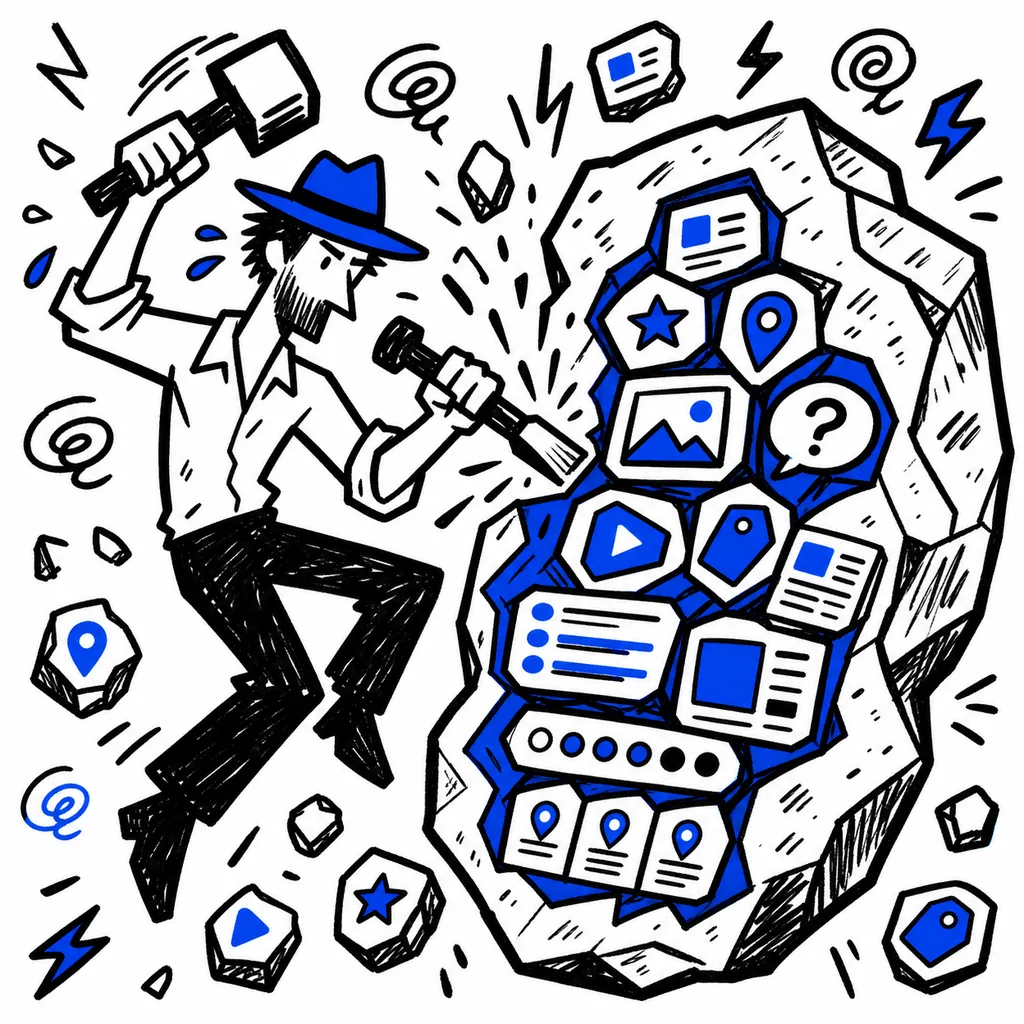
Google surfaces up to 12 distinct feature types on branded queries (Google Search Central, 2025). The exact set varies by query intent, device type, and user location. Below is the complete catalog organized by data source dependency.
Sitelinks. A maximum of six links displayed beneath the primary organic result. Google generates sitelinks algorithmically using your site's internal link graph, URL structure, and anchor text distribution. You cannot manually set sitelinks, but you strongly influence them by maintaining a shallow information architecture and using descriptive anchor text internally. Block irrelevant pages via the "sitelinks" section in Search Console.
Sitelinks Search Box. An inline search field within your organic result. Triggered exclusively by WebSite schema with the potentialAction property (Schema.org, 2025). This is one of the few brand SERP features with a deterministic trigger: implement the schema correctly and the search box appears within days on desktop and mobile.
Breadcrumbs. Rich breadcrumb trails in search results. Powered by BreadcrumbList schema. They improve perceived relevance and can increase CTR by up to 5 percent.
Logo and Organization Details. Your brand logo appears in the knowledge panel or alongside sitelinks when you implement Organization schema with the logo property and provide a Google Business Profile with a verified logo image.
Product Carousels. For commerce brands, product carousels appear for branded queries with purchase intent. Powered by Product schema with offer, price, and availability fields.
Knowledge Panel. Sourced from Wikidata, Wikipedia, and Google's Knowledge Graph. It appears on approximately 35 percent of branded queries (Ahrefs, 2025). You cannot directly edit the knowledge panel, but you can submit corrections via the "Suggest edit" link. Ensuring your Wikidata entry is accurate and your Wikipedia page (if applicable) is well maintained are the strongest indirect controls.
Knowledge Panel Events. For brands with upcoming events, Google surfaces event dates from Event schema or from publicly indexed event pages. Prioritize Event schema on your ticket or registration pages.
Local Pack. If your brand has a physical location, the local pack appears for branded queries with local intent. Powered by Google Business Profile data. Ensure GBP categories, hours, and contact information match your website exactly.
AI Overview. Google's generative AI summary appears above all organic results for informational branded queries. The AI Overview cites sources from the top ten search results. If your content uses clear definitions, lists, and question answering structures, it is more likely to be cited.
Video Carousel. Triggered when Google detects video content relevant to your brand. Requires VideoObject schema with a valid thumbnail URL, duration, and description. Google prefers videos hosted on YouTube for carousel inclusion.
Image Pack. A horizontal row of images. Google pulls these from pages with ImageObject schema or from Google Business Profile photos. Optimize image filenames, alt text, and captions to increase eligibility.
People Also Ask (PAA). An accordion style feature that surfaces related questions. For branded queries, PAA often includes questions about product features, pricing, and support. You can influence PAA content by publishing dedicated FAQ sections with FAQPage schema.
Top Stories. For brands in news, media, or frequently updated industries, the Top Stories carousel appears when Google detects fresh indexed content. Implementing NewsArticle schema with accurate datePublished values improves eligibility.
Job Listings. For brands actively hiring, job listings appear in a dedicated carousel. Requires JobPosting schema with valid salary, location, and hiring organization data.
Recipe and How To. For brands in food, DIY, or instructional spaces, HowTo schema triggers rich result cards with step by step instructions and total time.
Prioritize features by implementation effort and traffic impact. The highest ROI sequence is: (1) Organization schema + WebSite schema + Sitelinks Search Box, (2) BreadcrumbList on all templates, (3) Google Business Profile verification, (4) Product or VideoObject schema depending on your vertical, (5) Wikidata and Wikipedia maintenance if applicable.
Run a brand SERP audit on your domain this week. Document which features are present, which are absent, and prioritize the structured data additions that unlock the highest impact surfaces. Repeat the audit after each core update.
Discover more insights about web development and digital marketing