Category page internal links: The Complete 2026 Guide
Internal linking is the circulatory system of your website, and category pages are the major arteries. The links that flow into, out of, and between...
Dilshad Akhtar
Published: 11 July 2026
3 min read
TL;DRAI summary
- Internal linking is the circulatory system of your website, and category pages are the major arteries.
- Category pages sit at the hub of a site's link graph.
- Every top-level category must appear in the main navigation with descriptive anchor text.
- Each category should link to its immediate subcategories to pass equity deeper into the hierarchy.
- Links higher in the DOM pass more equity.
- Does every category page appear in the main navigation or a subnavigation?
- Internal links are the most controllable ranking factor in SEO.
Internal linking is the circulatory system of your website, and category pages are the major arteries. The links that flow into, out of, and between category pages determine how link equity propagates through your site, which pages Google considers most important, and how efficiently crawlers...
Overview

Internal linking is the circulatory system of your website, and category pages are the major arteries. The links that flow into, out of, and between category pages determine how link equity propagates through your site, which pages Google considers most important, and how efficiently crawlers discover content. Getting the internal link structure right for category pages is one of the highest-impact SEO actions available.
This guide covers the strategies and technical patterns for category page internal linking in 2026.
The role of category pages in the link graph
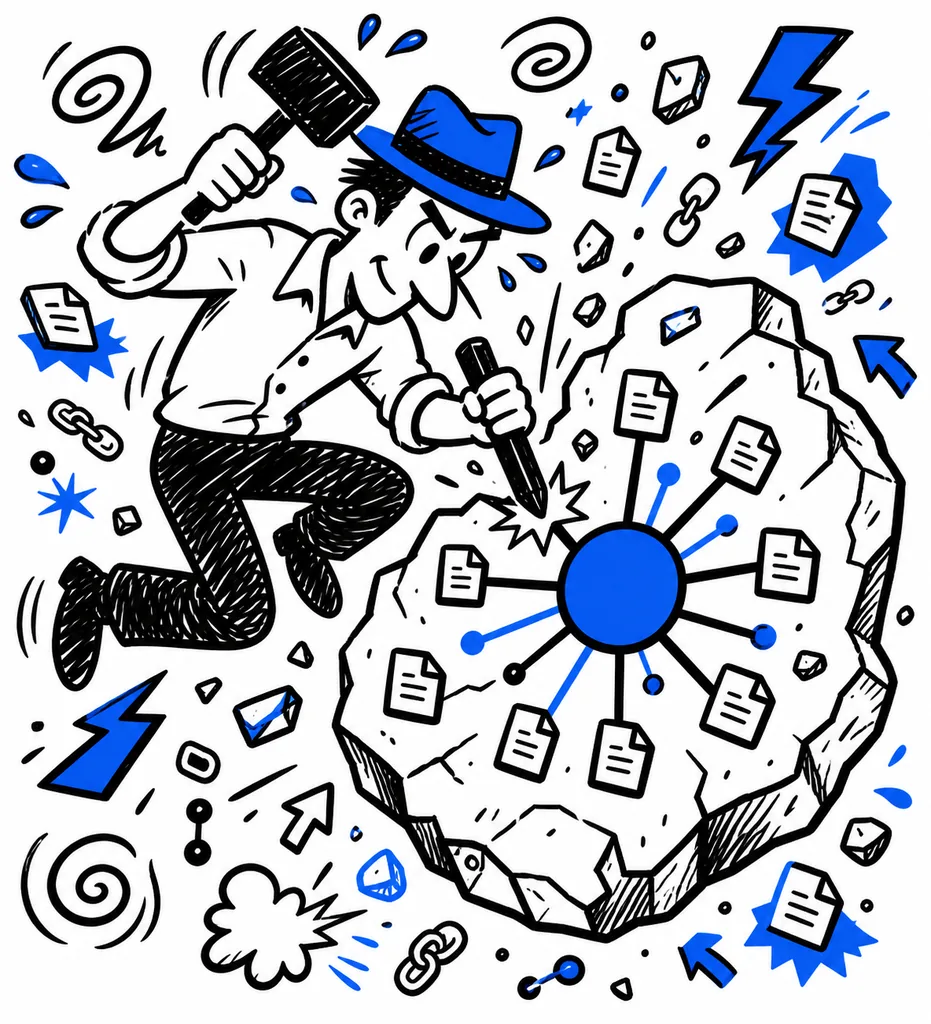
Category pages sit at the hub of a site's link graph. They receive link equity from the homepage, main navigation, and blog content. They distribute that equity to subcategories and product pages. A strong category page concentrates authority and passes it downward, elevating the entire subtree it represents.
A 2025 study by Internet Marketing Ninjas found that category pages received an average of 68 percent of their internal link equity from navigation elements (Internet Marketing Ninjas, 2025). Sites that supplemented navigation links with contextual links from blog posts and guides saw 31 percent higher organic traffic.
A 2025 case study by Ahrefs further confirmed that category pages with strong internal link profiles ranked for 44 percent more target terms than those relying solely on navigation links (Ahrefs, 2025).
Inbound linking strategies
Every top-level category must appear in the main navigation with descriptive anchor text. Breadcrumbs provide reverse link flow that reinforces higher-level categories; every product and subcategory page should include breadcrumbs linking back. Blog posts and guides should link to relevant categories with contextual anchor text, as editorial links carry more weight than navigation links.
Outbound linking from categories
Each category should link to its immediate subcategories to pass equity deeper into the hierarchy. Feature two to six products with direct links at the top for an equity boost. Cross-link related categories to create topical clusters and strengthen domain authority.
Technical considerations
Links higher in the DOM pass more equity. Prioritize primary links early in the HTML. Use varied anchor text across contexts to avoid algorithmic patterns. Noindexed category pages should still use follow links to preserve equity flow.
A 2026 Search Engine Land study found that sites using a hub-and-spoke model, with category pages linking to both parent and child pages, indexed 40 percent more pages than sites using flat linking structures (Search Engine Land, 2026).
Audit checklist
- Does every category page appear in the main navigation or a subnavigation?
- Are breadcrumbs present on every category and product page?
- Do blog posts and guides link to relevant category pages?
- Does each category page link to its subcategories?
- Are featured products linked from the category page?
- Is anchor text varied across different linking contexts?
- Are related categories cross-linked?
- Are noindexed category pages still using follow links?
Closing
Internal links are the most controllable ranking factor in SEO. Category pages deserve disproportionate attention in your internal linking strategy because of their hub role in the site architecture. Map your internal link graph, identify orphaned categories, and systematically strengthen the links that flow through your category pages. A quarterly internal link audit focused on categories will compound into significant ranking improvements over time.
Last updated: June 2026
Related Articles
Discover more insights about web development and digital marketing