Evolution of SEO from 1990s to 2026
Trace how SEO evolved from directory submissions to AI-first search across four distinct eras, what changed in each shift, and how to audit your site against each era's requirements.
Dilshad Akhtar
Last updated: 11 July 2026
5 min read
TL;DRAI summary
- SEO evolved from directory submission to link engineering to content depth to entity authority across four eras
- Google's PageRank reframed SEO around link authority, a shift that lasted more than a decade
- BERT and MUM shifted ranking from keyword matching to query intent matching
- AI Overviews correlate with a 58% lower CTR for the top-ranking page, changing the optimization target from rank position to citation inclusion
- AI Mode queries grew 4x month-over-month between March and May 2026, signalling a structural shift
SEO existed before Google. The early web was indexed by hand-built directories and keyword matchers, and the discipline started as submission engineering. By 2026, four distinct eras have reshaped what it means to optimize for search, with AI Overviews now collapsing organic CTR while citation inclusion becomes the new target.
The eras without dates
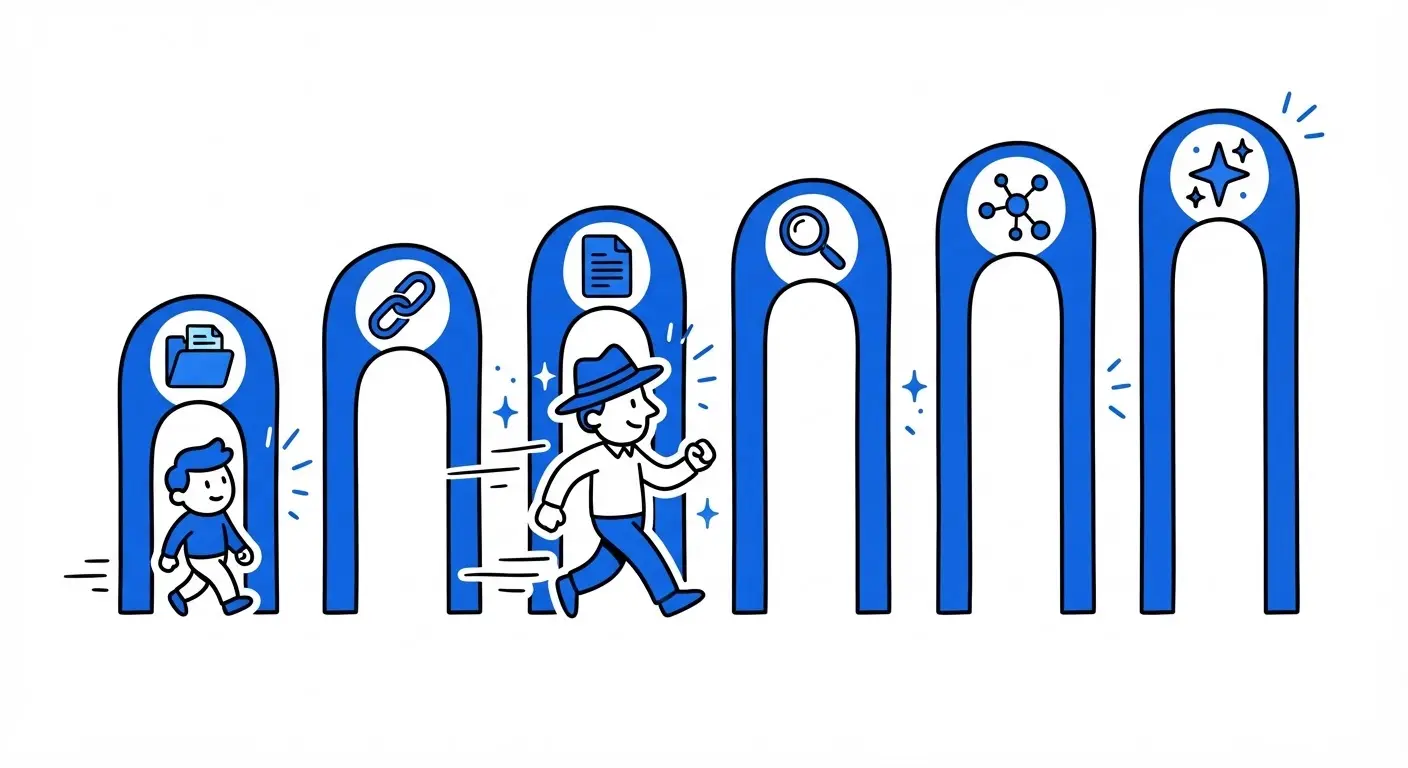
SEO existed before Google. The early web was indexed by hand-built directories and AltaVista-style keyword matchers. The discipline started as submission engineering. Submit a URL to the right directories and the traffic followed.
Google's PageRank arrived in the late search era and reframed the discipline around link authority. The era that followed lasted more than a decade. PageRank was the dominant signal.
Reciprocal link networks and link farms emerged as the first generation of manipulation tactics. Google fought back with algorithm refinements over many years.
The shift to machine learning rankings began in the recent ranking era and accelerated across the past decade. By 2026, Google's ranking system is a layered ensemble of neural and classical signals with hundreds of inputs, per Search Engine Land's algorithm architecture coverage.
The arc is structural. The discipline moved from directory submission to link engineering to content depth to entity authority. Each era added new inputs without removing the old ones entirely.
What changed in each shift
Link authority gave way to content relevance when Google introduced semantic matching across the search corpus. Pages with thin content lost ranking even with strong link profiles. Content quality rose as the dominant signal.
Content relevance then gave way to intent matching. Google's BERT and MUM updates shifted the ranking focus from keyword matching to query intent. Pages that answered the intent behind the query outranked pages that matched keywords mechanically.
Intent matching gave way to entity authority in the most recent era. Search engines now score sites on entity associations and source diversity. Per Contengi's 2026 SEO trends analysis, pages with explicit entity markup and citation patterns outrank pages with implicit signals.
The eras overlap. Each shift added new ranking inputs without removing the previous era's signals entirely. Modern ranking uses hundreds of features layered together.
The AI search era changed the goalposts again
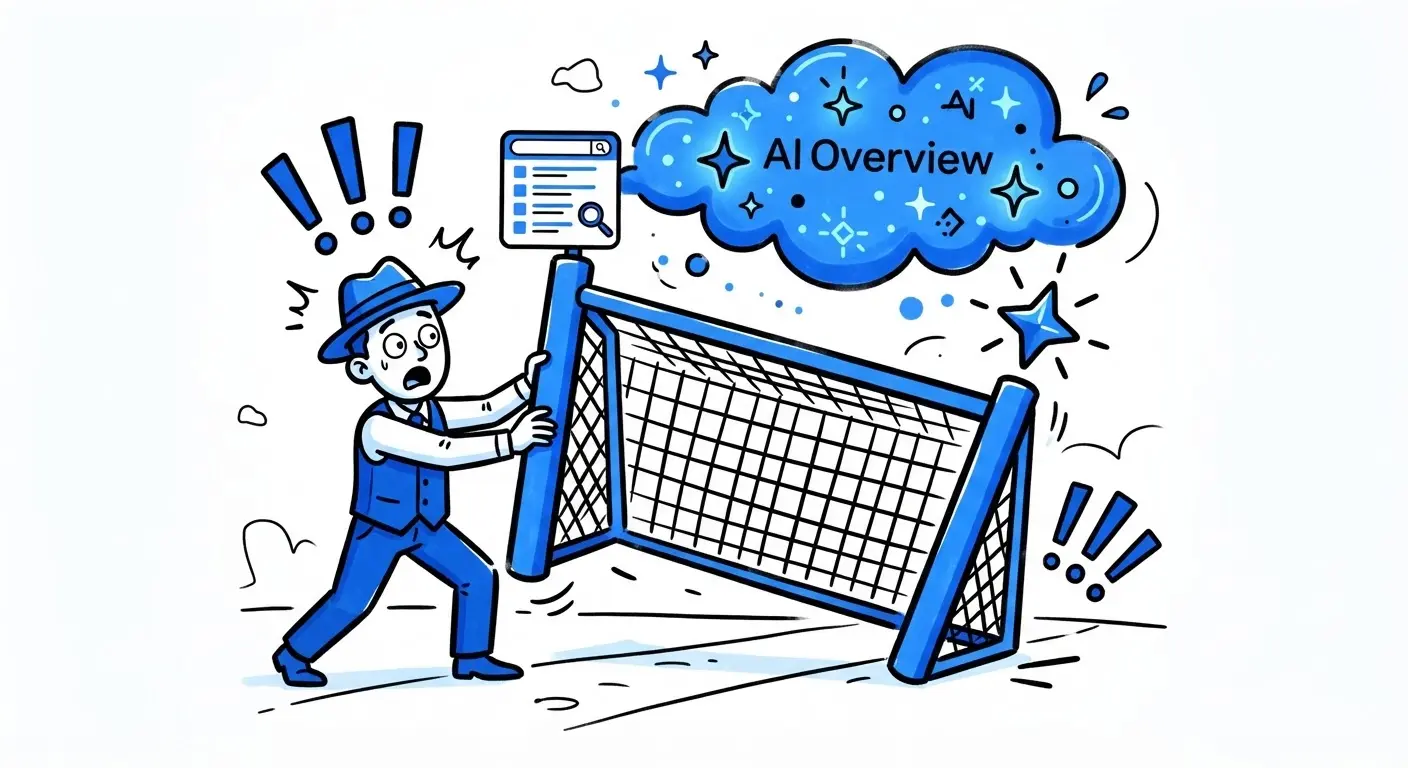
AI Overviews landed in the recent past and reduced clicks to top-ranking pages by 58% on queries where AIO appears, per Ahrefs' February 2026 update. The era shift is not theoretical. It is in the data.
Rank position still matters. Citation inclusion in the AI Overview matters more. The new optimization target is not rank on a SERP but inclusion in a synthesized answer.
Per Time's May 2026 analysis of Google's AI Search shift, AI Mode queries grew 4x month-over-month between March and May 2026. The volume is real. The shift is structural, not experimental.
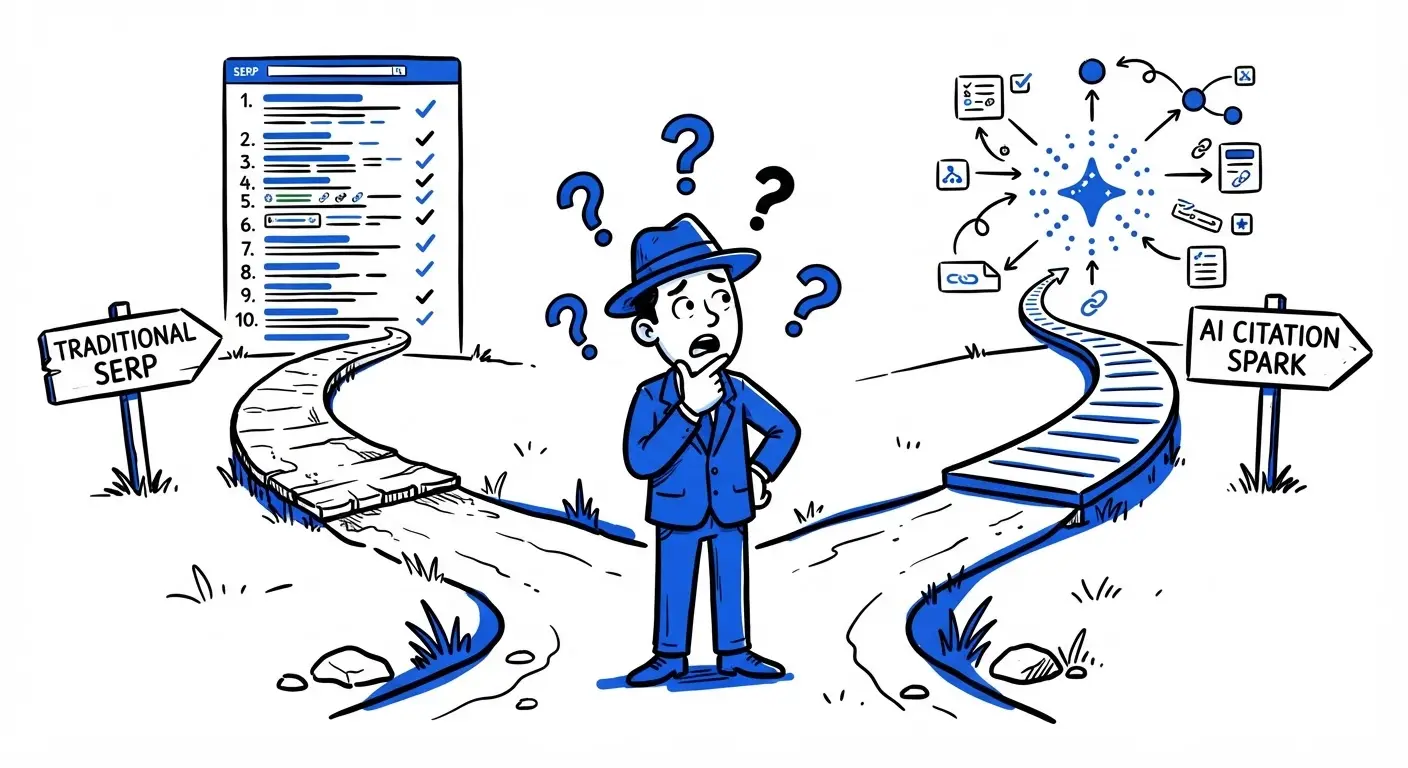
The discipline is splitting. Some practitioners tune for traditional rank. Others tune for AI citation. The two require different inputs and different measurement models. Most sites need both.
The Wayback Machine dive
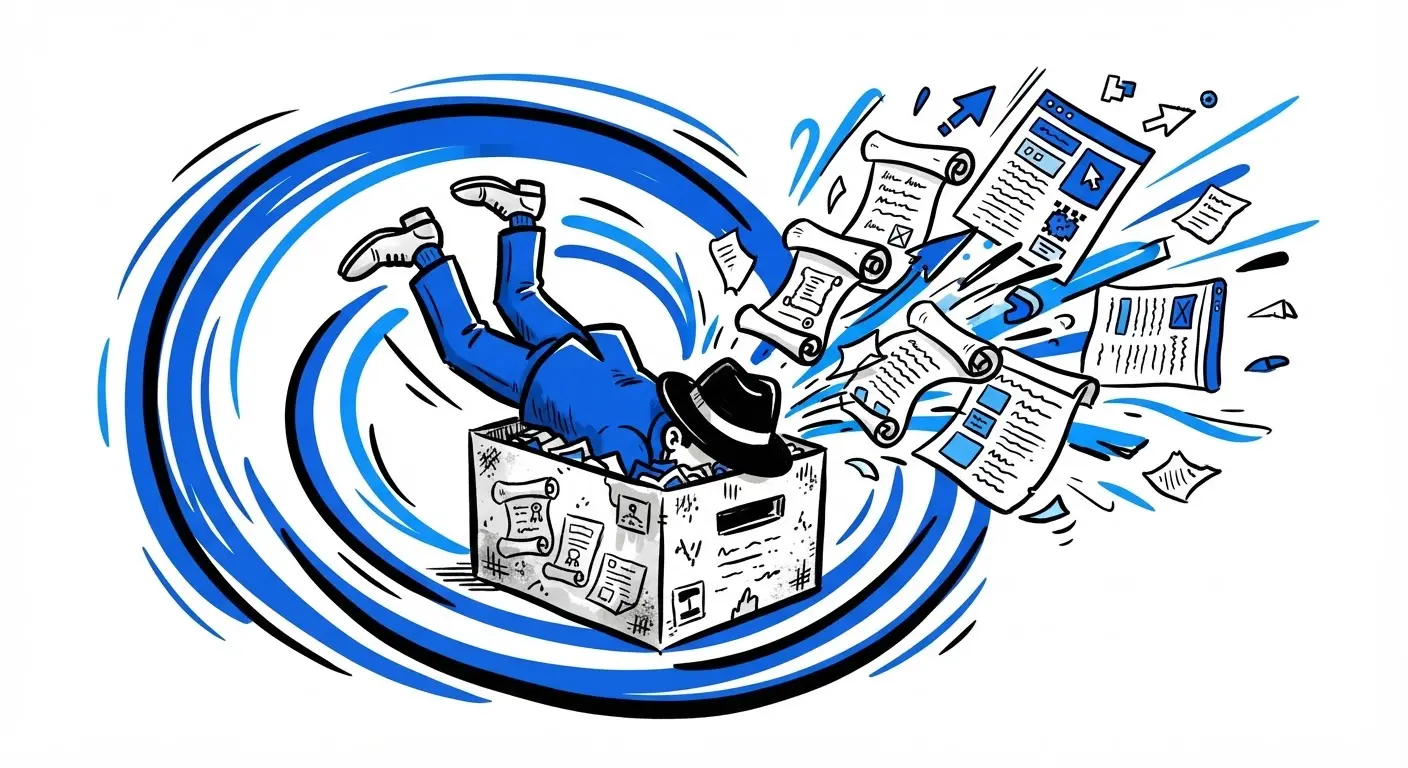
You open web.archive.org and pull your oldest indexed page. You check the earliest archived snapshot. You note the title tag, the meta description, the URL structure. You compare to today's version. The differences tell you what the discipline has learned since.
You check a competitor's oldest page. You pull a later archived snapshot. You compare their evolution to yours. The gaps reveal which algorithmic eras hit them harder than you. You document the patterns.
This post synthesizes 2025 and 2026 data from four sources: Search Engine Land, Ahrefs, Contengi, Time. Several primary sources on 2026 ranking signal weights remain non-public as of writing. Replication required.
The discipline did not evolve in straight lines. Each era added layers. Audit which layers you have not yet built.
Related Articles
Discover more insights about web development and digital marketing