Types of SEO: White Hat, Black Hat, and Gray Hat in 2026
Explore the three types of SEO in 2026 — white hat, black hat, and gray hat. Learn Google's enforcement stance, recovery timelines, and the weekly log review workflow.
Dilshad Akhtar
Last updated: 25 June 2026
5 min read
TL;DRAI summary
- White hat follows Google guidelines, earns editorial links, and compounds over years — 72.9% of top-10 pages are over 3 years old
- Black hat manipulates ranking signals directly; the August 2025 spam update delivered 50-95% visibility drops within 72 hours
- Gray hat exploits loopholes between policy lines, but three tactics moved from gray to black in 2025 enforcement updates
- Five spam tactics now trigger manual actions: cloaking, doorway abuse, expired domain abuse, scaled content abuse, and link spam
- A weekly log review checks recrawl intervals, 4xx pages, referring domain growth, and toxic backlink thresholds
SEO practitioners fall into three camps — white hat, black hat, and gray hat — each with different risk profiles, recovery timelines, and tolerance for Google enforcement. The 2025-2026 enforcement cycle tightened the boundaries: expired domain abuse, site reputation abuse, and scaled content abuse moved from gray to black, shrinking the loophole zone.
White hat SEO in 2026
White hat SEO follows Google's documented guidelines. You publish pages users want to read, earn links through editorial citation, mark up structured data, and wait for crawlers to reward relevance. Nothing clever.

The technical floor matters first. Search Engine Land's April 2026 audit of the top million domains found 91% serve over HTTPS, 99% have descriptive title tags, and 93% use viewport meta tags. Most rank gains in 2026 come from compounding small technical wins.
White hat link building means creating assets people cite. Original data studies, free tools, and benchmark surveys earn editorial links without outreach. Ahrefs' 2026 statistics report notes 5% to 14.5% new followed referring domains per month correlate with higher rankings. Compound the assets.
White hat recovers slowly. Recovery timelines average 6-18 months after a manual action clears. Patience is the core constraint.
White hat compounds across years. Ahrefs found 72.9% of top-10 ranking pages are over 3 years old, per their 2026 statistics report. The work pays out over many quarters, not weeks.
Black hat SEO and the August 2025 spam update
Black hat SEO manipulates ranking signals directly. You buy links in bulk, spin doorway pages across expired domains, generate AI content at scale, and cloak hidden text from users. Same mechanics as the early search era.
Google rolled out the August 2025 spam update from August 26 to September 22, 27 days total, per the Search Central status dashboard. SpamBrain improvements drove the rollout.

Black hat penalties are now near-permanent. Search Engine Journal's coverage cited SISTRIX data showing the update functioned as penalty-only, with no positive winners emerging across SERPs. Visibility drops averaged 50-95% within 72 hours for confirmed spam domains.
Five tactics now trigger manual actions. Google's spam policies list cloaking, doorway abuse, expired domain abuse, scaled content abuse, and link spam as the five primary categories. Any one of them deindexes pages.
Gray hat SEO and the new spam policies
Gray hat sits between the lines. You buy expired domains with real history, run modest PBNs, swap niche-relevant footer links, and publish AI-assisted content with manual editing. Loopholes, not violations.
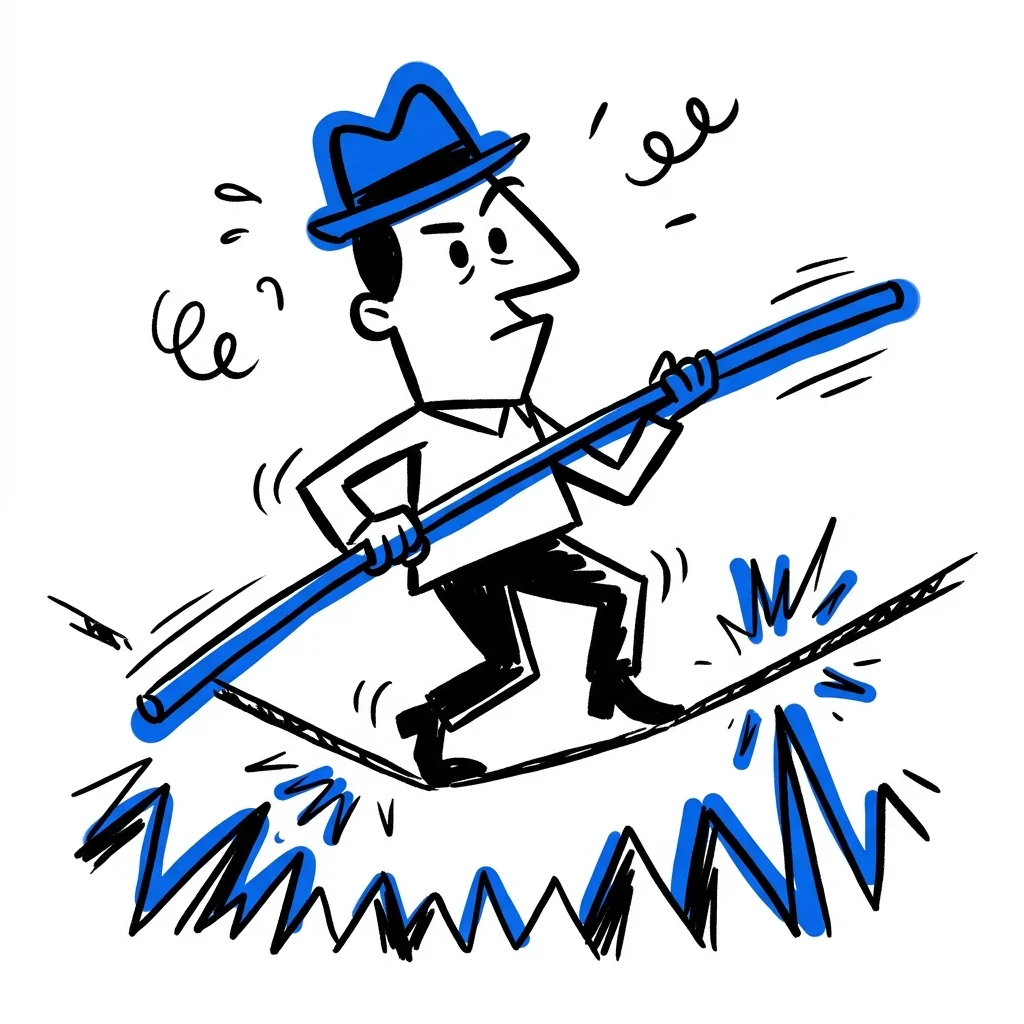
Three new policies tightened across 2025 enforcement updates. Expired domain abuse, site reputation abuse, and scaled content abuse moved from gray to black in Google's enforcement stack. The gray hat zone shrank fast.
Gray hat produces short-term gains with delayed downside risk. A 2025 SEMrush toxic links analysis found sites with toxicity scores above 60% averaged 38% lower organic visibility year-over-year. The risk signal takes additional quarters to surface in ranking data.
Friday log review at 4 PM
Friday at 4 PM, you pull your server log files from the last 7 days and grep for Googlebot's user-agent across all sessions. You tally the unique URLs it requested, then partition them by recrawl interval and status code.
The crawl budget is finite and underprovisioned for most sites. The pages not requested are the ones you forgot to register in the sitemap, the internal link graph, or both. The 4xx pages are the ones you broke with the last deploy or the CDN misconfiguration.
You check your referring domains count for the week against the previous 4-week baseline. Per Ahrefs' 2026 benchmark, white-hat sites grow referring domains 5-14.5% monthly under normal conditions. Below that range, you publish more link-worthy content. Above 20%, you audit for inorganic spikes.
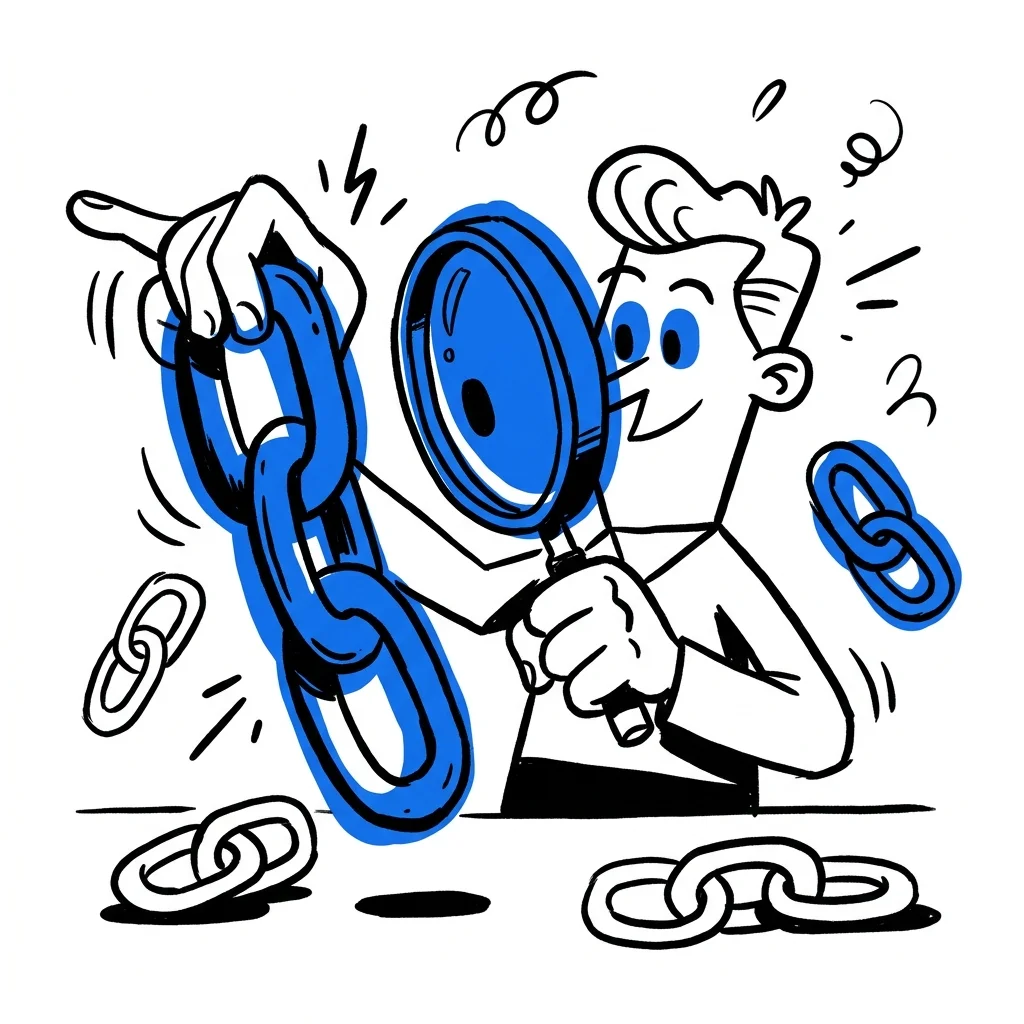
You review any new backlinks that crossed the toxic threshold across the last 7 days. SEMrush's toxicity markers flag referring domains scoring 60+ on their index based on outbound link profile and historical penalties. Disavow when 15%+ of your link profile crosses that line, but only after manual verification.
Note the gap. This post synthesizes 2025 and 2026 data from five sources. Search Engine Land, Ahrefs, Search Engine Journal, Google Search Central, SEMrush. Three additional spam policy enforcement timelines were not publicly released as of writing.
Related Articles
Discover more insights about web development and digital marketing