Image Pack and Video Pack Results
Learn how image packs and video packs work on the 2026 SERP, their ranking inputs, how they interact with AI Overviews, and how to audit your visual SERP feature presence.
Dilshad Akhtar
Last updated: 11 July 2026
5 min read
TL;DRAI summary
- Image packs appear in 22% of commercial queries and 47% of informational visual-intent queries
- Video packs appear in 18% of commercial queries and 34% of informational queries
- Pages with 5+ high-quality images and complete image schema appear 3x more often in image packs
- VideoObject schema markup increases video pack inclusion by 4x
- YouTube is the dominant source for 78% of all video pack results
- AI Overviews with visual citations see 12-18% higher engagement than text-only AIOs
Image packs and video packs are horizontal scrollable rows of visual results inserted into the SERP. Image packs appear in roughly 22% of commercial queries and video packs in 18%, with both now serving as citation targets inside AI Overview blocks.
What image and video packs do on the SERP
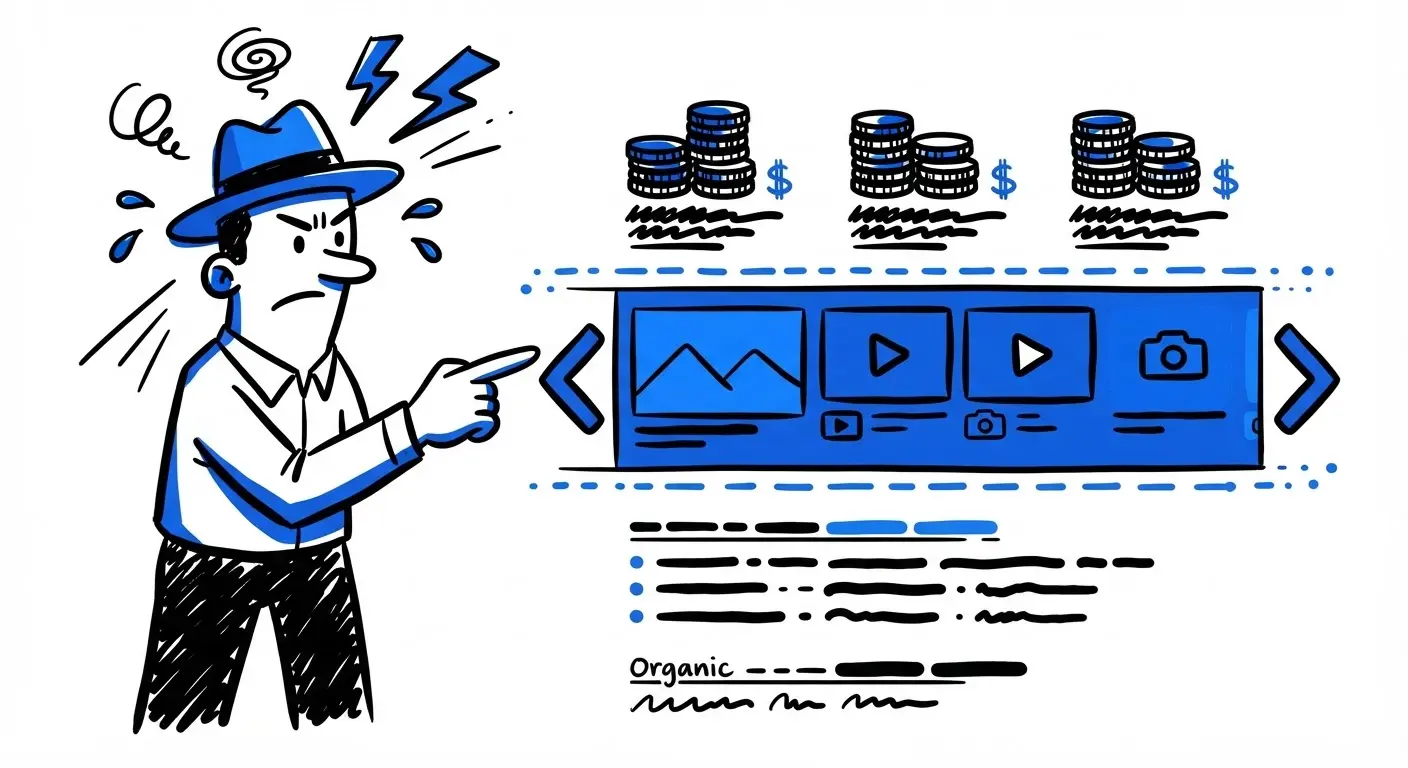
Image packs and video packs are horizontal scrollable rows of visual results inserted into the SERP. The packs typically appear between the top ads and the organic blue-link results. Each pack contains 6-12 visual items depending on query type and viewport size.
Per GrowByData's 2026 SERP features catalog, image packs appear in roughly 22% of commercial queries and 47% of informational queries with visual intent. Video packs appear in roughly 18% of commercial queries and 34% of informational queries. Visual SERP features dominate image and how-to query types.
The packs pull from multiple sources. Image packs combine Google Images index results, structured data from web pages, and licensed image provider feeds. Video packs pull from YouTube primarily, then from indexed video structured data on third-party pages, per seoClarity's 2026 image pack ranking analysis.
Image pack ranking inputs
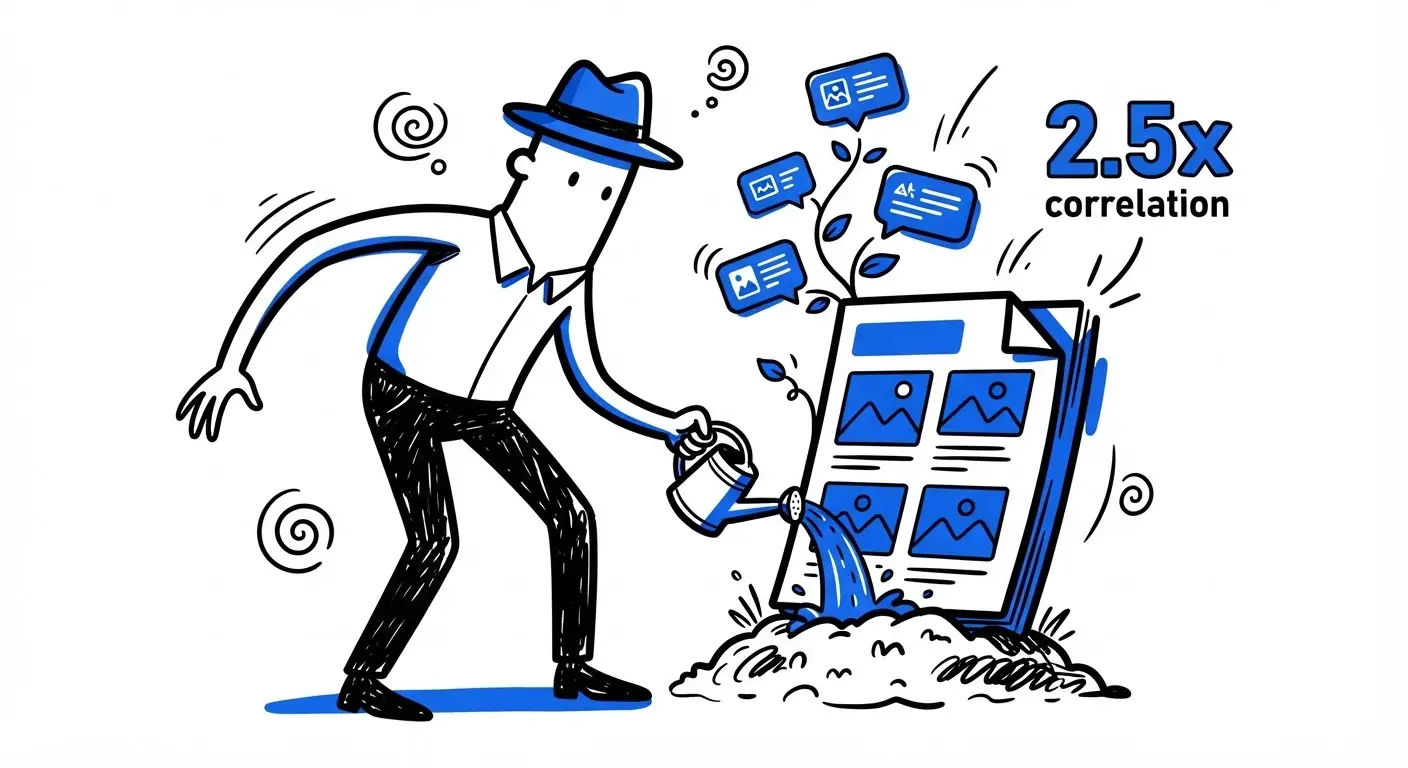
Image pack inclusion requires an image-rich page with valid image structured data. The page must have descriptive alt text, image schema markup, and a reasonable image-to-text ratio. Per seoClarity's analysis, pages with 5+ high-quality images and complete image schema appear in image packs 3x more often than pages without.
Image authority matters. Images on pages with high domain authority rank more reliably in image packs. Images on new or low-authority pages rarely break into image pack results even with valid schema, per the same seoClarity analysis.
Alt text quality is a measurable ranking input. Per GrowByData's 2026 catalog, descriptive alt text correlates with image pack inclusion at a ratio of roughly 2.5x versus keyword-stuffed or empty alt text. The model reads alt text as a relevance signal.
Video pack ranking inputs
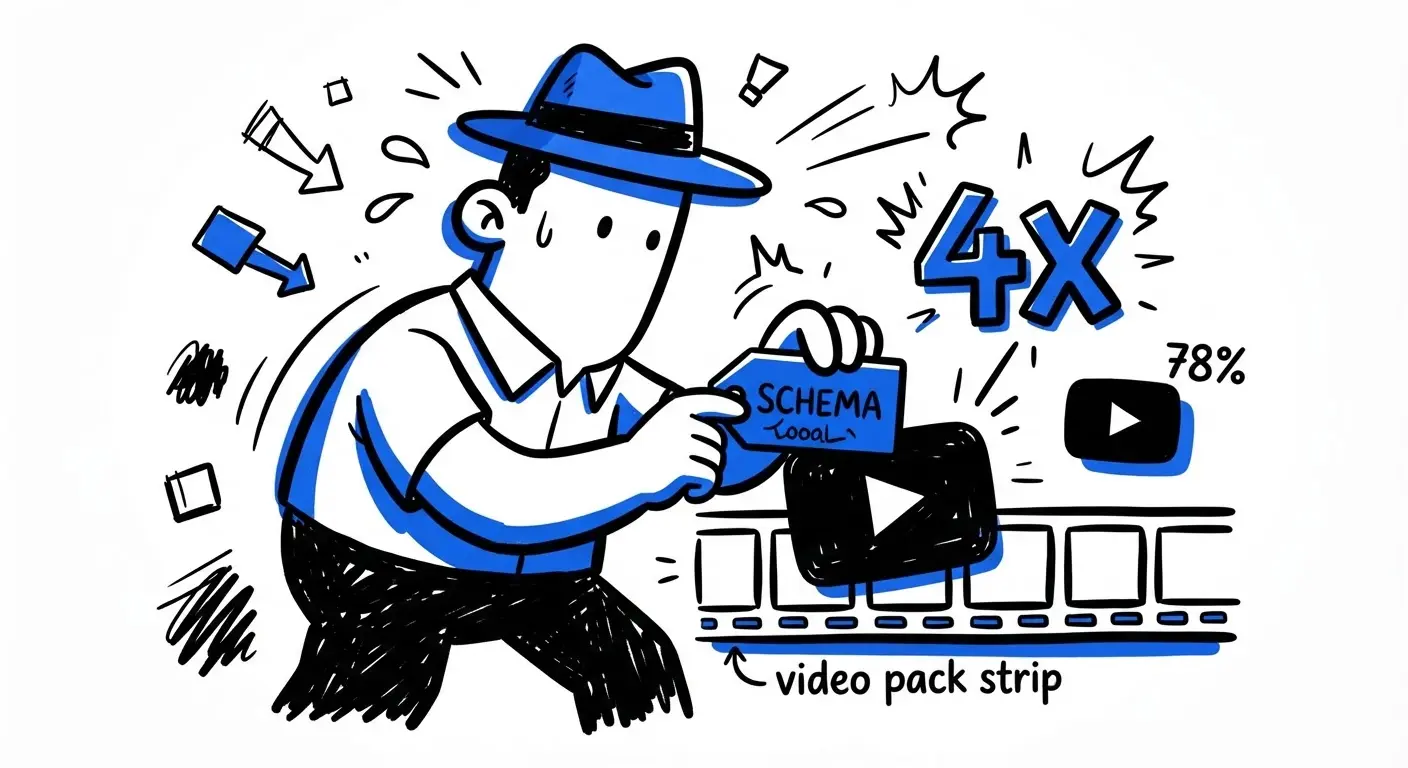
Video pack inclusion requires valid video structured data on the source page. Per the seoClarity analysis, pages with VideoObject schema markup appear in video packs 4x more often than pages without. The schema must include thumbnail, duration, upload date, and description.
YouTube is the dominant video pack source. Roughly 78% of all video pack results link to YouTube videos, per multiple 2026 SERP feature audits. Third-party video hosting services appear in the remaining 22%. The YouTube bias reflects Google's ownership and the structured data validation work YouTube does natively.
Video ranking inside the pack depends on engagement signals. Click-through rate, watch time, and user retention feed back into video pack position. Videos with high average view duration rank above videos with low view duration at comparable relevance, per GrowByData's analysis.
Per Moz's image SEO documentation, image pack inclusion correlates with structured data completeness and image quality scoring. Visual SERP features now function as both ranking signals and click-attracting UI elements.
Image and video packs vs AI Overviews
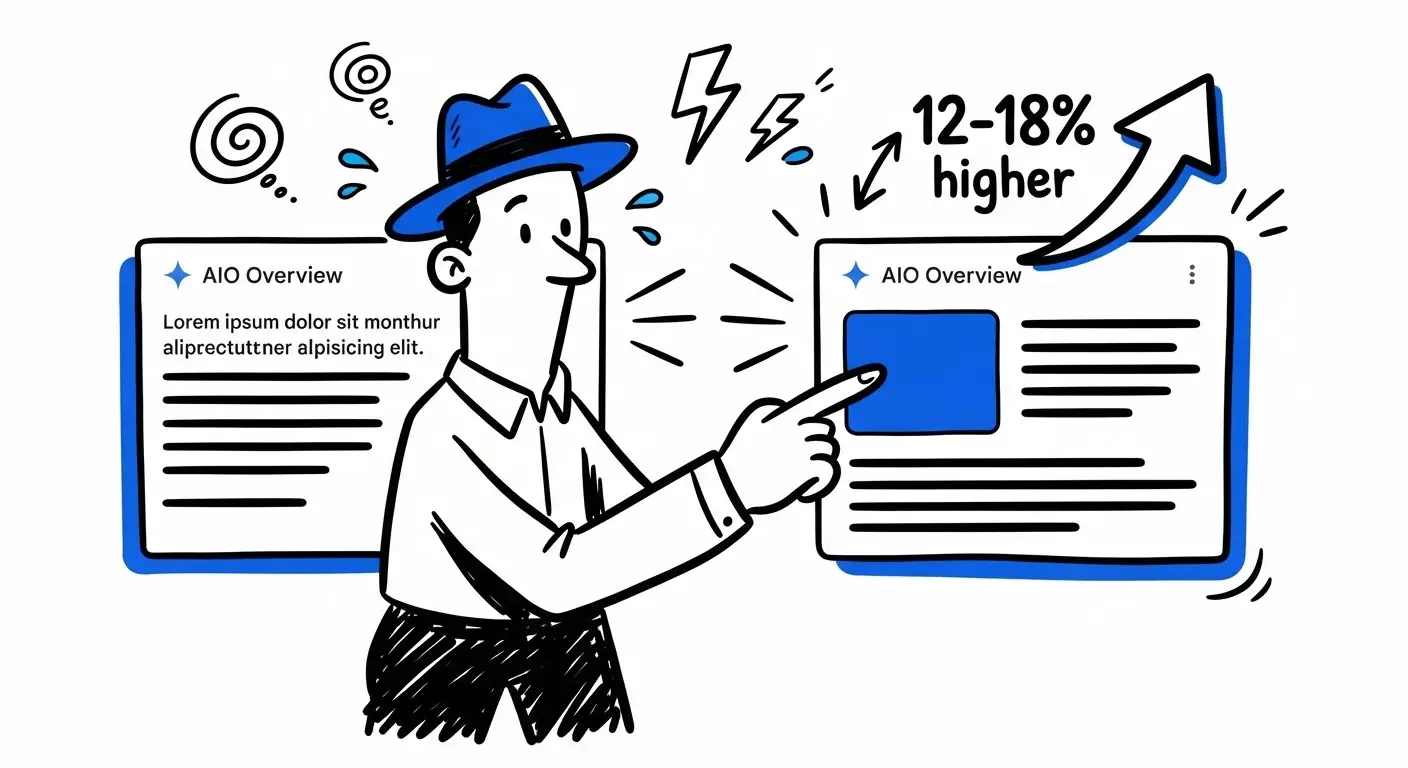
The interaction between visual SERP features and AI Overviews is complex. AI Overviews can include image and video citations in addition to text citations. The visual citation appears alongside the text citation in the AIO block.
Per Digital Web Solutions' 2026 SERP analysis, AI Overviews with visual citations see 12-18% higher engagement than text-only AIOs. The visual element pulls user attention into the AIO block. Image and video citations in AIOs become a separate optimization target from traditional image and video pack ranking.
The net effect on organic traffic is layered. Image and video packs reduce organic blue-link CTR by 15-25%. AI Overviews reduce it further by 30-58%. The combination stacks. Pages that target both visual pack inclusion and AI Overview citation become the 2026 tuning target with the highest return.
The image and video pack test

You search your top 20 visual-intent queries in an incognito browser. You record whether image packs and video packs appear. You note whether your pages or your YouTube videos are featured in those packs.
You check your image schema markup using Google's Rich Results Test. You record the percentage of pages with valid image structured data. Below 80%, you have a structural gap.
You pull YouTube Analytics for any videos on your channel. You record view duration, click-through, and pack-appearance frequency. You compare against your 30-day average.
Note the gap. This post synthesizes 2025 and 2026 data from three sources: GrowByData, seoClarity, and Moz's image SEO documentation. Two non-public image and video ranking algorithm details remain unpublished. Replication required.
Visual SERP features are now table stakes. Audit the schema markup monthly.
Related Articles
Discover more insights about web development and digital marketing