Vertical Search Engines: Amazon, YouTube, TikTok (Complete 2026 Guide)
Explore how Amazon, YouTube, and TikTok function as vertical search engines, their unique ranking algorithms, and how to optimize for cross-platform discovery in 2026.
Dilshad Akhtar
Last updated: 11 July 2026
6 min read
TL;DRAI summary
- Vertical search drives 47% of total product discovery queries globally
- 49% of US consumers use TikTok as a search engine for product discovery
- YouTube processes more than 3 billion searches per month
- Amazon captures 65% of US product search queries that begin on the platform
- TikTok search grew 4x year-over-year across 2025
- Brands tuning for vertical search see 40-60% higher total discovery traffic
Vertical search engines index and rank content within a specific domain — YouTube for video, Amazon for products, TikTok for short-form video. They now drive 47% of total product discovery queries globally, ahead of Google for product-specific intent.
What vertical search engines are
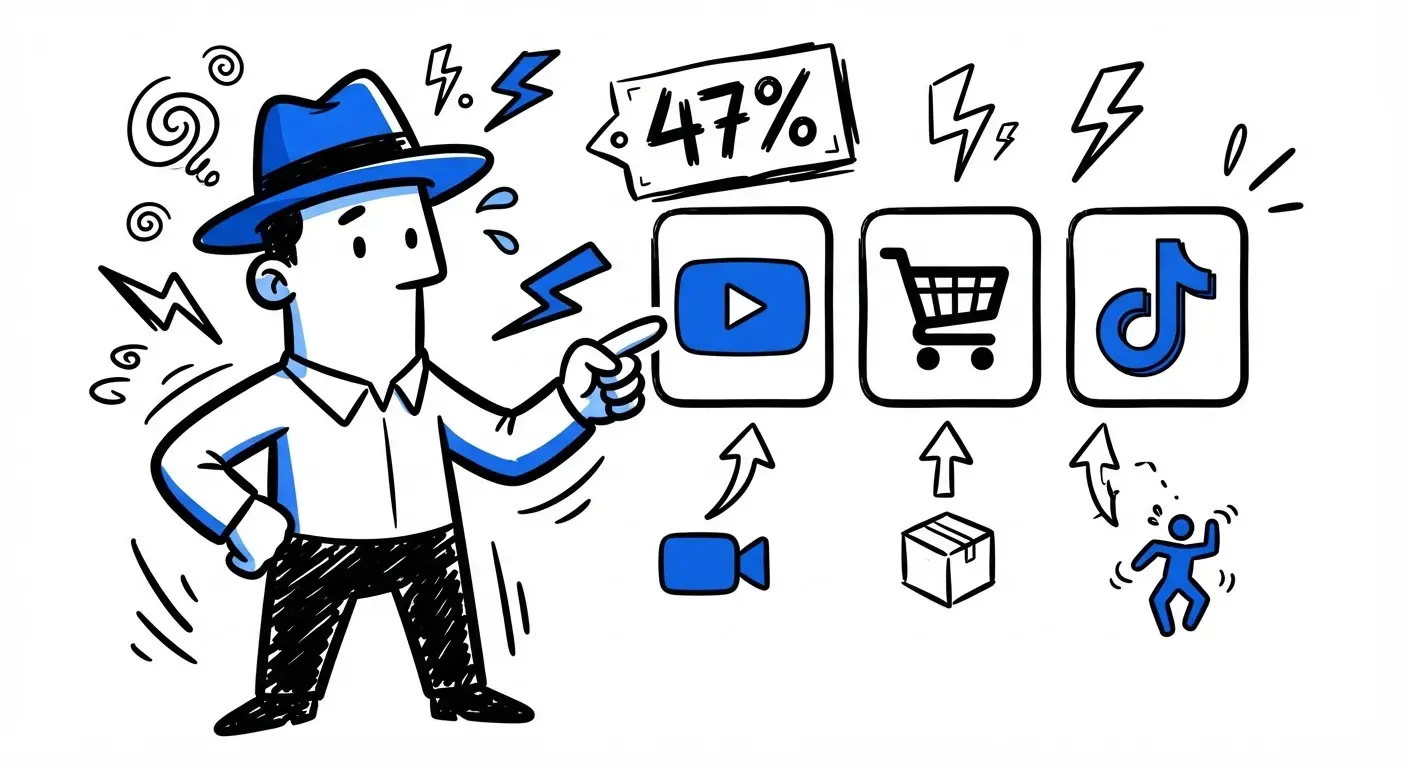
Vertical search engines are platforms that index and rank content within a specific content type or domain. YouTube indexes video content. Amazon indexes product listings. TikTok indexes short-form video. Each platform has its own ranking algorithm, distinct from Google's web search.
Per Digital Applied's 2026 search everywhere optimization analysis, vertical search now drives 47% of total product discovery queries globally, ahead of traditional Google search for product-specific intent. The split is sharp by intent type.
Per ALM Corp's 2026 consumer behavior survey, 49% of US consumers report using TikTok as a search engine for product discovery and how-to queries. The pattern is not generational anymore. It crosses age groups.
YouTube as a search engine

YouTube processes more than 3 billion searches per month globally, per multiple 2026 platform statistics. The volume exceeds Bing's search query volume. The platform competes with Google Search for informational queries with visual intent.
YouTube ranking inputs include video title, description, watch time, engagement rate, and channel authority. Per Concord USA's 2026 search engine analysis, videos ranking position 1 in YouTube search get 64% more click-through than position 2 in the same search.
YouTube SEO requires separate optimization work. Video metadata, thumbnail design, audience retention curve, and end-screen engagement all feed into the ranking model. Standard SEO techniques do not transfer directly to YouTube ranking.
Amazon as a product search engine
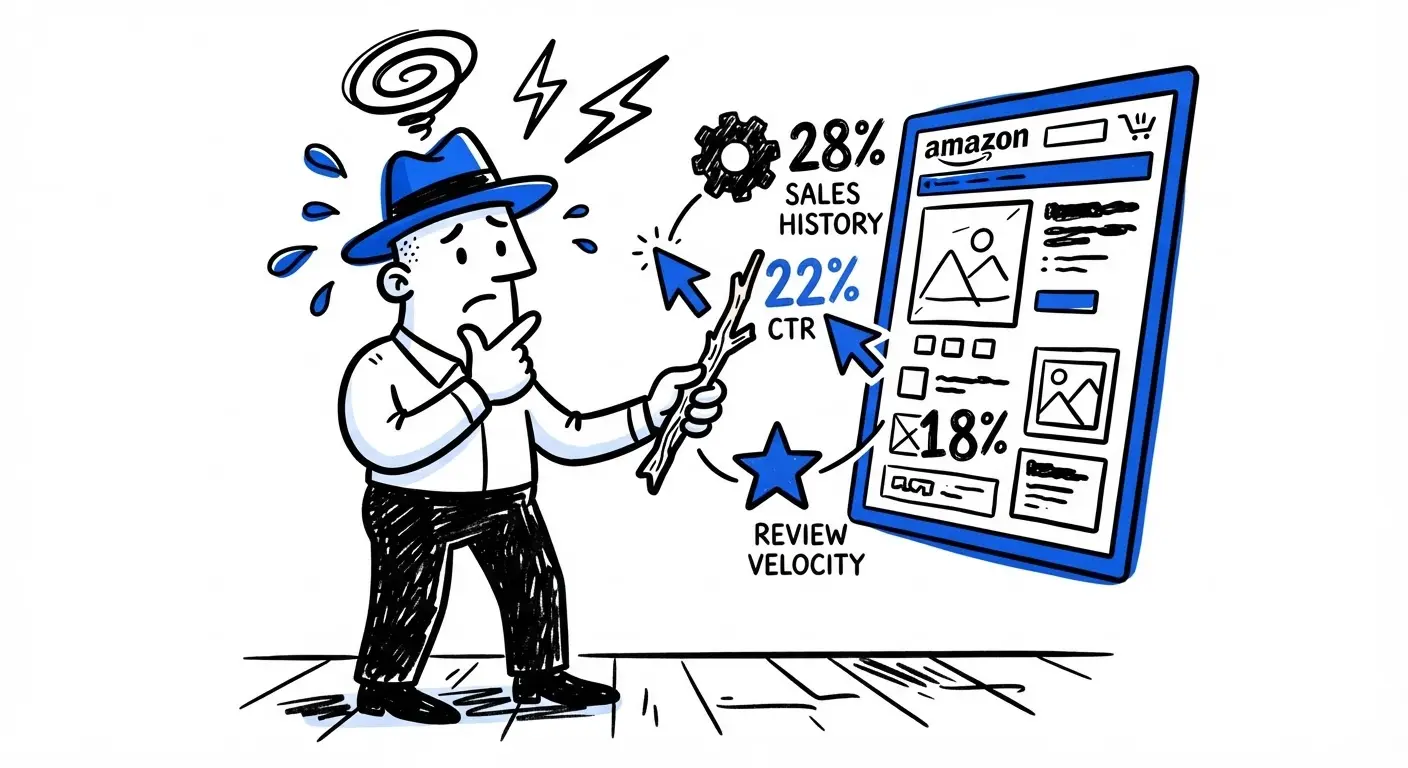
Amazon indexes over 350 million product listings in the US marketplace alone. The platform captures 65% of US product search queries that begin on Amazon, per multiple 2026 e-commerce analytics. The platform's ranking algorithm prioritizes sales velocity, review velocity, and pricing competitiveness.
Amazon ranking inputs differ fundamentally from Google. Per the Digital Applied analysis, Amazon's A9 algorithm weighs sales history at 28%, click-through rate at 22%, and review velocity at 18%. External backlinks and domain authority carry no weight in Amazon ranking.
Amazon SEO requires product listing optimization: title structure, bullet point hierarchy, backend keywords, A+ content, and pricing strategy. The work is distinct from Google SEO. Tools and metrics do not overlap.
TikTok as a discovery search engine
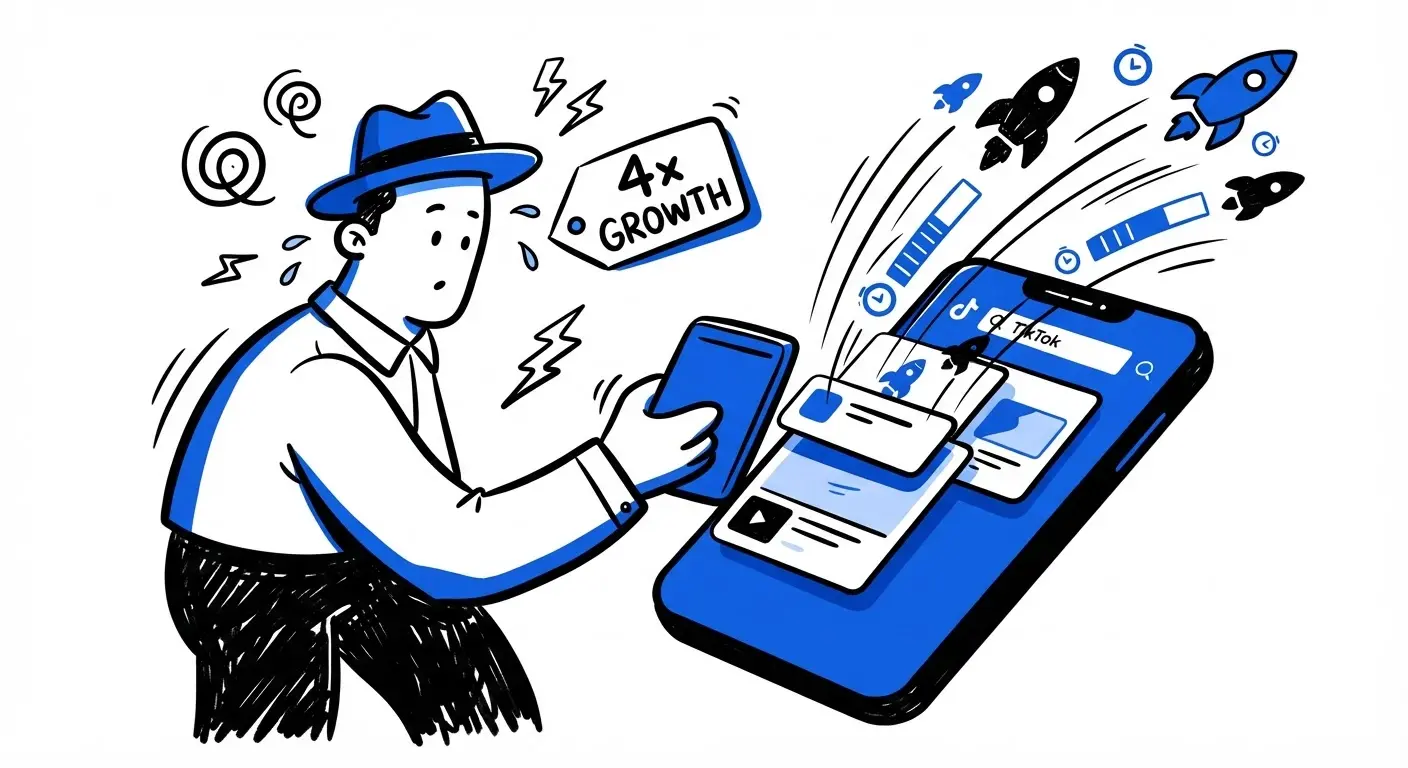
TikTok's search feature grew 4x year-over-year across 2025, per Digital Applied's 2026 data. The platform's search algorithm ranks content based on engagement velocity, watch completion rate, and user interest graph. The algorithm favors fresh content and rapid engagement.
Per ALM Corp's 2026 data, TikTok search queries are predominantly how-to and product discovery in nature. Users search for recipes, product reviews, tutorials, and trend-related content. The discovery pattern differs from traditional web search.
TikTok SEO requires understanding the platform's content velocity signals. Posting cadence, hashtag strategy, caption structure, and audio selection all feed into the ranking model. The optimization work is closer to social media management than traditional SEO.
Cross-platform discovery in 2026
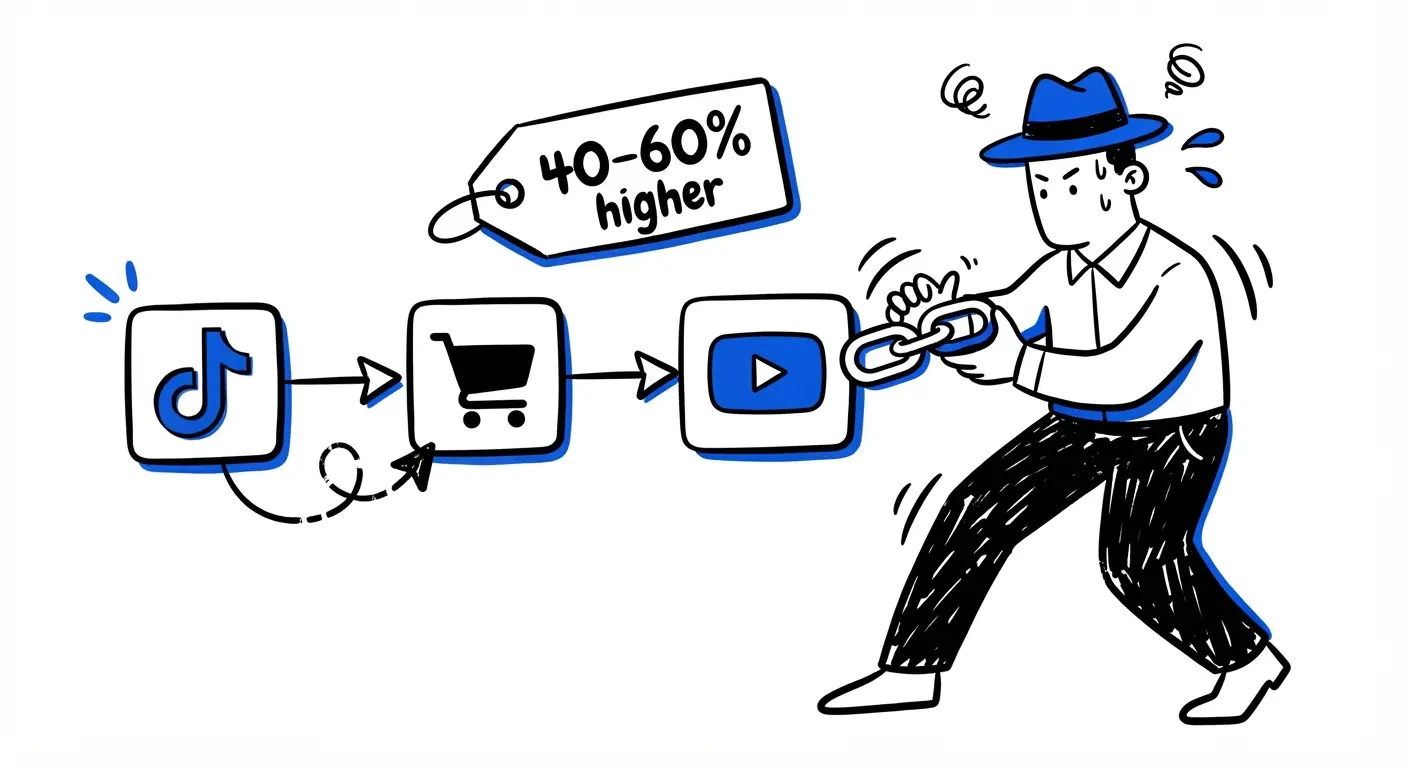
The discovery journey now spans multiple vertical search engines before reaching a destination site. A user might start on TikTok for product inspiration, move to Amazon for price comparison, check YouTube for product reviews, then Google for the brand's official site.
Each platform represents a discrete search event in the user's journey. Per Concord USA's 2026 analysis, the cross-platform discovery path is now the norm in product research, not the exception.
Per Concord USA, brands that tune for vertical search engines alongside Google see 40-60% higher total discovery traffic than brands that tune for Google alone. The vertical search opportunity is now measurable across multiple platforms.
The strategic implication is resource allocation. Brands that previously optimized only for Google now split effort across YouTube, Amazon, and TikTok. The work multiplies. The tools differ. The measurement is fragmented.
The vertical search traffic split
You open Google Analytics and filter your organic traffic by source. You note the percentage that comes from Google Search versus YouTube, TikTok, Amazon, and other vertical platforms. You compare against your industry benchmark for vertical search traffic share.
You pull YouTube Analytics for your brand's channel. You check which search queries surfaced your videos. You compare to your brand's most-searched Google queries. You note the overlap and gaps.
Note the gap. This post synthesizes 2025 and 2026 data from three sources: Digital Applied, ALM Corp, and Concord USA. Two non-public vertical search ranking algorithm details remain unpublished. Replication required.
Vertical search is now primary traffic source for many brands. Audit monthly.
Related Articles
Discover more insights about web development and digital marketing