SEO vs Social Media Marketing for Brand Discovery in 2026
Learn how SEO and social media differ for brand discovery in 2026. SEO captures existing demand, social creates new demand, and coordinated campaigns see 40% higher assisted-conversion rates.
Dilshad Akhtar
Last updated: 25 June 2026
5 min read
TL;DRAI summary
- SEO captures demand that already exists; social media creates new demand that did not exist before
- Search engines drive 32.8% of brand discovery globally; social media leads at 34.5% for users under 35
- Social platforms now account for over 60% of product discovery among users aged 16-34
- TikTok, Instagram, YouTube, and LinkedIn each have their own ranking algorithms — social SEO is now a separate discipline
- Brands running both SEO and social in coordinated campaigns see 40% higher assisted-conversion rates
SEO captures existing demand. Social media creates demand that did not exist. The two functions sit on different points of the discovery journey, and a 2026 brand strategy cannot treat the two channels as fungible.
The split
SEO captures existing demand. Social media creates demand that did not exist. The two functions sit on different points of the discovery journey, per We Are Social's Digital 2026 mid-year global update.
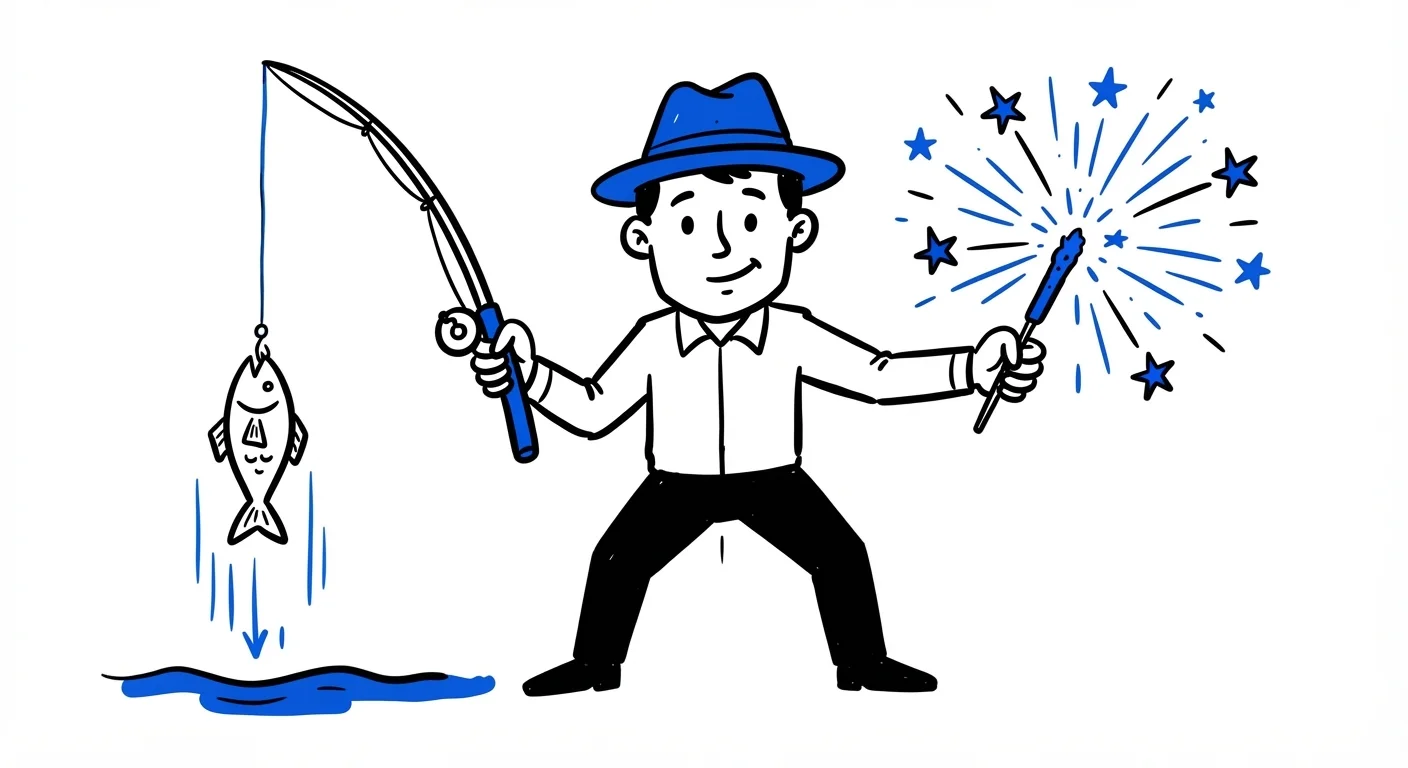
A user typing a query into Google already knows they have a problem. SEO decides which brands appear. A user scrolling TikTok has a need they cannot yet articulate. Social decides which brand surfaces first when they finally can. Different inputs, different outputs.
Digital Applied's 2026 social media statistics report shows search engines still drive 32.8% of brand discovery globally, ahead of paid TV at 32.3% and word-of-mouth at 30%. Social media leads at 34.5% of product discovery for users under 35.
What SEO owns
SEO owns the moment when a buyer has named their problem and is comparing options. Queries with commercial intent, queries with informational intent, queries that signal purchase consideration. The work is ranking, snippet capture, AI Overview inclusion.
For commercial queries, organic CTR for the top result still averages 27-39% when no AI Overview appears, per Ahrefs' 2026 search statistics. SEO captures the demand that is already searching. The investment compounds across thousands of related queries once topical authority is established.
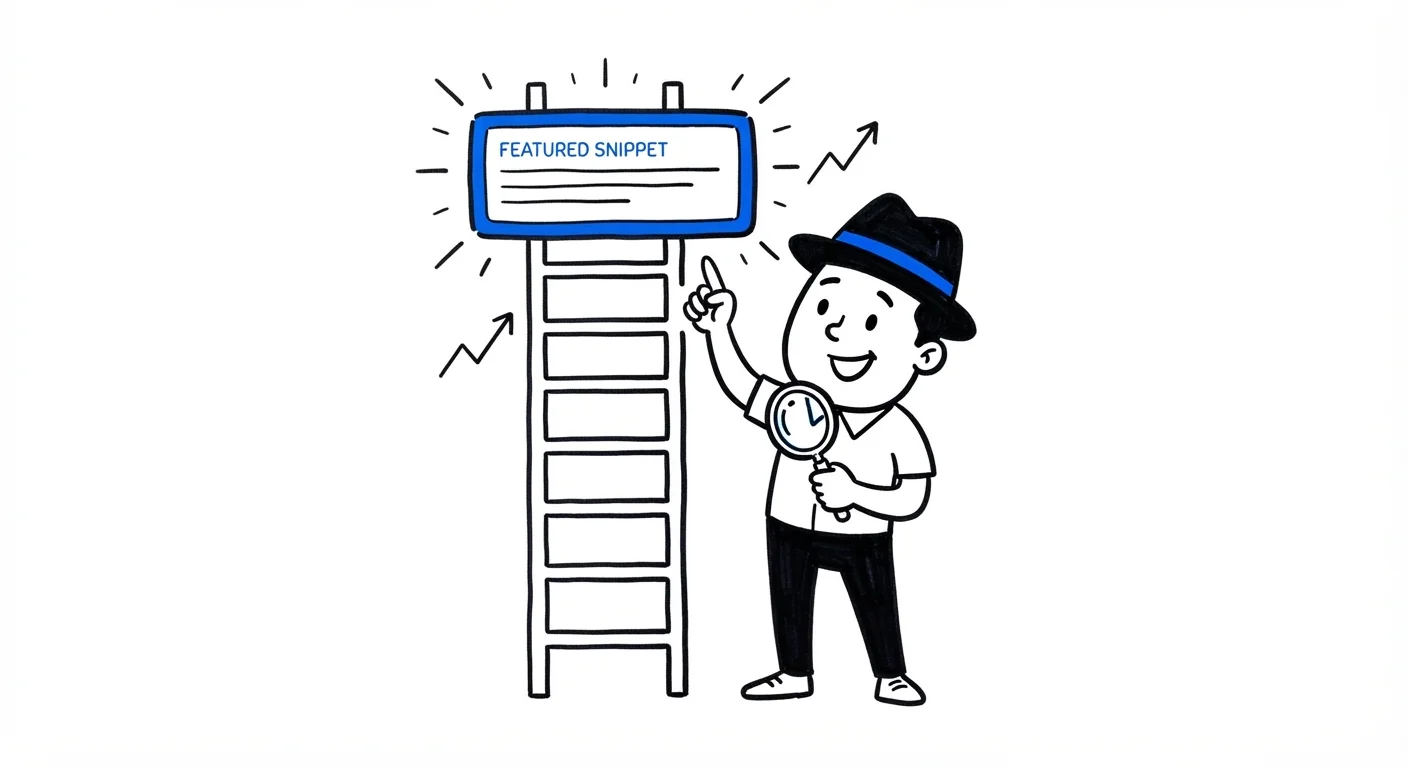
The infrastructure is older. Crawlers, indexes, ranking signals, structured data. The work lives in GSC, Search Console APIs, log files. The cadence is weekly checks plus structural updates. SEO is the running system.
What social media owns
Social media owns the moment when a buyer has not yet searched. Brand awareness, product discovery, community building, social proof. The work is creative, the platforms change weekly, and the metrics shift faster than SEO.
Digital Applied's 2026 data shows social platforms now account for over 60% of product discovery among users aged 16-34. SEO captures the other 40% of that age group. The split is sharp. A 2026 brand strategy cannot treat the two channels as fungible.
TikTok search, Instagram search, YouTube search, LinkedIn search now each have their own ranking algorithms, per SEO Sherpa's 2026 social media growth analysis. The platforms index text in captions, hashtags, and audio transcripts. Social SEO is now a separate discipline, not a sub-discipline.
How the channels compound together
The combined effect layers. A user discovers a brand on TikTok, searches the brand name on Google three days later, sees the brand's organic listing with strong review schema, clicks through, and converts. Each channel handed off to the next.
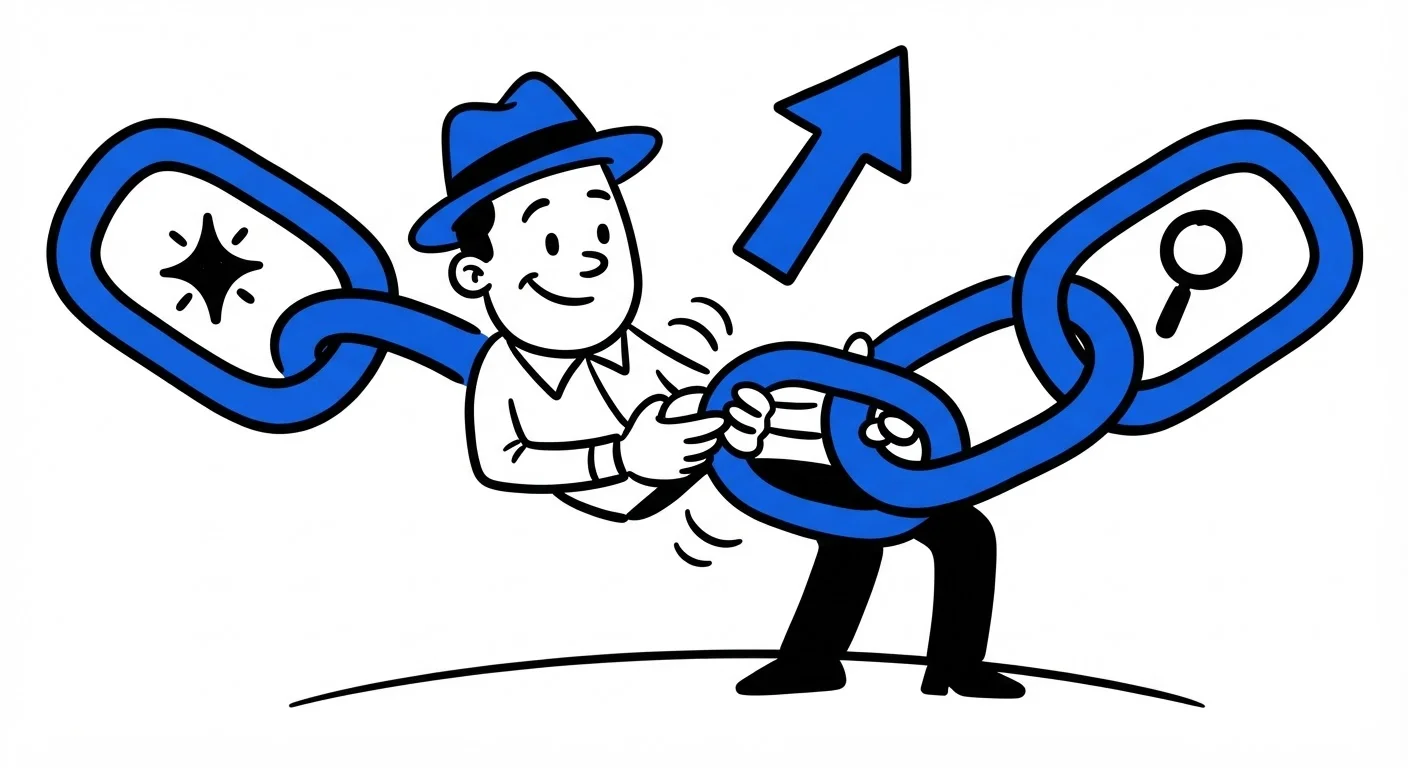
Sprout Social's 2026 social media statistics report shows that brands running both SEO and social in coordinated campaigns see 40% higher assisted-conversion rates than brands running either alone. The lift comes from the handoff, not from any single channel.
The infrastructure differs. SEO needs crawlable HTML, structured data, and weekly log file review. Social needs creative production, platform-specific format compliance, and daily engagement cycles. One team rarely runs both well. The work is handoff design between separate teams with shared attribution.
Monday morning GSC audit
Monday morning, you open GSC before standup. You pull branded query impressions for the last 7 days. Spikes tell you social or PR hit over the weekend. Drops tell you the SERP layout shifted beneath you.
You forward the spike to the social team for handoff. You investigate the drop yourself. You compare position history for the affected queries against your last update log. Either the algorithm moved or a competitor moved.
Per SEO Sherpa's 2026 social media growth analysis, social platforms now index text in captions, hashtags, and audio transcripts. A Monday morning GSC check catches the moment a platform's search ranking changes beneath you.
Note the gap. This post covers 2025 and 2026 data from four primary sources: We Are Social, Digital Applied, Sprout Social, SEO Sherpa. Five other reports on social platform indexing algorithms are not publicly accessible as of writing.
Related Articles
Discover more insights about web development and digital marketing