SEO vs Content Marketing: How They Overlap and Differ in 2026
Learn how SEO and content marketing overlap and differ in 2026. Understand the shared asset, what each discipline owns, where they diverge, and why a single brief outperforms split documents.
Dilshad Akhtar
Last updated: 25 June 2026
5 min read
TL;DRAI summary
- One published page serves both SEO and content marketing — the URL does not know which team claimed it
- SEO owns technical and structural signals: schema, internal links, canonicalization, page speed, mobile rendering
- Content marketing owns topic selection, narrative structure, format choice, and distribution
- 73% of teams producing top-10 ranking pages had one shared brief across SEO and content, not two
- Teams using a single-brief approach produced 22% higher blog ROI than teams splitting them
One published page serves both SEO and content marketing. The same URL, the same HTML, the same crawl budget. What differs is who measures success and against which timeline. By 2026, AI Overview pressure made the overlap between the two disciplines mandatory.
The shared asset
One published page serves both functions. The same URL, the same HTML, the same crawl budget. What differs is who measures success and against which timeline, per Contengi's State of Content Marketing 2026 report.
SEO measures rank position, click-through rate, and indexed coverage. Content marketing measures scroll depth, time on page, assisted conversions, and downstream pipeline contribution. Both teams touch the same artifact. They score it differently.
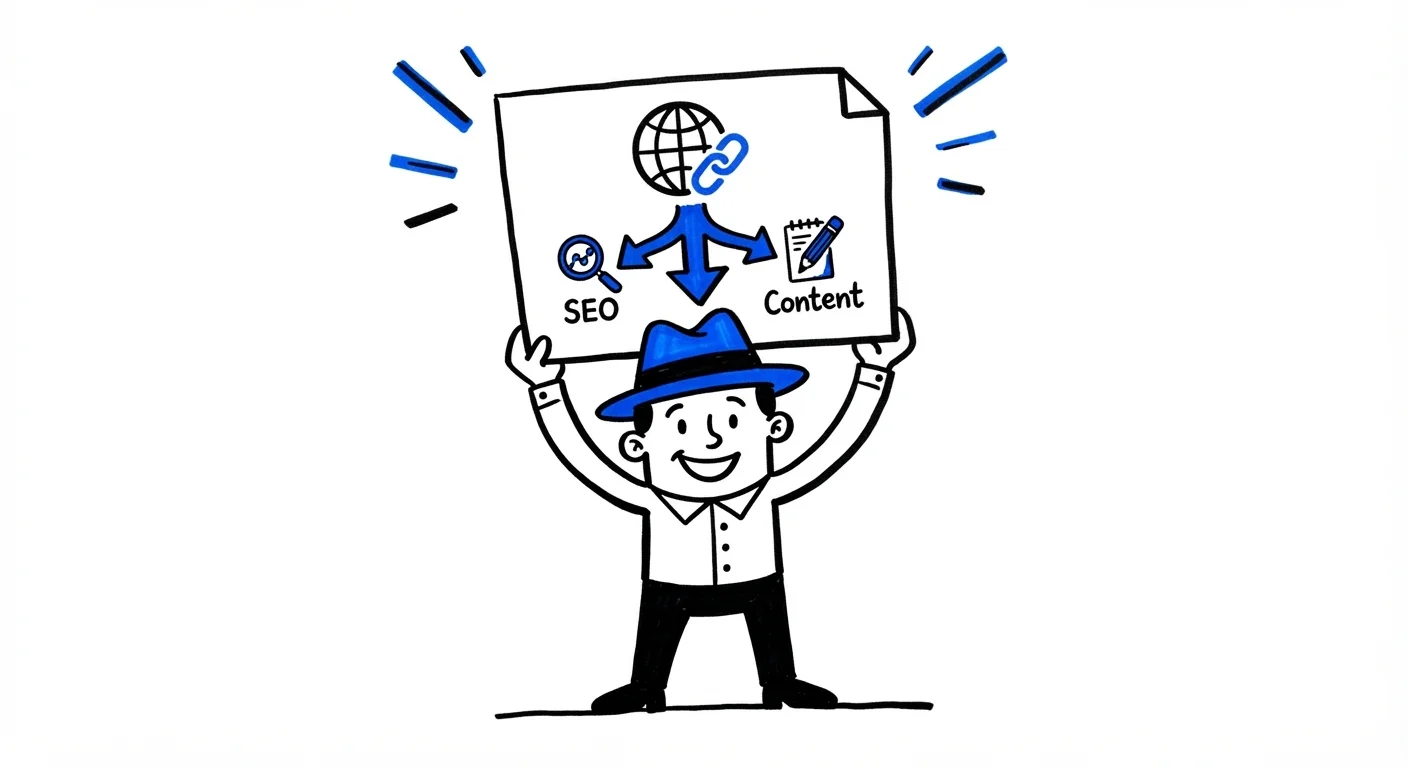
The overlap runs deepest at the brief. A 2026 brief that misses search intent produces a page that ranks but does not convert. A brief that misses audience pain produces a page that converts but does not rank. The two failure modes look identical in isolation.
What SEO owns
SEO owns the technical and structural signals that decide whether crawlers can find, parse, and rank the page. Schema markup, internal link graph, canonicalization, page speed, mobile rendering, hreflang on international properties, structured data validation.
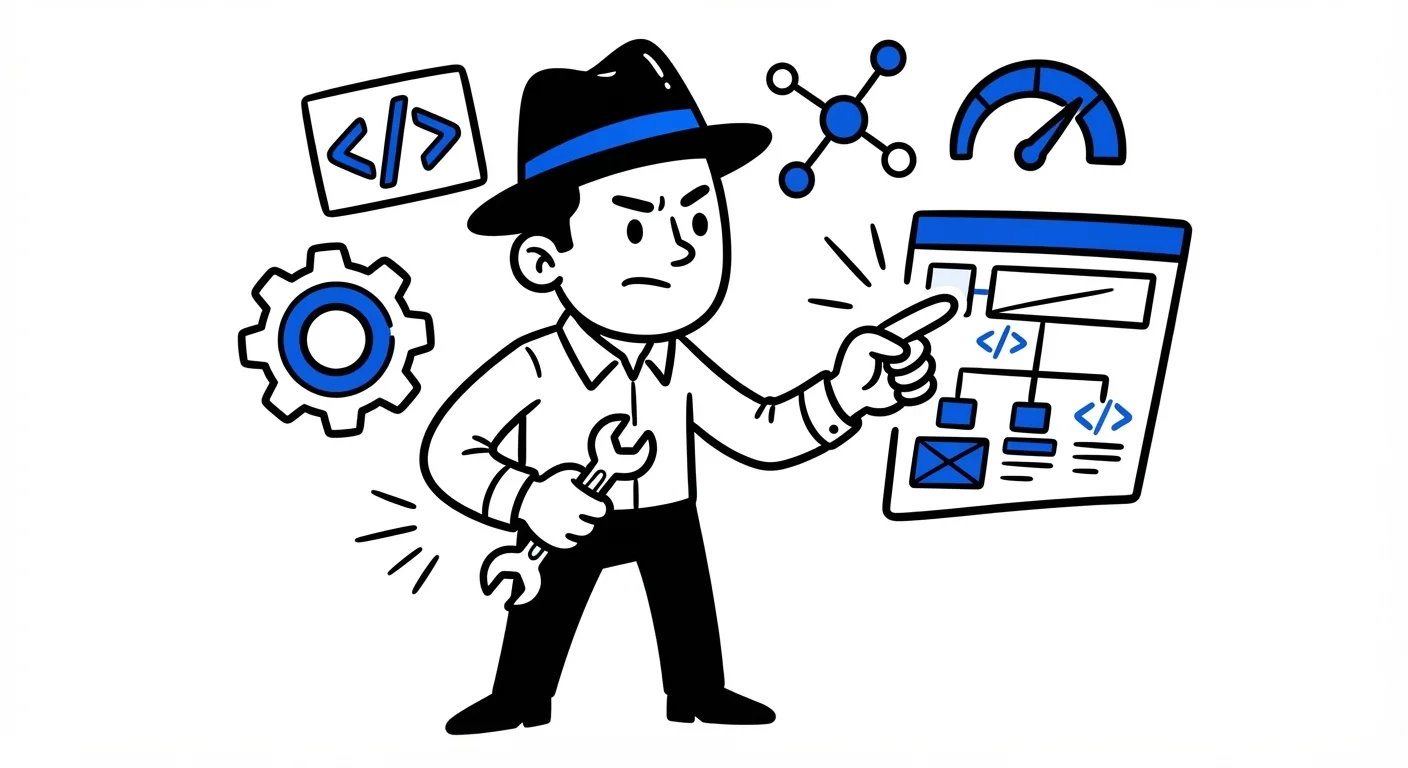
In 2026, schema coverage at 99% on title tags and 93% on viewport meta became the floor, not the ceiling, per Moz's 2026 SEO trends analysis of 20 industry experts. The next 10% of return comes from citation-worthy structured content, not from additional tags.
The work lives in dashboards. GSC, Ahrefs, Screaming Frog log files. You watch index coverage, query impressions, and SERP feature presence. The cadence is weekly. The output is a list of pages that need structural fixes.
What content marketing owns
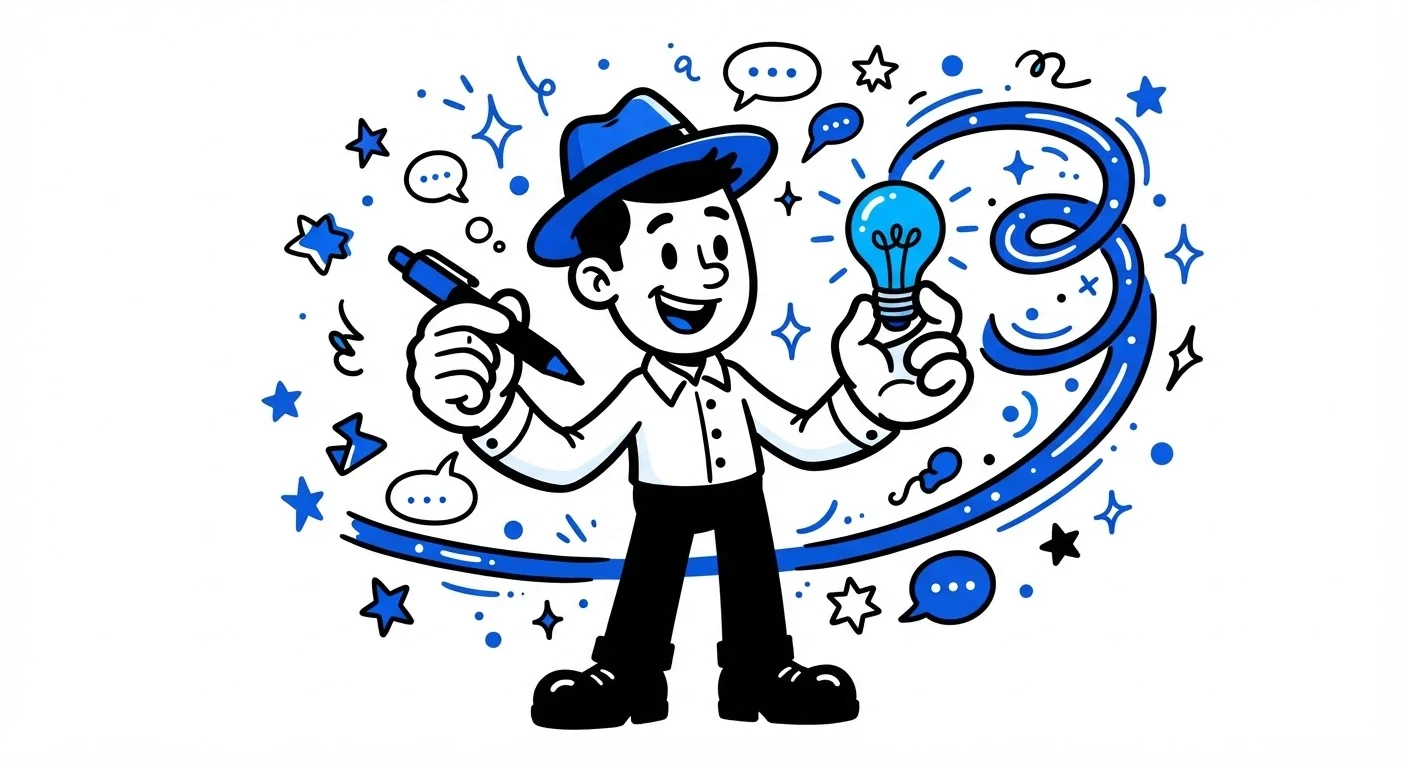
Content marketing owns topic selection, narrative structure, format choice, and distribution. The discipline asks which questions the audience is asking this quarter, in what form they want the answer, and through which channels they will find it.
CMI's 2025 B2B benchmarks survey of 980 marketers found 58% rate their content strategy as only moderately effective, per Contengi. The bottleneck sits upstream of writing. Topic selection, format choice, audience research. Not the prose itself.
The work lives in editorial calendars, customer interviews, and competitive content audits. You track scroll depth, video completion rates, and assisted conversions. The cadence is quarterly planning plus weekly production.
Where they diverge
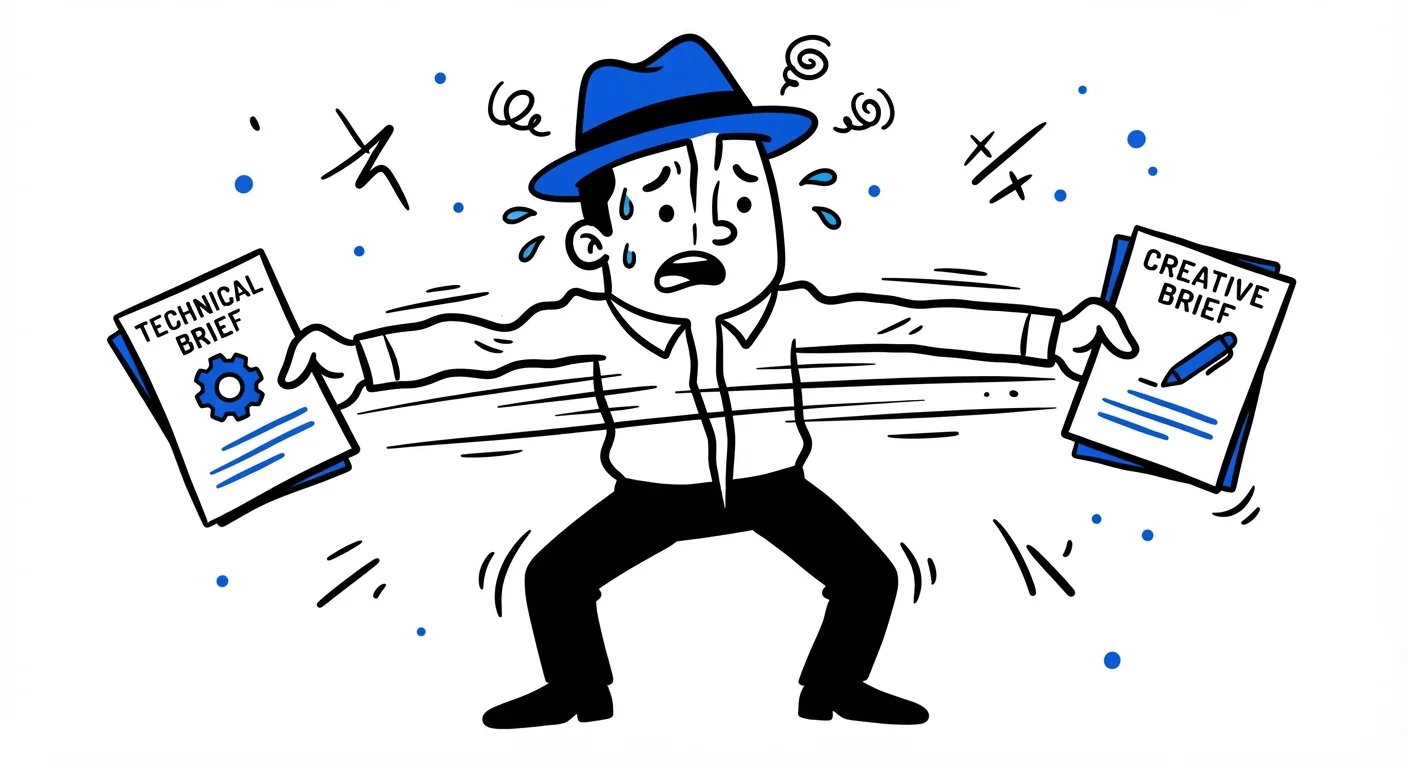
The handoff is where most teams break. SEO briefs specify target keyword, schema requirements, internal link targets, and word count. Content briefs specify audience pain, narrative arc, format, and tone. The two documents rarely overlap.
ALM Corp's 2026 SEO survey found that 73% of teams producing top-10 ranking pages had one shared brief across SEO and content, not two. The remaining 27% shipped faster but ranked lower and converted less. One document, two signatories.
The metric that exposes the gap is assisted conversions. SEO credits itself for last-click. Content credits itself for assisted. When both teams look at the same number, they argue. When a third team owns attribution, the argument ends.
The content-brief disagreement
Your SEO team wants one brief format. Your content team wants another. Both refuse to sign off on the other's document. The disagreement stalls production for two weeks.
The fix is one shared brief with two signatories. The SEO section specifies target keyword, schema requirements, internal link targets, and word count. The content section specifies audience pain, narrative arc, format, and tone. Both teams sign the same PDF.
HubSpot's 2026 State of Marketing report shows that teams using this single-brief approach produced 22% higher blog ROI than teams splitting them, per Contengi. The data points one direction. One calendar, one brief, one measurement model.

Note the gap. This analysis synthesizes 2025 and 2026 data from four sources: Contengi, CMI, HubSpot, Moz. Several primary sources on content marketing ROI in 2026 are still paywalled and not publicly cited. Replication required.
The combined workflow is not new. What changed in 2026 is that AI Overview pressure on informational content made the overlap mandatory. Before, SEO and content could operate in parallel. Now they cannot.
Related Articles
Discover more insights about web development and digital marketing