Organic Search Results Explained: How Google Blue Links Work in 2026
Understand how Google ranks organic results in 2026, the CTR math behind blue links, the impact of AI Overviews, and how to run an organic listing scan for your site.
Dilshad Akhtar
Last updated: 11 July 2026
5 min read
TL;DRAI summary
- Organic results are unpaid listings ranked by relevance, intent, and content quality
- Position 1 averages 39.8% CTR without AI Overviews, dropping to 19.8% with AIO present
- AI Overviews correlate with a 58% lower CTR for position 1 and 50.8% lower at position 2
- Crawl budget matters more as JavaScript hydration consumes render paths
- Topical authority trumps single-page wins through consistent internal linking
- Branded queries bucked the trend with positions 2-6 gaining 8.71 percentage points combined
Organic results are unpaid listings Google ranks by relevance, query intent, and content quality. Position one still averages 39.8% CTR on queries without AI Overviews, but AIO presence collapses that curve by up to 58% for the top-ranking page.
What counts as an organic result
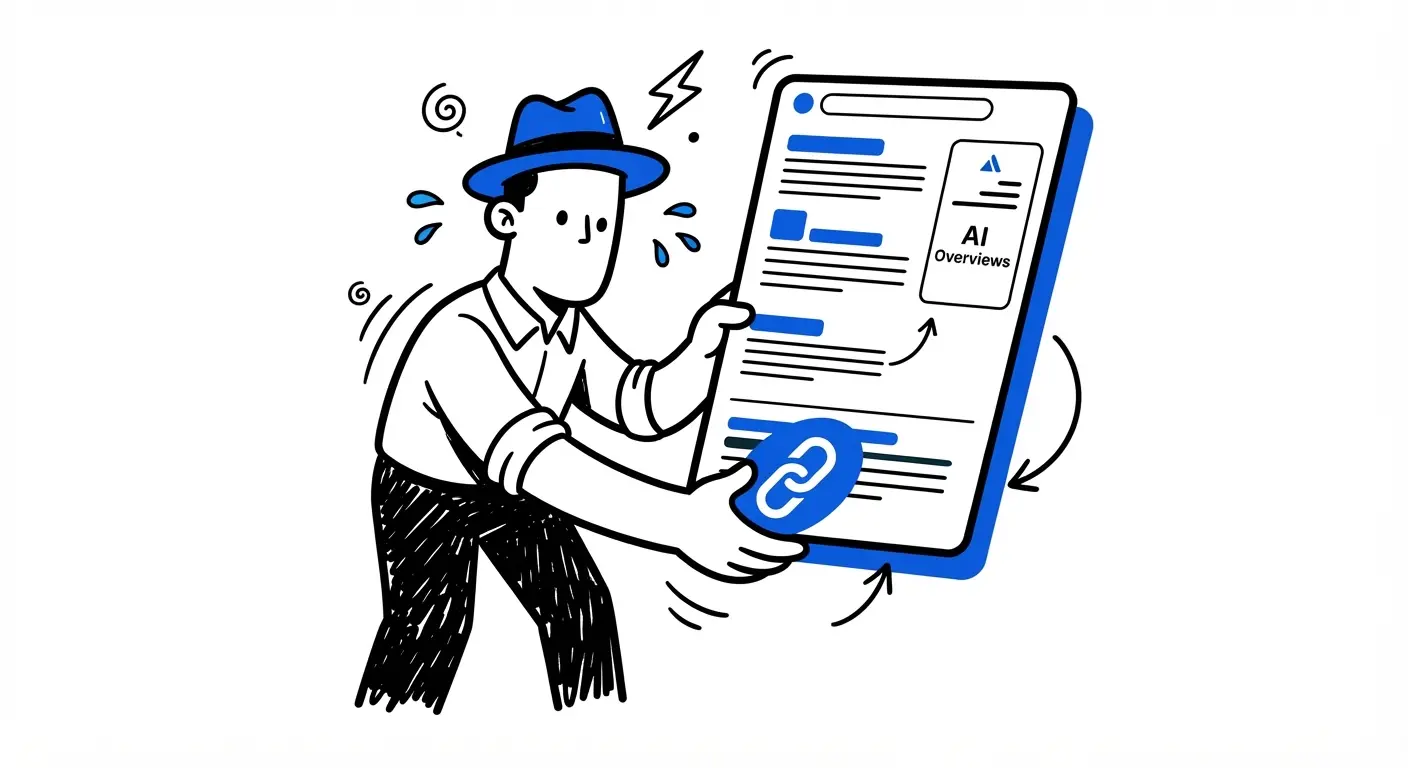
Organic results are unpaid listings. Google ranks them by relevance, query intent, and content quality, then populates each entry with a title, URL, and meta description per Google's own documentation. The click is free. The work is not.
Blue links still anchor most SERPs. They sit below paid slots and above AI Overviews on most commercial queries, and their visual format has changed as rich results stretch title tags into card-style snippets. Same HTML index entry underneath.
Organic exceeds ten blue links. AI Overviews, featured snippets, People Also Ask, and image packs can push organic entries off-screen entirely, so a page at position 1 may render below the fold on a 1920x1080 viewport. You keep the rank. The user never sees you.
How Google ranks organic results
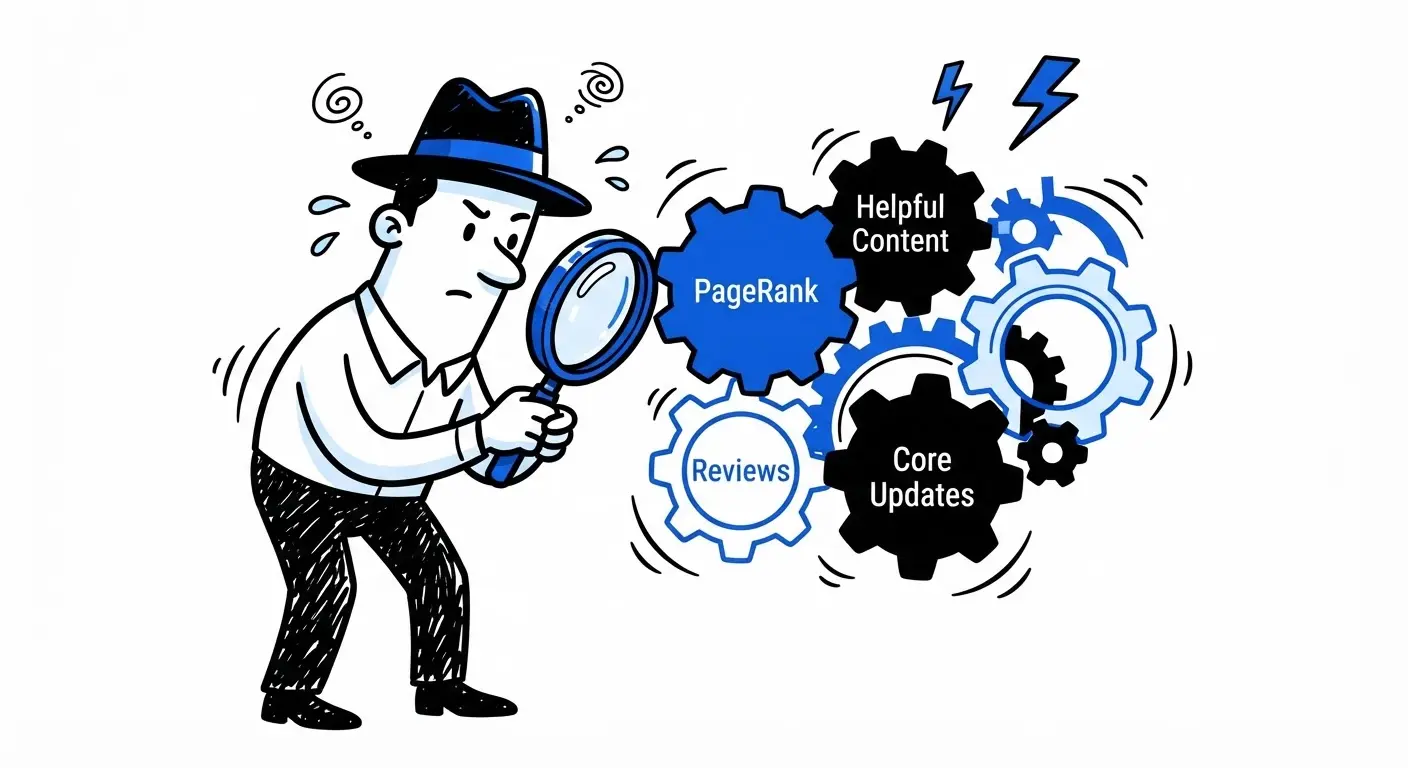
Google layers multiple ranking systems. PageRank handles link equity, Helpful Content scores relevance to query intent, Reviews systems flag quality, and core updates reweight everything quarterly per Google's ranking systems guide. Core updates land quarterly and reweight the index.
Most factors carry through to AI Overviews. Ahrefs' November 2025 study analyzed 86 ranking factors across 146 million SERPs and found most overlap with traditional ranking signals, including brand mentions, structured data, and topical authority (Ahrefs). Same foundations. Different output format.
Crawl budget now matters more. Each render path traverses JavaScript hydration boundaries, fetches server-side snapshots, and queues paint tasks; Googlebot times out after a fixed window, and unindexed pages never recover visibility. Finite budget. Permanent loss.
Topical authority trumps single-page wins. Built through consistent internal linking and source diversity, topical authority lifts a domain across hundreds of queries simultaneously, multiplying the return on every new post published. One pillar beats ten thin posts.
The CTR math behind blue links
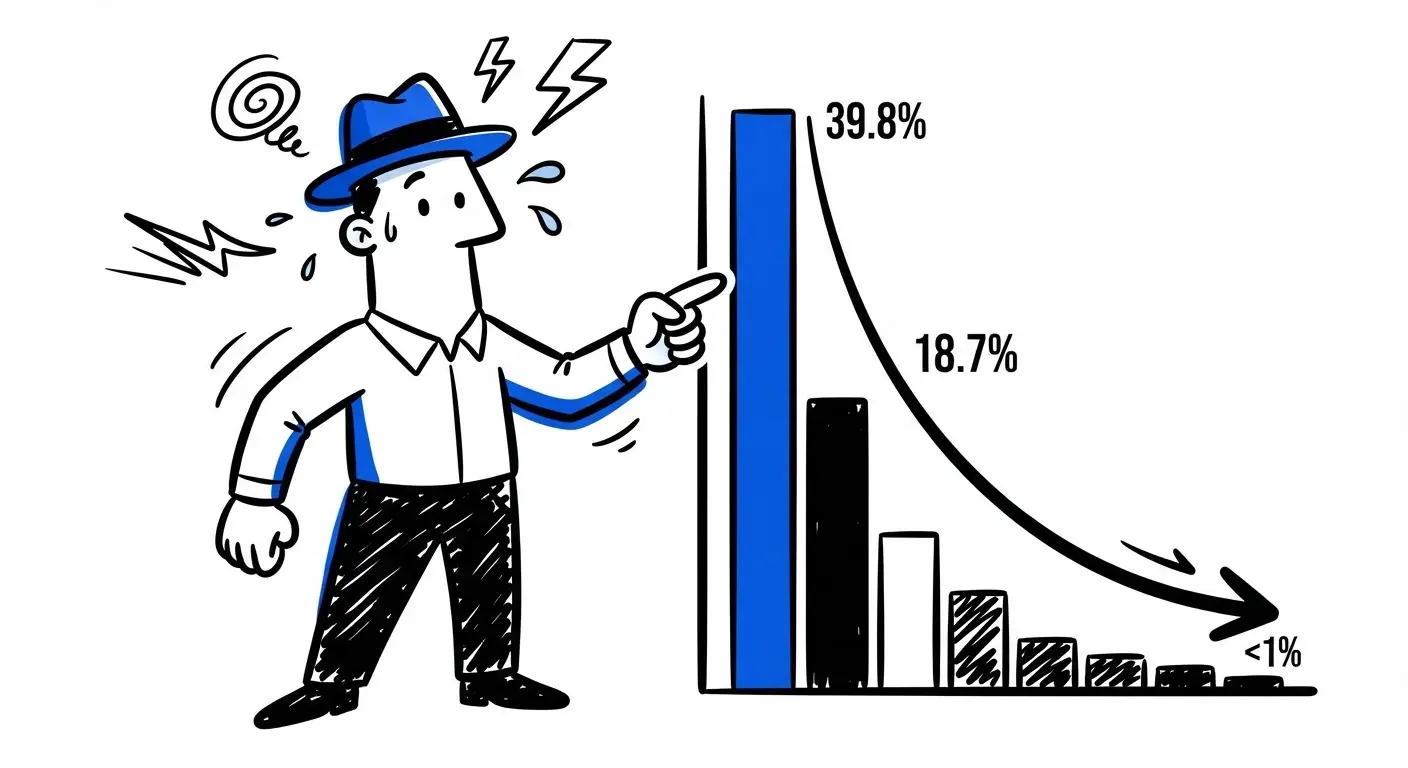
Position one still wins. Ahrefs' 2026 search statistics report put position 1 at 39.8% CTR on queries without AI Overviews, position 2 at 18.7%, and position 10 at roughly 1%. The decay curve stays exponential.
AI Overviews collapse that curve. Ahrefs' December 2025 update found AIO presence correlates with a 58% lower CTR for position 1, 50.8% lower at position 2, and 19.4% lower at position 10. The cliff is steepest at the top.
Q3 2025 was noisy. Advanced Web Ranking's report showed desktop position 1 CTR dropped 0.99 percentage points quarter over quarter, with Arts & Entertainment falling 5.13 pp at position 1 and Travel gaining 2.46 pp at position 2. Eighteen industries moved; most fell on desktop.
Branded queries bucked the trend. Desktop positions 2-6 on branded queries gained 8.71 percentage points combined during Q3 2025, since users click further down the SERP once the brand is trusted (Advanced Web Ranking). Trust redistributes clicks further down the SERP.
The organic listing scan
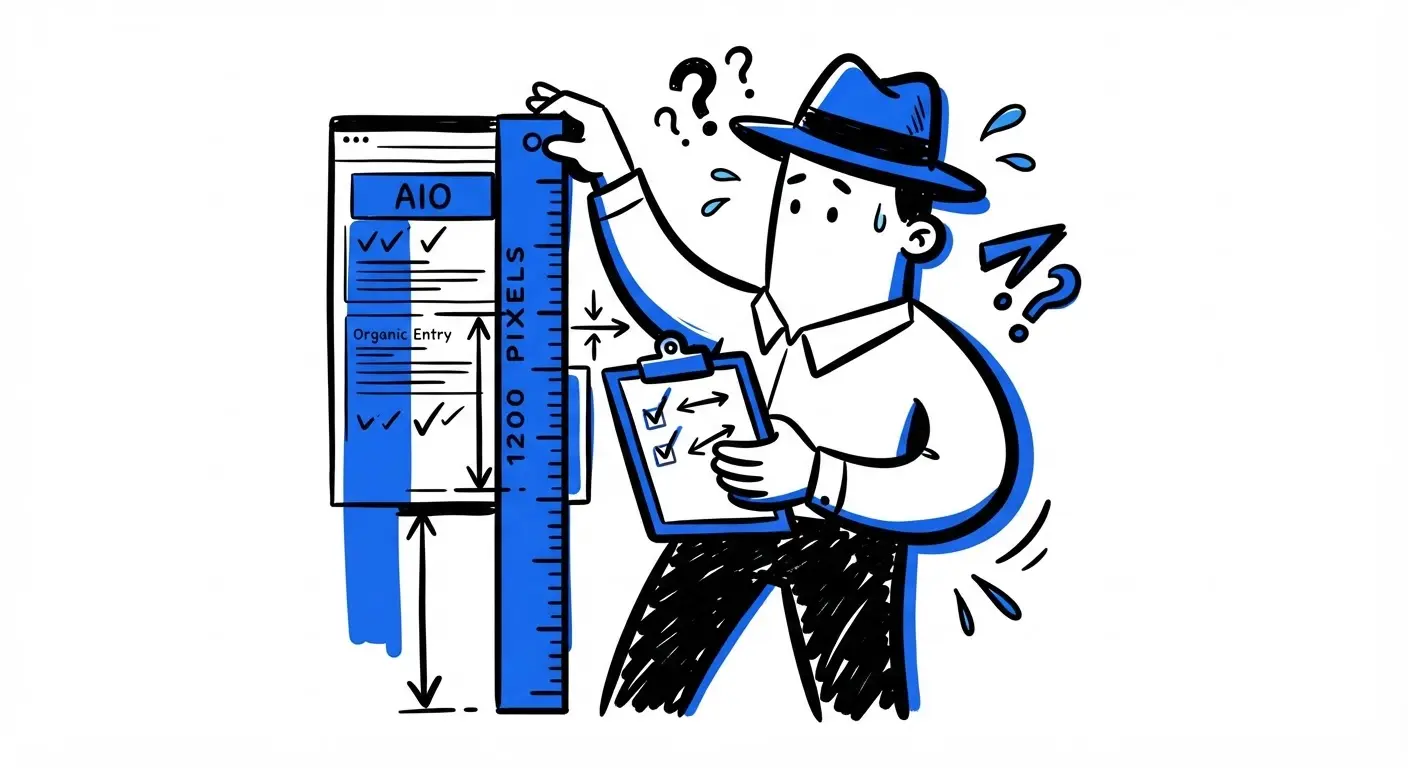
Run a SERP audit on your ranking queries. Open the top ten GSC queries in an incognito browser, screenshot each results page at 1920x1080, and log the pixel depth of your entry above or below the AI Overview block. Above 1,200 pixels is visible. Below is at risk.
Score each query by visibility. Multiply position weight by the fraction of your entry visible above the fold, then average across your top ten queries for a single monthly number. Track it. Show it in the Friday review.
Note the gap. This post draws on four sources with public 2025 CTR data, and two other primary CTR studies were behind paywalls at the time of writing. The 58% and 39.8% figures are load-bearing.
Related Articles
Discover more insights about web development and digital marketing