PPC Fundamentals for SEO Practitioners: Complete 2026 Guide
How the Google Ads auction works, what paid search terms reports reveal for organic strategy, and how to read paid and organic performance in one view.
Dilshad Akhtar
Last updated: 11 July 2026
5 min read
TL;DRAI summary
- Ad Rank = Max CPC x Quality Score; a one-point Quality Score drop raises CPC roughly 15%
- 23% of converting paid terms never appear in organic rank trackers
- Google Ads’ attribution data shows 70% of paid conversions include prior organic touchpoints
- Paid search drives net-new demand — organic absorbs only 28% of paid traffic when paused
- Run paid search terms quarterly; feed validated intent clusters to SEO briefs
Paid search runs a second-price auction with a Quality Score multiplier. Google ranks ads by Ad Rank, which equals Max CPC multiplied by Quality Score, then adjusted by ad extensions and format. Same position, different cost.
How the auction works
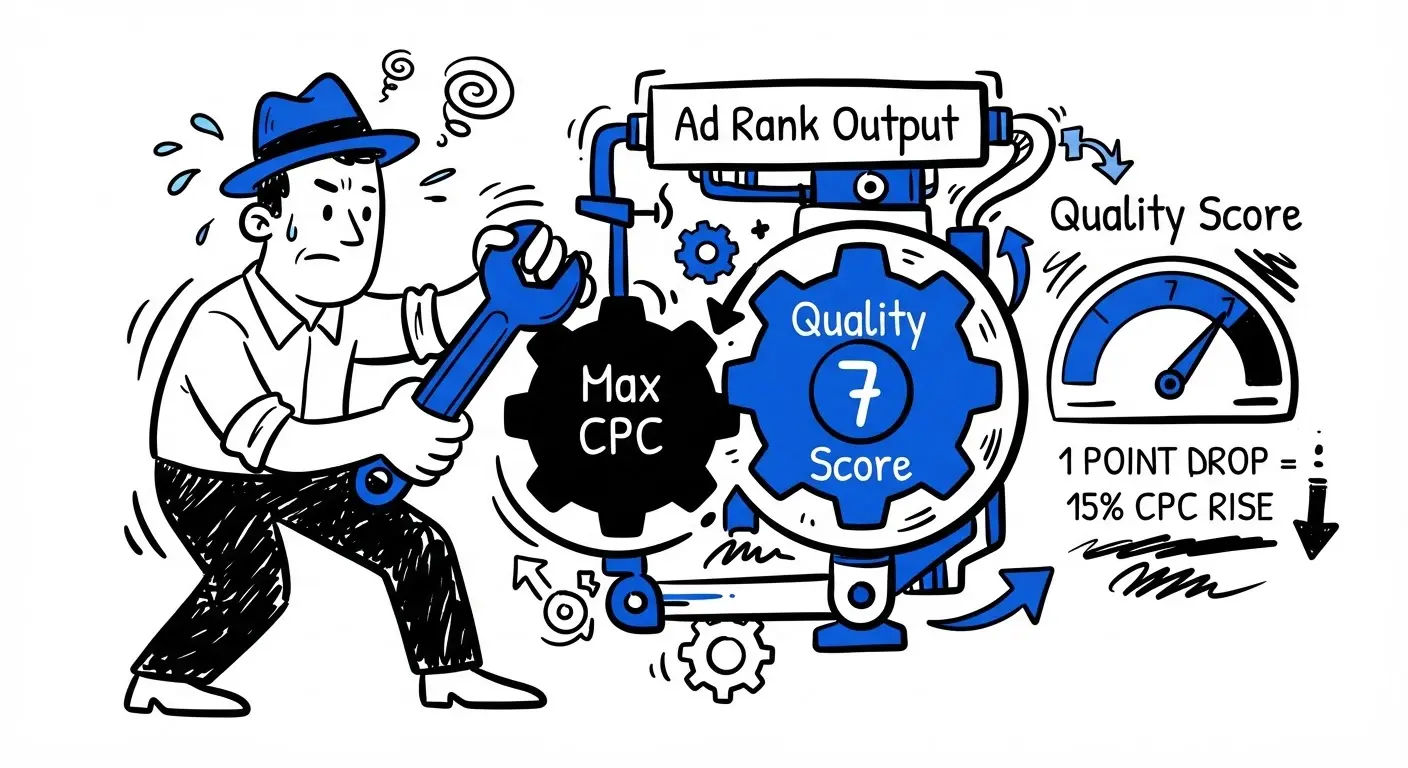
Google ranks ads by Ad Rank, which equals Max CPC multiplied by Quality Score, then adjusted by ad extensions and format, per Google Ads documentation. Same position, different cost.
Quality Score runs 1-10. It rates keyword-to-ad relevance, expected click-through rate, and landing page experience, per Google Ads help. Average score across accounts sits at 7 in 2026. Drop a point, your CPC rises roughly 15% on that keyword.
 Bid modifiers run by device, location, time of day, and audience. Mobile adjustments averaged +20% across retail campaigns through 2025, per WordStream's 2026 PPC benchmarks. That pushes mobile CPCs above desktop for retail, despite similar conversion rates.
Keywords PPC gives back to SEO
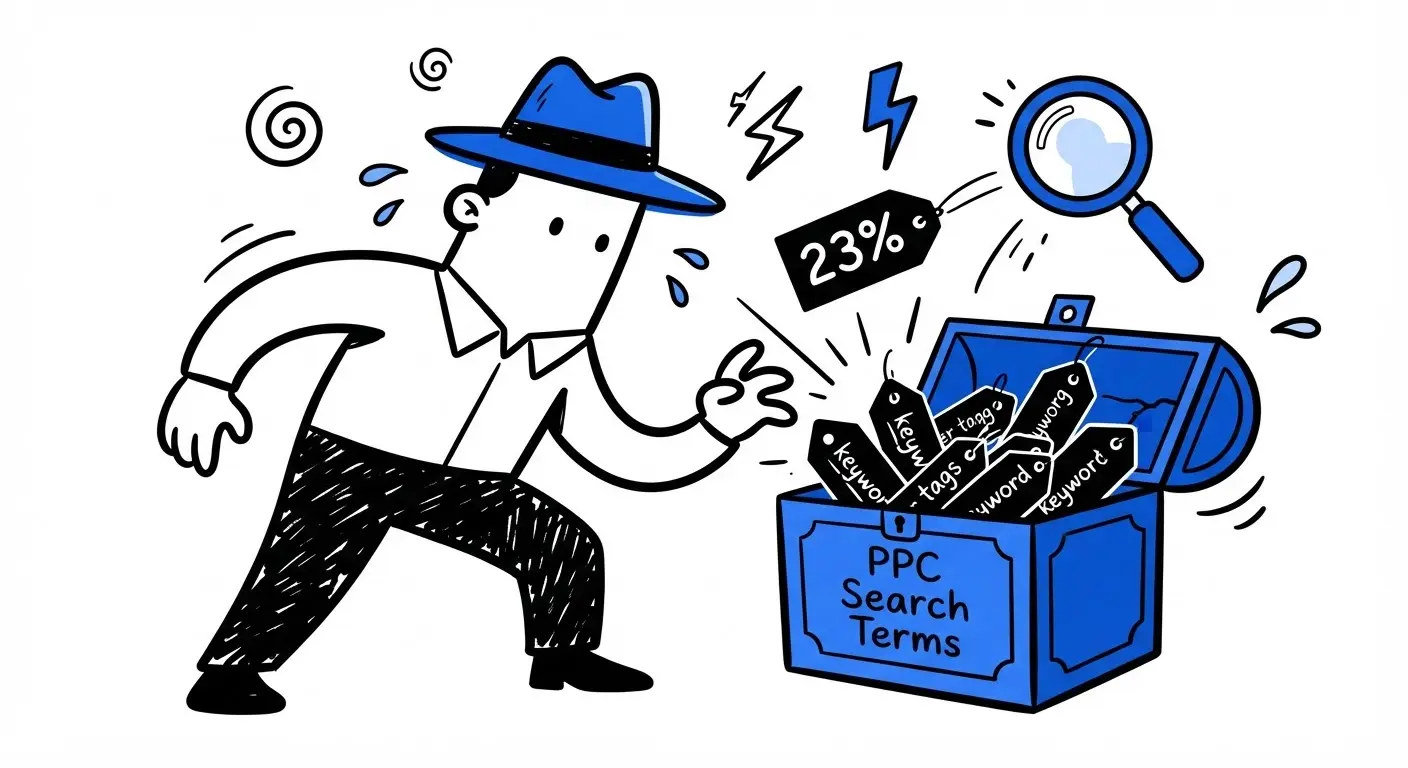
PPC search terms reports surface converting queries. These terms often have measurable search volume but slip past SEO keyword tools. The long-tail phrasing looks too specific for rank trackers to flag. WordStream's 2026 benchmarks show 23% of converting paid terms never appear in organic rank trackers.
Run your paid search terms report quarterly. Filter to terms with conversion rates above 3% and at least 20 impressions per month. These represent validated commercial intent that organic content can target next. The cycle runs roughly 90 days from paid validation to organic page ranking.
Match types changed the gating. Broad match with automated bidding now matches user intent signals over literal phrasing, per Google Ads' broad match documentation. Your paid reports reveal intent clusters, not exact queries. Feed those clusters to SEO briefs.
The hand-off has a known failure mode. SEO briefs often treat paid search terms as exact-match targets. They are not. They are evidence of demand for a topic cluster. Page one organic ranking requires covering the cluster, not the seed phrase alone.
Reading paid and organic in one view
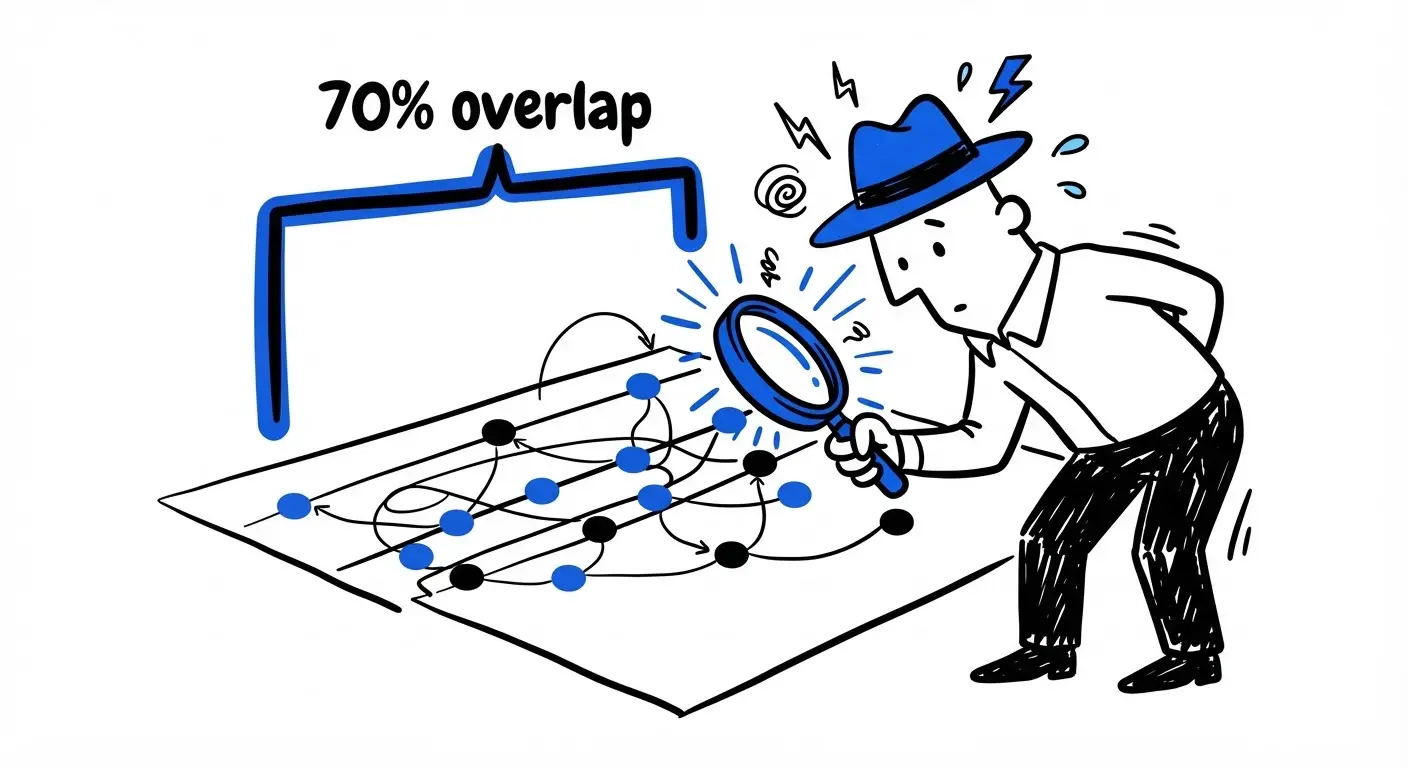
Last-click attribution credits the final touchpoint. PPC reports overstate their own contribution by 2-3x on multi-touch journeys. Google Ads' 2025 attribution documentation notes 70% of paid conversions include prior organic touchpoints. Treat each channel's self-reported numbers as inflated.
Compare impression share between paid and organic on the same query cluster. If paid impression share runs 80% but organic ranks position 8-12, your SEO work has a clear runway. Run both channels for 90 days. Track assisted conversions. Layered value looks redundant on first pass.
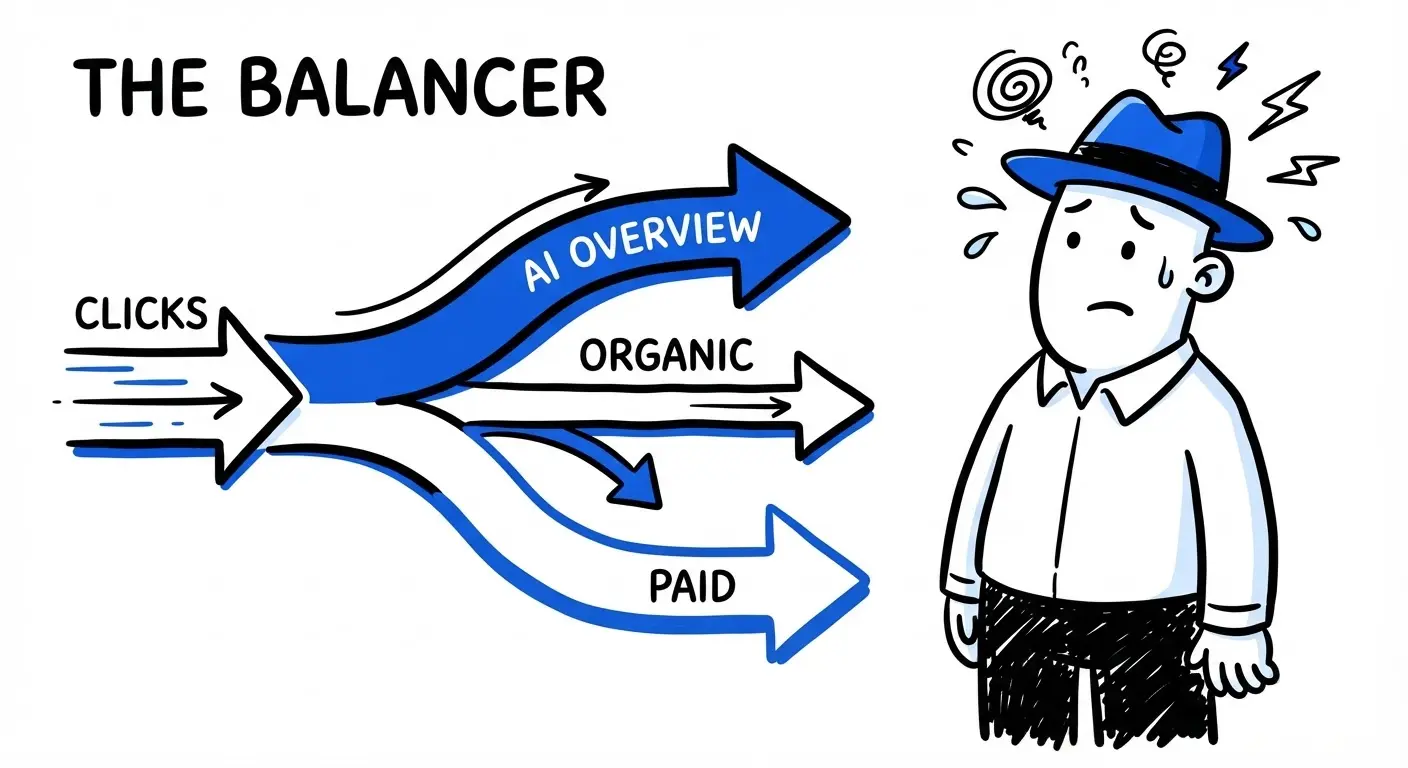
CTR compounds across SERP formats. A query returning an AI Overview, a top organic result, and a paid ad splits user attention. Per Ahrefs' February 2026 update, AI Overview queries see a 58% CTR drop on the top organic result. Paid positions absorb some of that lost attention.
The budget allocation test
Paid contributed 38% of attributed revenue in Q1 2026 against organic at 29%, per the dashboard the director sent at 5pm. Direct and email took the rest. The Slack thread asks which channel grew faster.
Measure incrementality, not attribution share. Paid and organic overlap heavily on commercial-intent queries. The real question is what happens when paid is paused. According to First Page Sage's 2026 incrementality study, organic search absorbs only 28% of paid traffic loss. Paid drives net-new demand organic alone does not recover.
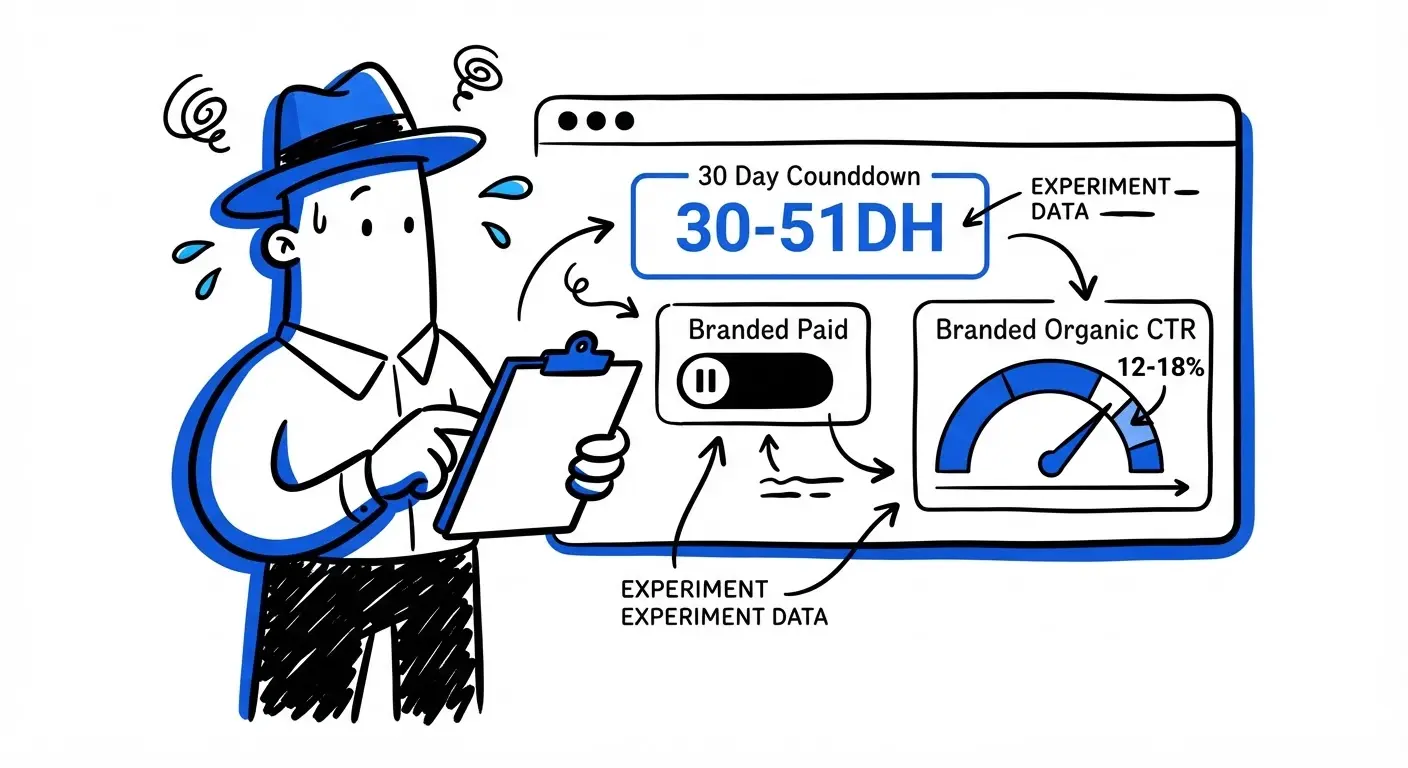
A practical test: pause branded paid search for 30 days, hold other variables constant. Branded organic CTR drops 12-18% during that window. The lost clicks are incremental paid value. Repeat for non-branded campaigns at lower budget. The data shows which paid spend compounds with organic and which substitutes.
Note the gap. This post draws on 2025-2026 data from four publishers: Google Ads Help, WordStream, Ahrefs, First Page Sage. Some vertical-specific PPC benchmarks remain paywalled and could not be verified at writing time.
Related Articles
Discover more insights about web development and digital marketing