5 min read
Explore where paid placements sit on the 2026 SERP, click share economics, the AI Overview squeeze on paid CTR, and how to run a paid placement check for your campaigns.
Paid placements cluster in three distinct zones across the rendered SERP: top slots above organic, bottom slots near scroll exhaustion, and mid-page interleaving inside AI Overview blocks. Paid CTR faces 11% compression when AI Overviews appear alongside.
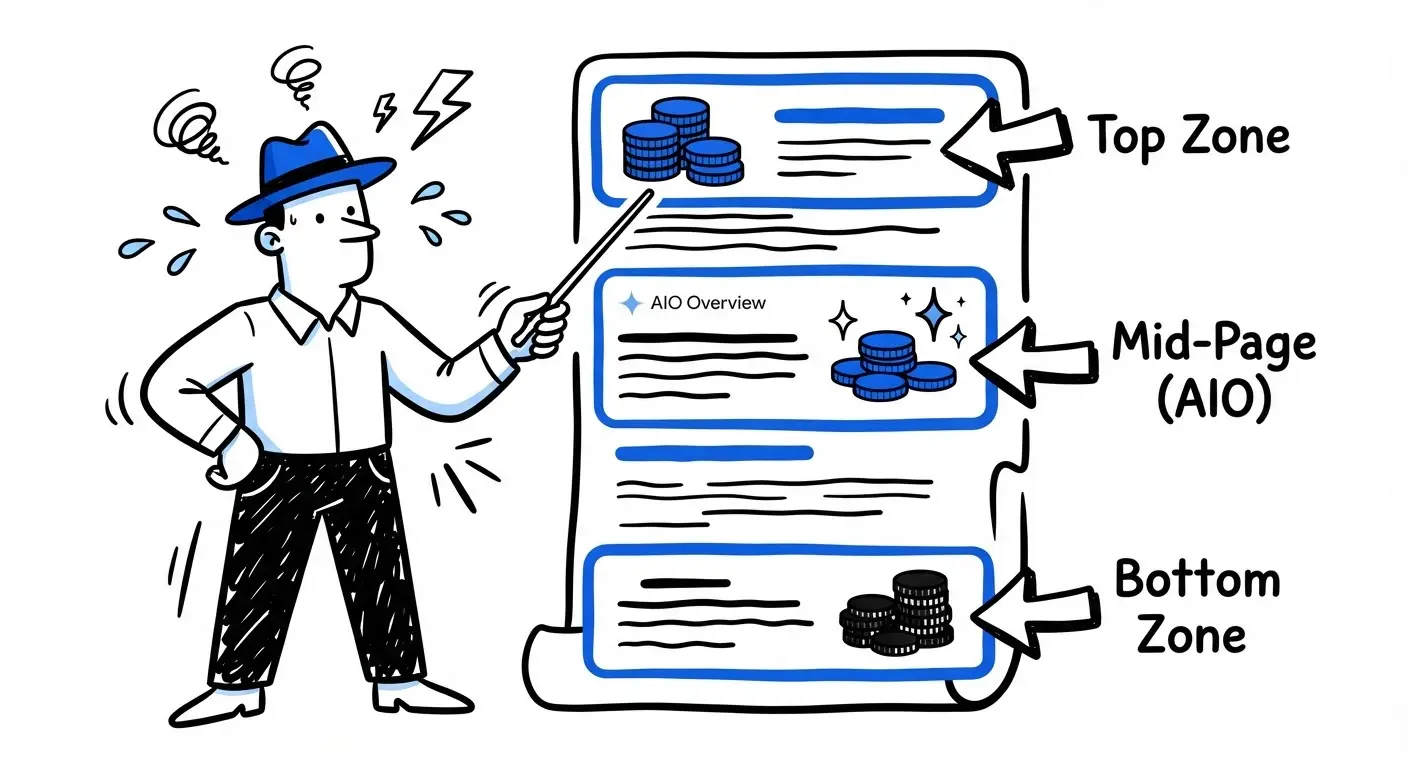
Paid placements cluster in three distinct zones across the rendered SERP. Top slots sit above the organic blue-link layer. Bottom slots anchor the end of the rendered page near scroll exhaustion. Mid-page interleaving now materializes inside AI Overview blocks, per Semrush's October 2025 study of 10M+ keywords.
Top positions still win the auction across every query category. Google expanded bottom-of-page ads on April 21, 2025 to handle overflow inventory that no longer fit above organic (Google Ads announcements). Bottom slots draw a small fraction of top CTR. Worth knowing before bidding on them.
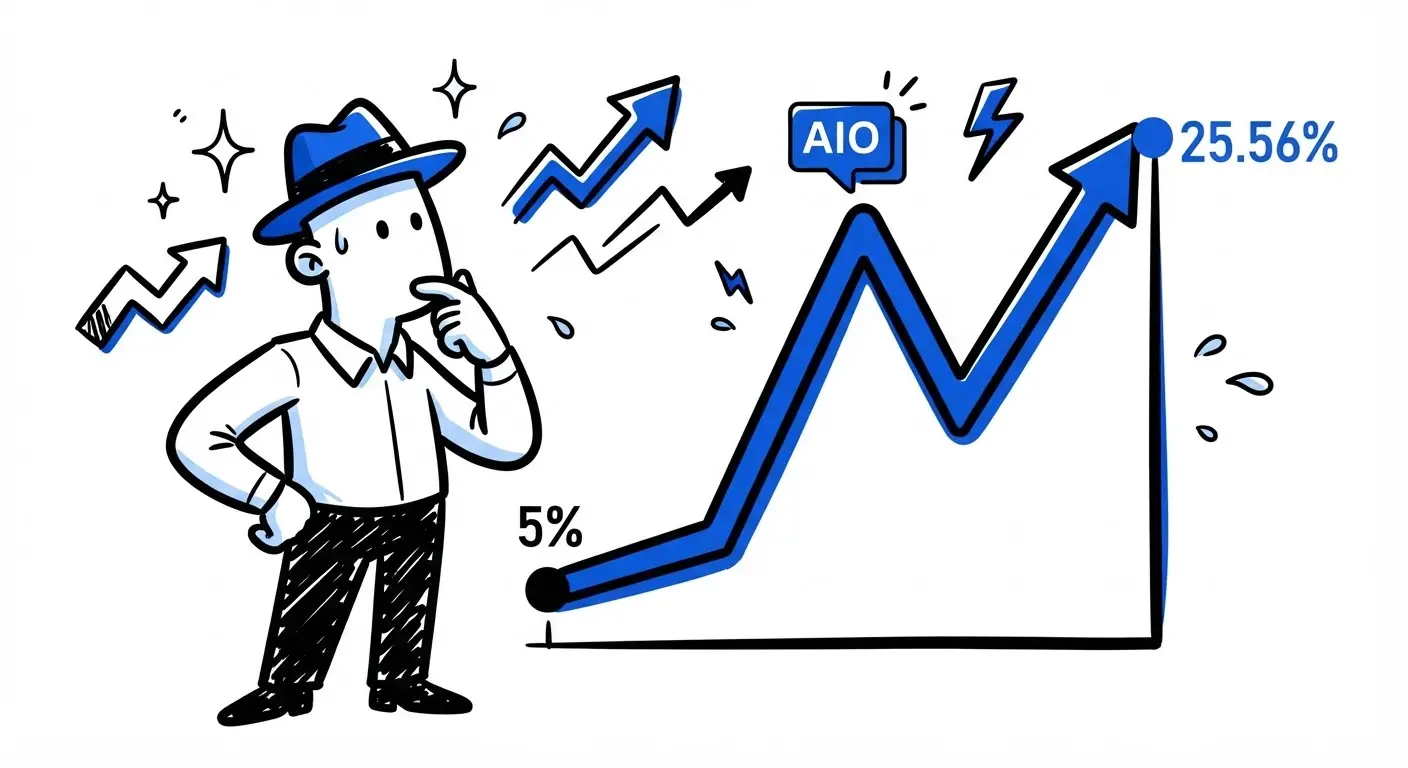
Placement moved substantially in 2025. SERPs pairing ads alongside AI Overviews grew 394% in 8 months, per Semrush's October 2025 release. Paid slots now sit inside generated answer blocks across monitored query categories.
Ad density varies substantially by query type and intent classification. Commercial queries routinely demonstrate four paid slots above organic in the monitored dataset. Informational queries often demonstrate zero ads. The auction clears faster when commercial intent positions itself in the query string than when informational intent positions itself there.
Top paid positions drive the majority of clicks within the paid layer across monitored query categories.
Ad Position 1 averages 2.1% CTR. Position 2 positions itself at 1.4%. Position 3 falls to 1.3%. Position 4 lands at 1.1%, per First Page Sage's 2026 meta-analysis of CTR by ranking position across thousands of paid search campaigns.
Organic still dominates the overall click share across the rendered SERP.
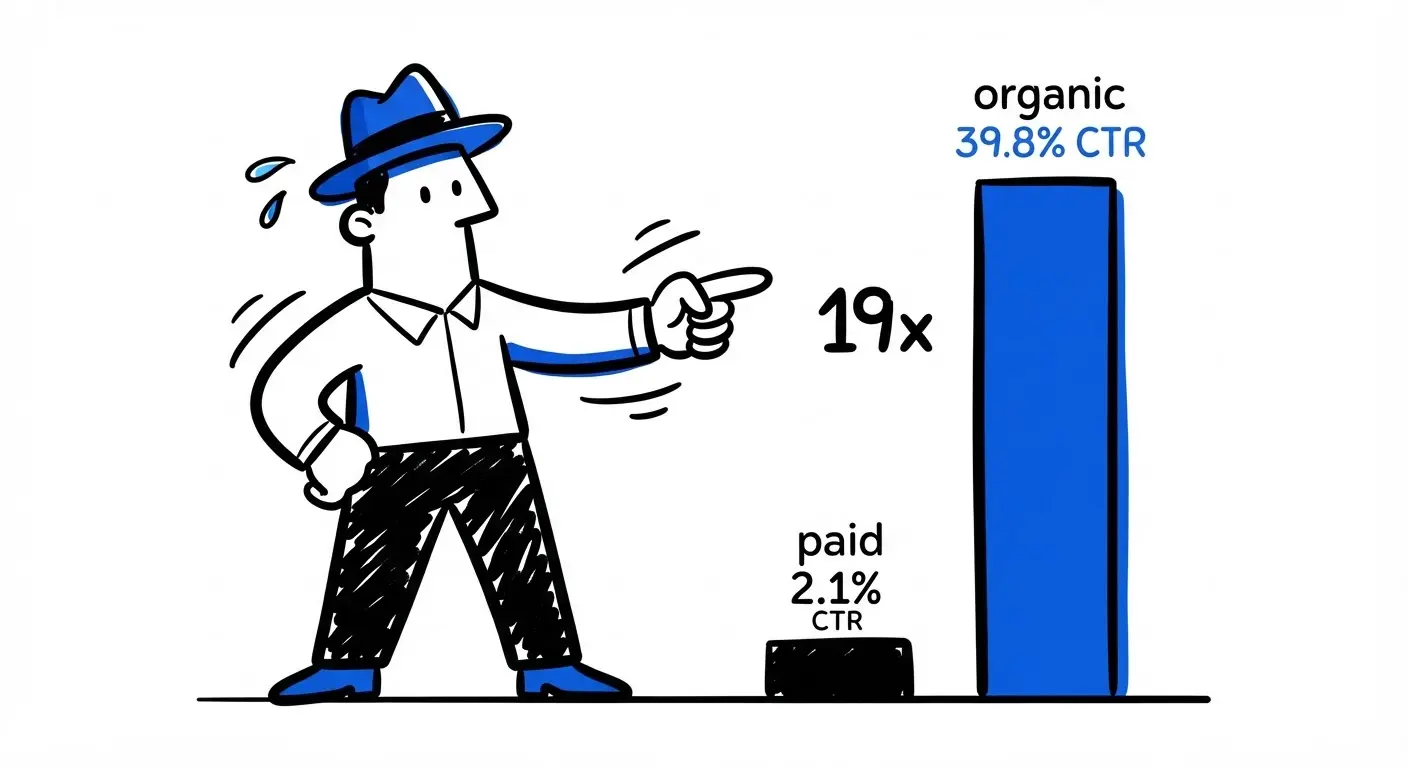
The top organic result captures 39.8% of clicks in the monitored dataset. The top three distinct organic results collect 68.7% of total click share. The first organic position earns 19x the clicks of the first paid position. Paid slots complement organic presence, not substitute.
CPC expenditure keeps climbing year over year across monitored verticals. CPC rose 12.88% across 87% of industries WordStream tracked through 2025. Education and Beauty saw increases north of 40%. WordStream's 2025 benchmark across 16,446 US search campaigns showed a 6.66% blended CTR and $5.26 average CPC.
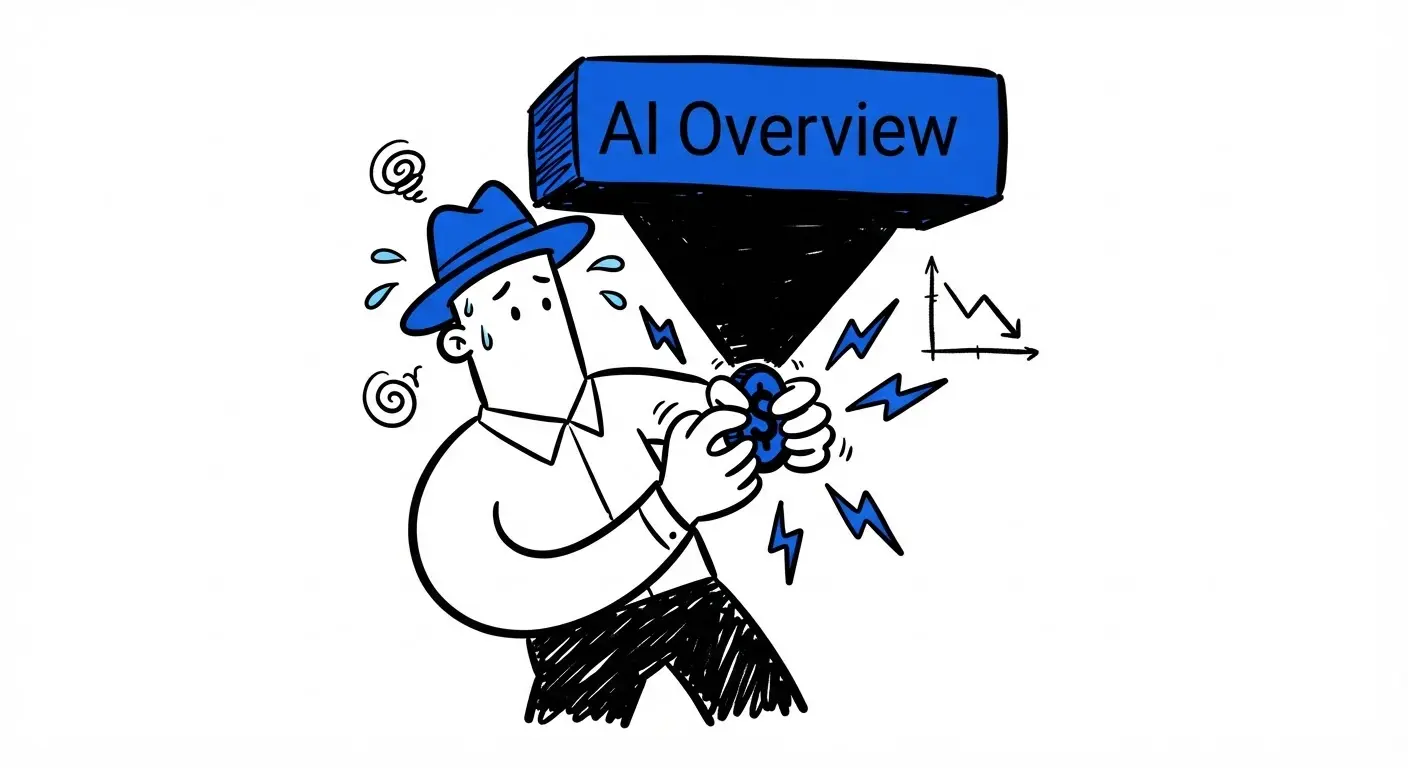
AI Overviews compress paid clicks measurably across monitored queries. First Page Sage's 2026 update showed top-three distinct paid CTRs dropped from 1.7% to 1.5% on SERPs that trigger an AI Overview. Eleven percent compression on the paid layer alone.
Organic CTR barely moved across the same dataset. The same First Page Sage analysis showed organic results hold their click share even when AI Overviews materialize alongside. Paid absorbed the displacement. The auction cleared at lower click totals than the pre-AIO baseline.
Placement pairing compounded rapidly across 2025. Google Ads appeared on 25.56% of AI Overview SERPs by October 2025, per Semrush's 10M keyword study. The March 2025 baseline sat at 5%. Eight months of compounding growth in monitored queries.
Ad inventory inside AI Overviews now competes alongside both organic citations and traditional paid slots above.
Bidding now fights two opponents. You bid against other advertisers for the slot. You also fight the AI Overview for the click itself. Quality Score and asset count matter additional on these SERPs than on traditional layouts.
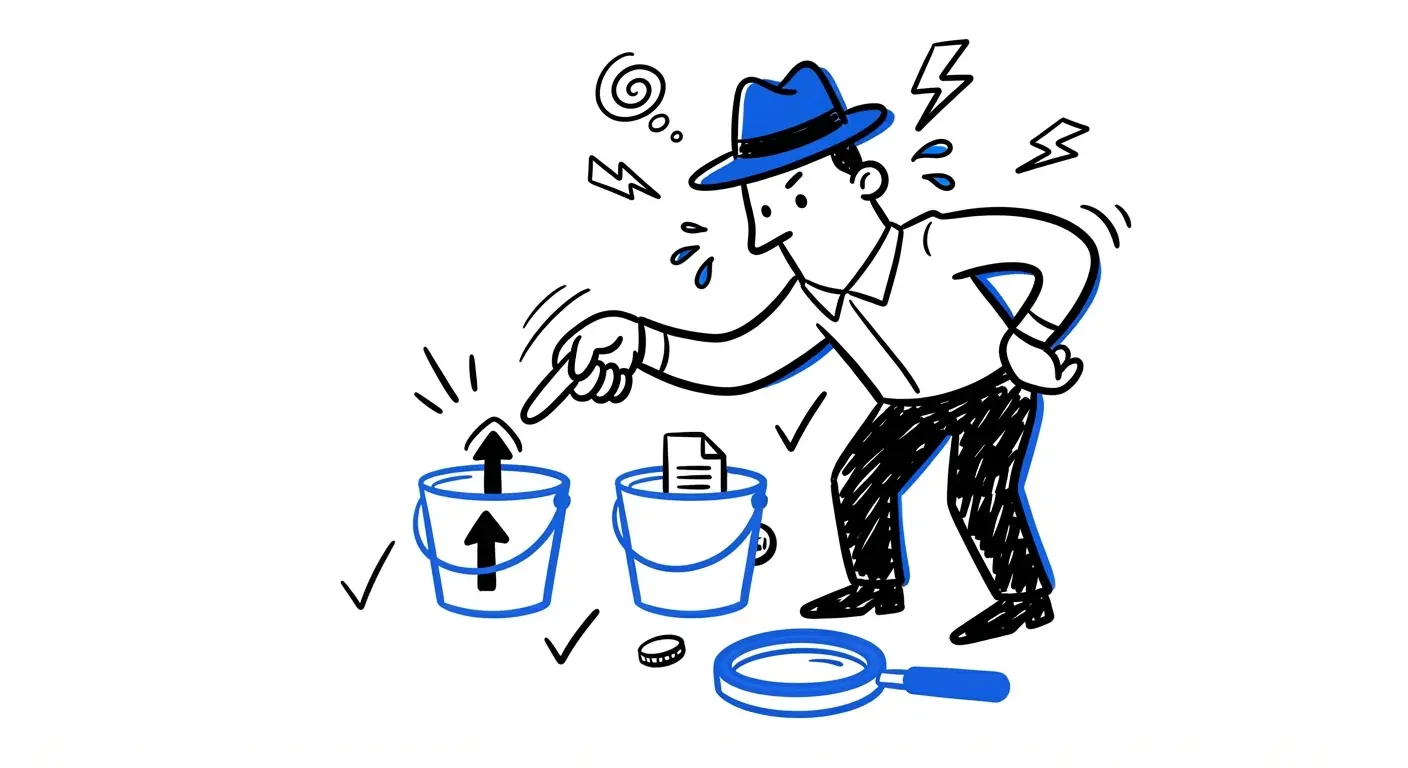
Open Google in incognito and search your target query. Count paid slots above organic. Count paid slots inside the AI Overview block. Note whether shopping, local, or text ads materialize in the rendered canvas. This is the live SERP your bidders see.
Pull impression-share data from Google Ads. Filter to top-of-page and absolute-top metrics. Compare impression share lost to rank versus budget. Your placement gaps fall into one of three distinct buckets across the monitored dataset.
Bucket one is a rank gap. Raise bids or improve Quality Score. Bucket two is a budget cap. Reallocate from query types that demonstrate no paid slots to ones that do. Bucket three is a format gap. Add image assets, sitelinks, and callouts. Re-run the check after every algorithm update across 2026.
Google pushed bottom-of-page ad expansion on April 21, 2025 (Google Ads announcements). Placement economics shift faster than bidding strategies. Refresh the picture monthly.
Discover more insights about web development and digital marketing