SEO vs PPC: 8 Strategies for 2026
Learn 8 strategies for balancing SEO and PPC in 2026. Test keywords with paid search, own informational queries organically, layer attribution, and investigate query drops.
Dilshad Akhtar
Last updated: 25 June 2026
6 min read
TL;DRAI summary
- PPC charges per click (averaging $2.69 legal, $2.41 B2B, $1.31 e-commerce); SEO costs $1,500-$5,000 monthly retainer on average
- Strategy 1-2: Test keywords with PPC, then bid on competitors — reduces SEO waste by 35%
- Strategy 3-4: SEO owns informational queries (70% of clicks), PPC owns time-sensitive campaigns with 60-80% allocation for first 90 days
- Strategy 5: Layer both channels in attribution — each channel overstates its own contribution by 2-3x on multi-touch journeys
- When a target query drops 20%+ in 7 days, check for AI Overviews — they correlate with 58% lower CTR for top-ranking pages
PPC charges per click and delivers within 24 hours. SEO charges in staff hours and delivers within months. The two budgets compound at different rates and respond to different inputs, making layered strategies the only approach that captures full search channel value.
The cost structure split
PPC charges per click. SEO charges in staff hours. The two budgets do not compare directly. They compound at different rates and respond to different inputs, per First Page Sage's 2025 SEO vs PPC analysis.
WordStream's 2026 PPC benchmarks report average cost-per-click across Google Ads at $2.69 for legal, $2.41 for B2B services, $1.31 for e-commerce. SEO retainer costs average $1,500-$5,000 monthly for small businesses, per Backlinko's 2026 pricing data.
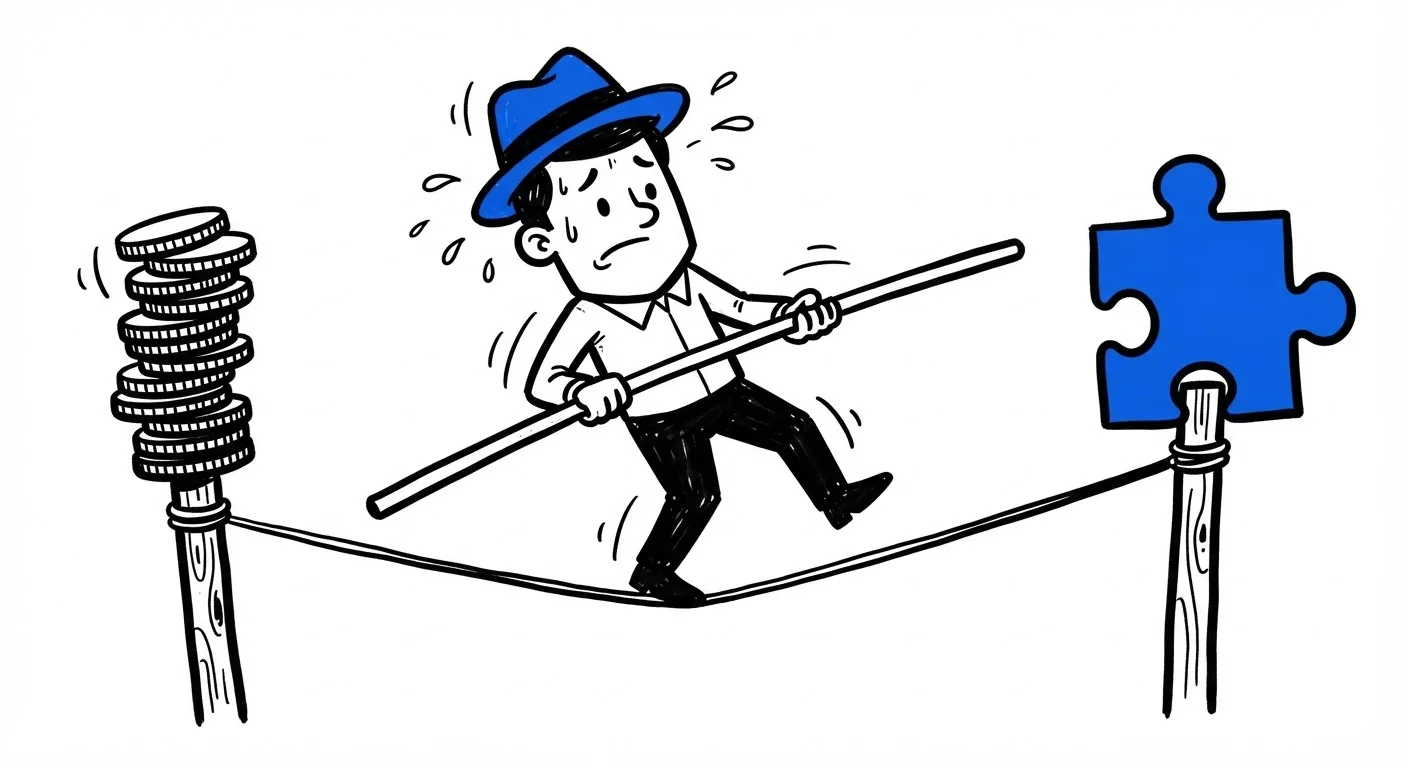
The investment timeline differs. PPC delivers first-click attribution within 24 hours of campaign launch. SEO delivers ranking position within 3-6 months. Strategy depends on which timeline your business can absorb. Run them layered, not sequentially.
Strategy 1-2: Test keywords with PPC, then bid on competitors
Run PPC campaigns on 10-20 candidate keywords before committing SEO resources. Measure conversion rate and revenue per click. Bid on the top 20% by conversion rate. Direct SEO effort toward those same terms once you know they convert.
HubSpot's 2026 State of Marketing report shows that teams using PPC as a keyword discovery mechanism reduced SEO waste by 35% compared to teams guessing keyword value from search volume alone.
Most industries allow bidding on competitor brand names in paid search. Brand-term competitor bids deliver average cost-per-click of $1.42 versus $4.50 for generic terms, per WordStream's 2026 PPC benchmarks.
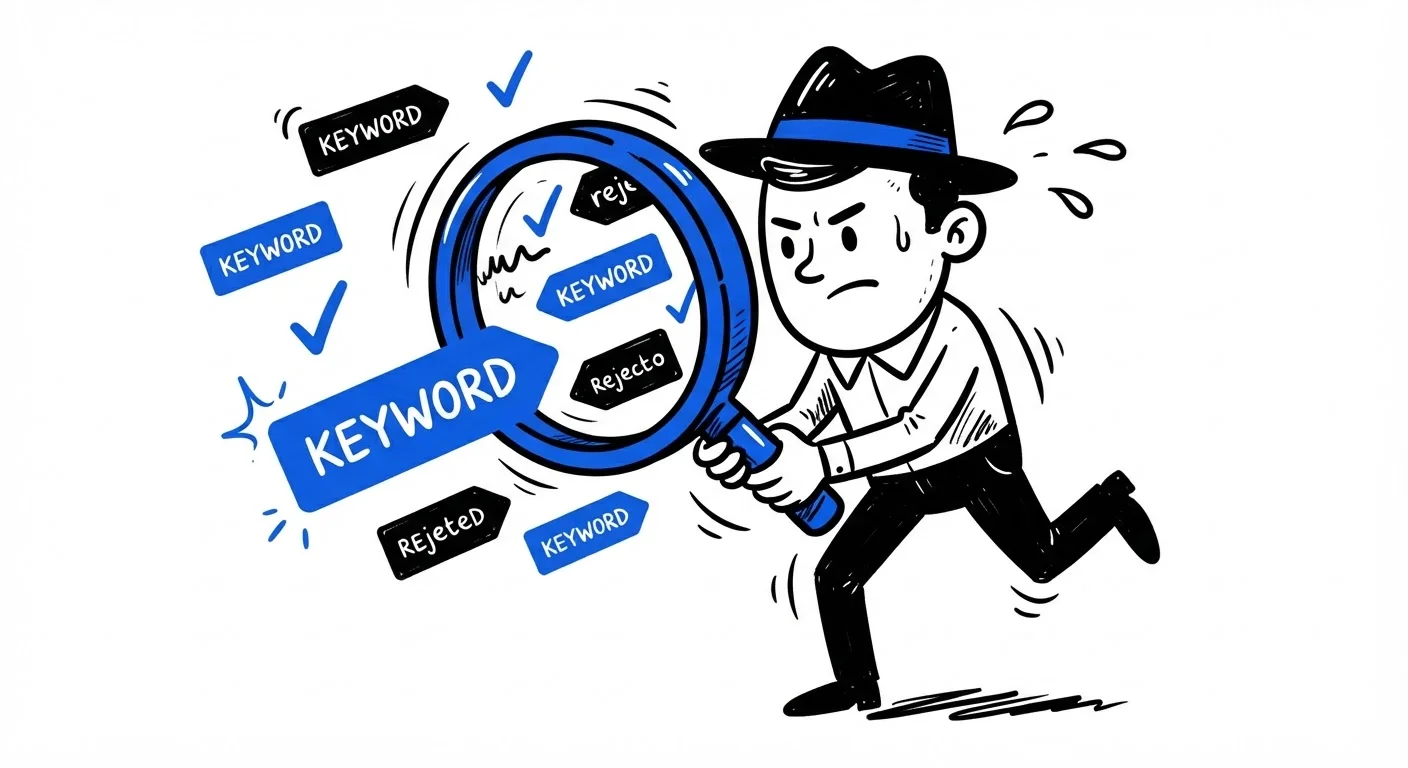
That is a 3x efficiency ratio. Pair the bid with an SEO comparison page that ranks organically for the same brand-name query. Your conversion rate on that competitor's traffic roughly doubles.
Strategy 3-4: SEO owns informational, PPC owns time-sensitive
PPC costs on informational search queries average $0.85 but convert at 1.2% across verticals. SEO content targeting the same queries produces traffic at near-zero marginal cost once ranked.
According to Ahrefs' 2026 search statistics, organic content captures 70% of clicks on informational queries where no AI Overview appears. The math favors SEO on informational terms. Save PPC budget for commercial-intent queries.
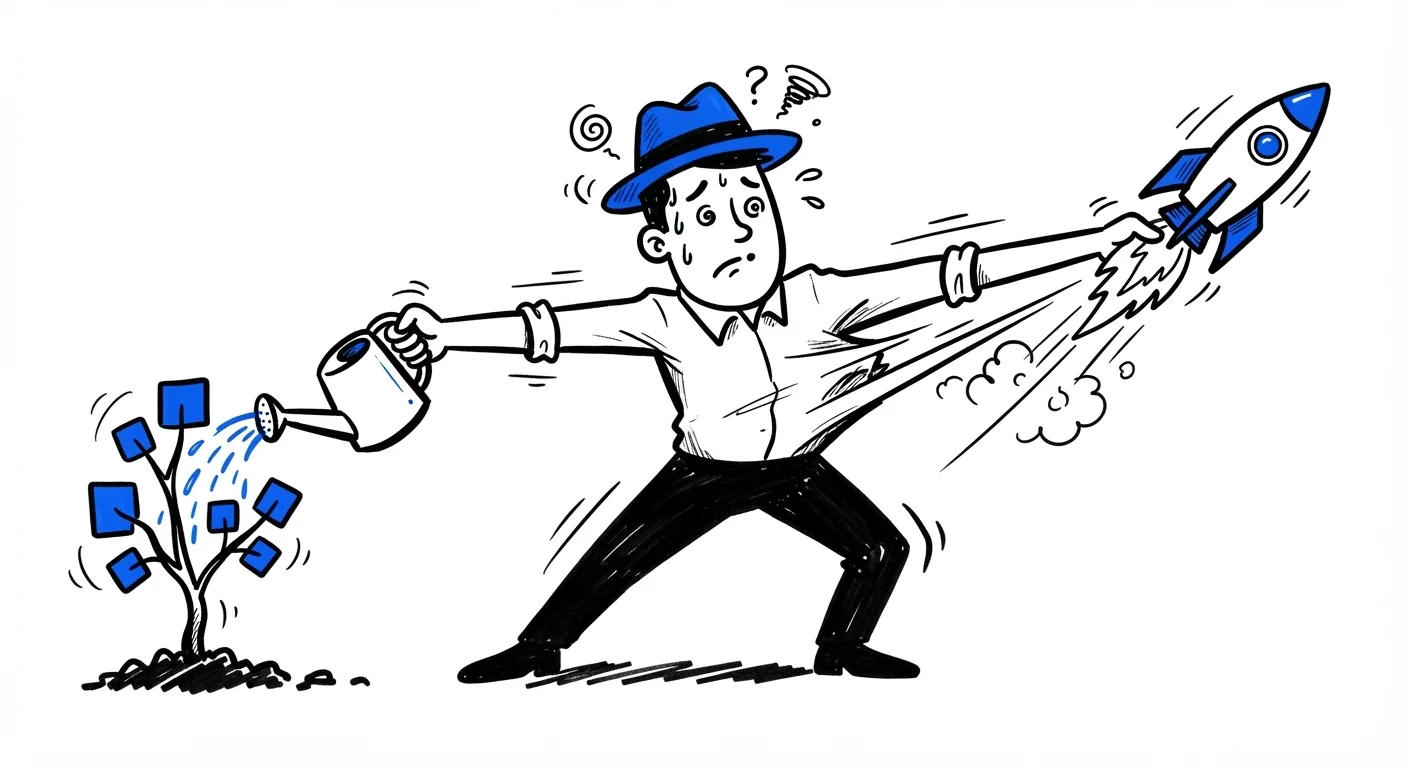
Product launches, seasonal offers, and event-driven campaigns compress the time window for traffic capture. SEO ranking takes 3-6 months to mature. PPC delivers first-click traffic on launch day.
Allocate 60-80% of time-sensitive campaign budgets to PPC for the first 90 days. Reduce PPC spend as SEO rankings build for those terms over 6 months. The handoff is the work.
Strategy 5: Layer both channels in attribution
PPC reports last-click attribution and credits itself for conversions that organic search initiated. SEO reports the inverse. Each channel overstates its own contribution by 2-3x on multi-touch journeys.
Google Ads' 2025 attribution documentation shows 70% of conversions involve multiple touchpoints across paid and organic channels. Use attribution models based on actual conversion contribution, not last-click position.
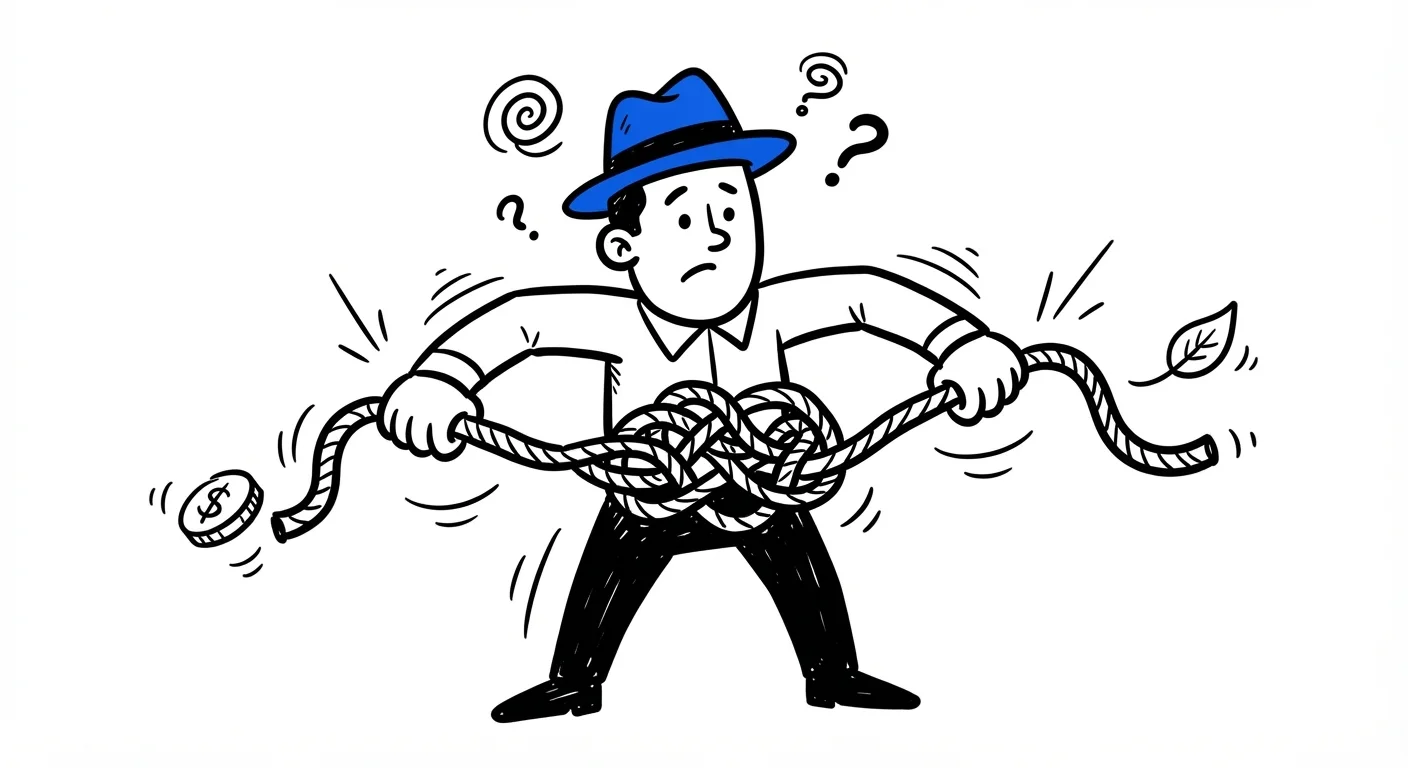
Look at assisted conversions. The picture is layered. Channels that appear to underperform on last-click often drive the bulk of multi-touch value.
Query-drop investigation
When a target query drops 20%+ in 7 days, you open GSC and filter to that query alone. You compare the page ranking for it before and after the drop. You check whether an AI Overview now appears for that query.
If an AI Overview appeared, your click share dropped. Google answered the query directly without sending users to your page. Per Ahrefs' February 2026 update, AI Overviews correlate with a 58% lower CTR for top-ranking pages.
The fix is structured data markup and entity associations. The gain is partial. Acceptance is the work.
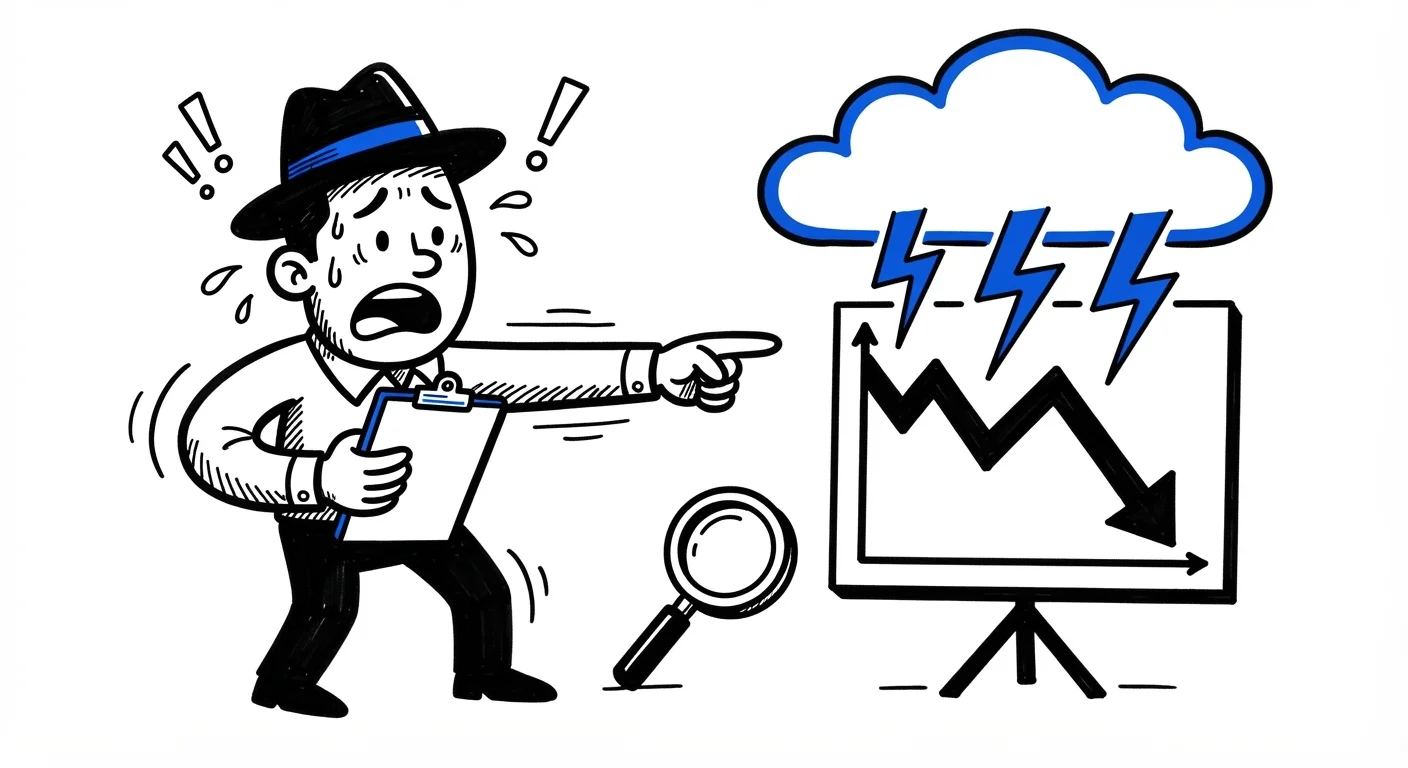
You re-investigate after 14 days. If the page is still dropping, you rewrite the content with explicit citation patterns and FAQ schema. If it stabilizes, you document the pattern and move on. Each query teaches a pattern.
Note the gap. This post covers 2025 and 2026 data from four sources: First Page Sage, WordStream, Backlinko, HubSpot. Several PPC benchmark reports for niche verticals are not publicly available as of writing.
Related Articles
Discover more insights about web development and digital marketing