Programmatic Advertising vs Paid Search: 8 Strategies for 2026
Programmatic ad spend reached $725 billion globally in 2025, accounting for 89% of digital display ad spend. Learn what programmatic cannot do and how it complements paid search.
Dilshad Akhtar
Last updated: 11 July 2026
5 min read
TL;DRAI summary
- Programmatic ad spend reached $725 billion globally in 2025, 89% of digital display ad spend
- Programmatic targets audience segments; paid search targets keyword intent
- CTV programmatic spend grew 22% year-over-year through 2025
- Programmatic cannot target keyword intent directly — that gap is what paid search fills
- Audit the overlap monthly: layering both channels produces higher total return than optimizing either alone
Programmatic advertising is the automated buying and selling of digital ad inventory through real-time auctions. The system runs across display networks, video networks, audio platforms, and connected TV environments. Programmatic operates separately from paid search, which targets keyword-based intent on search engines.
What programmatic advertising is
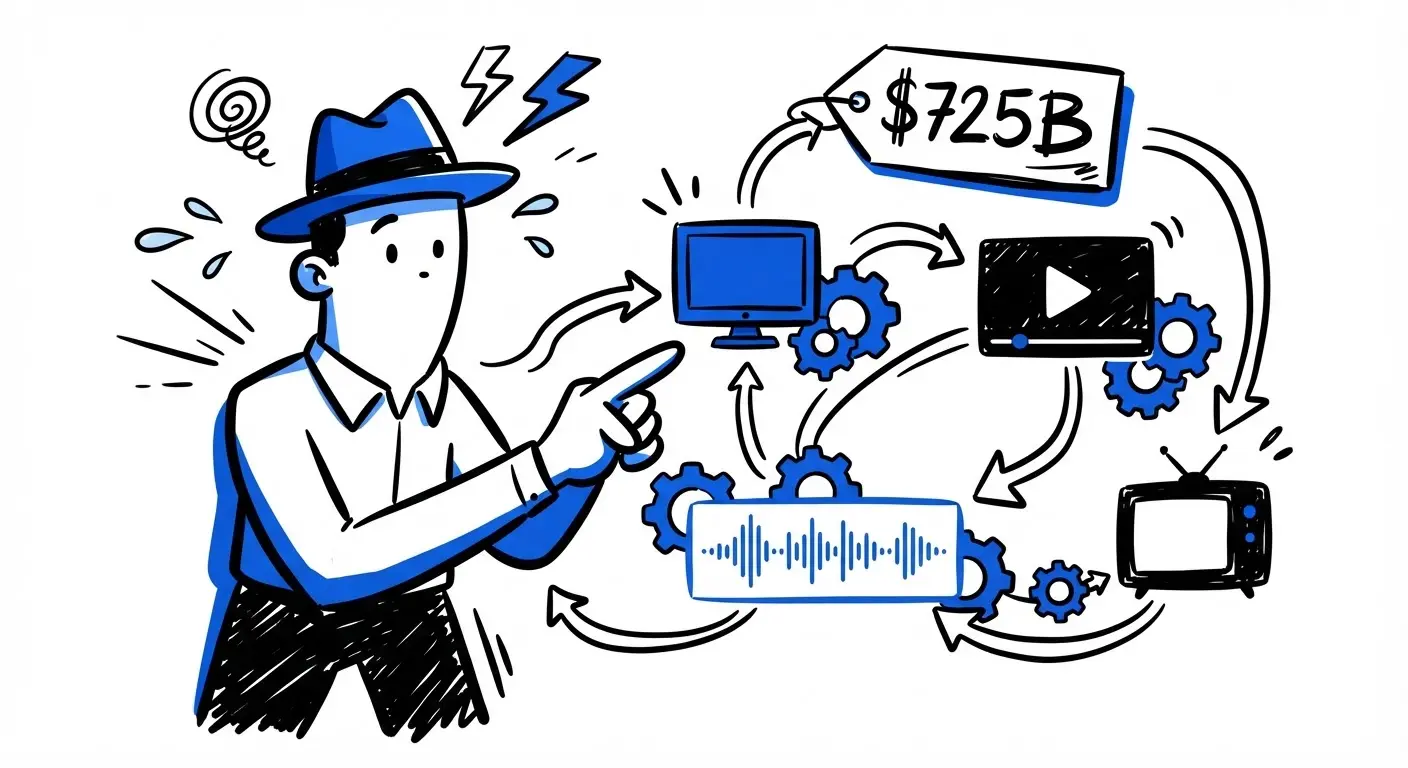
Per Cience's 2026 programmatic advertising guide, programmatic ad spend reached $725 billion globally in 2025, accounting for 89% of total digital display ad spend. The volume exceeds paid search ad spend by 4-5x in absolute terms across all monitored markets.
Programmatic advertising uses different targeting signals than paid search. Paid search targets keyword intent signals on search engines. Programmatic targets audience segments, contextual relevance, and user behavior across the open web.
The eight strategies that work
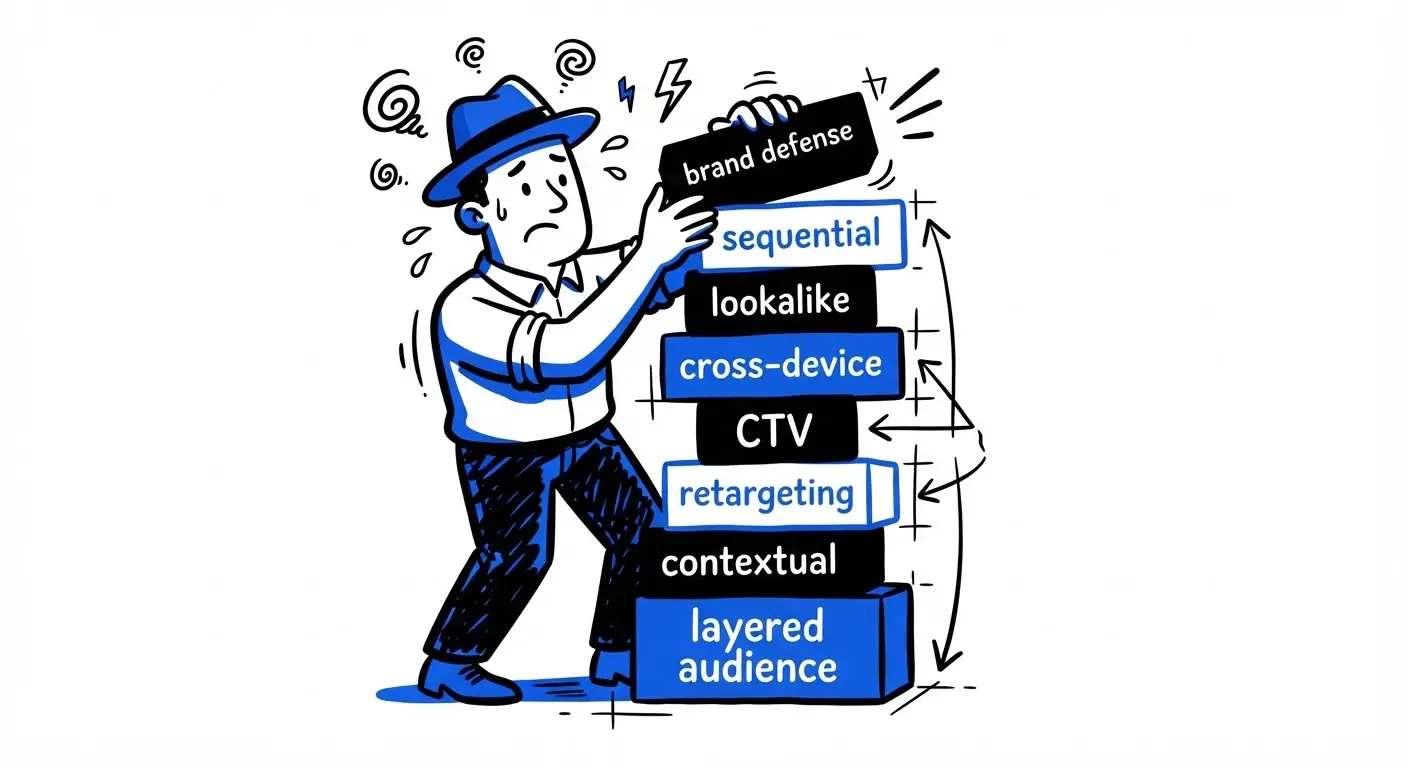
Strategy 1 covers layered audience targeting. Programmatic supports first-party data onboarding through clean rooms and CRM integration. Paid search supports similar audience layering through Customer Match. Both work, but the data sources differ across channels.
Strategy 2 covers contextual placement. Programmatic excels at contextually relevant placement across thousands of publisher sites. Paid search lacks this surface area entirely. The two channels complement each other in coverage.
Strategy 3 covers retargeting via display versus RLSA. Programmatic retargeting through display networks re-engages users who visited specific pages. Paid search retargeting via RLSA layers audience signals onto keyword bids. Different mechanisms, similar conversion intent across both.
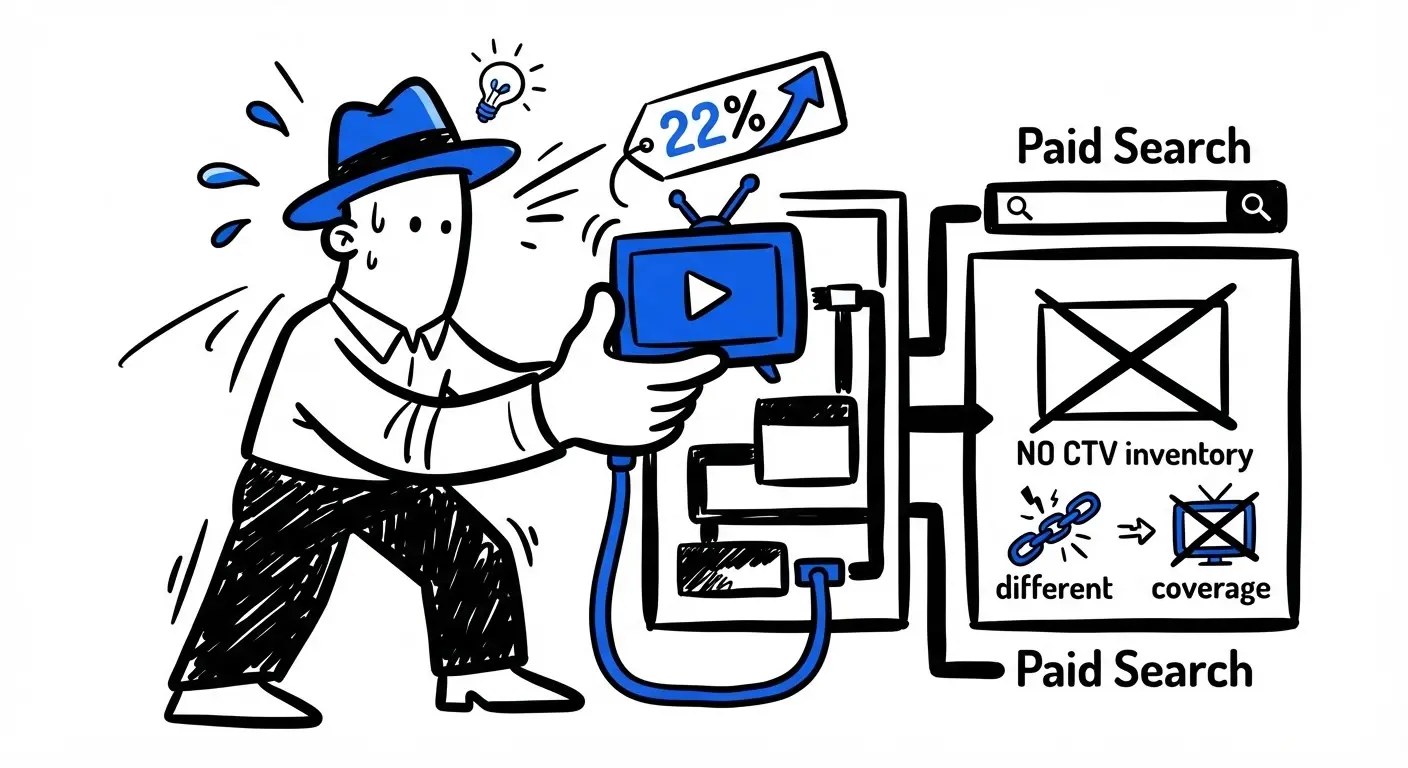 Strategy 4 covers connected TV. Programmatic CTV spend grew 22% year-over-year through 2025, per Scaleo's 2026 programmatic advertising analysis. Paid search has no CTV inventory. CTV adds reach that paid search cannot match.
The remaining four strategies cover cross-device attribution, lookalike modeling, sequential messaging, and brand defense via programmatic. Each addresses a specific gap that paid search cannot fill on its own.
What programmatic cannot do
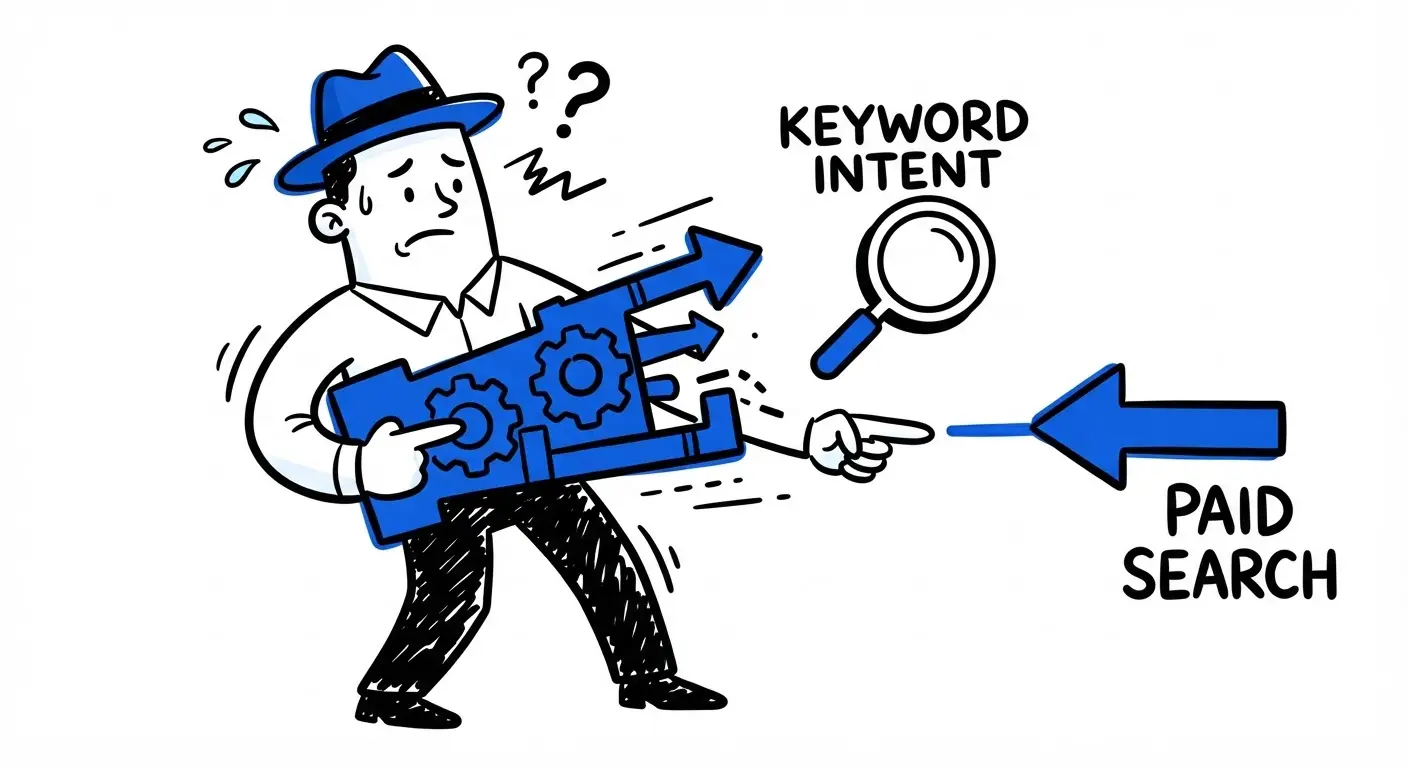
Programmatic cannot target keyword intent directly. Search queries carry explicit intent signals that display and video cannot replicate. Per Thunder Tech's 2026 programmatic vs GDN analysis, programmatic targeting operates at the audience-segment level while paid search operates at the query-intent level.
Programmatic also struggles with bottom-funnel conversions. Display and video placements generate awareness and consideration. Paid search captures the final click intent at decision moments. The conversion mechanics differ.
The two channels serve different stages of the customer journey. Programmatic builds awareness and retargets engaged users. Paid search captures existing demand at decision points. Layering both produces higher total return than optimizing either alone.
The programmatic overlap scan
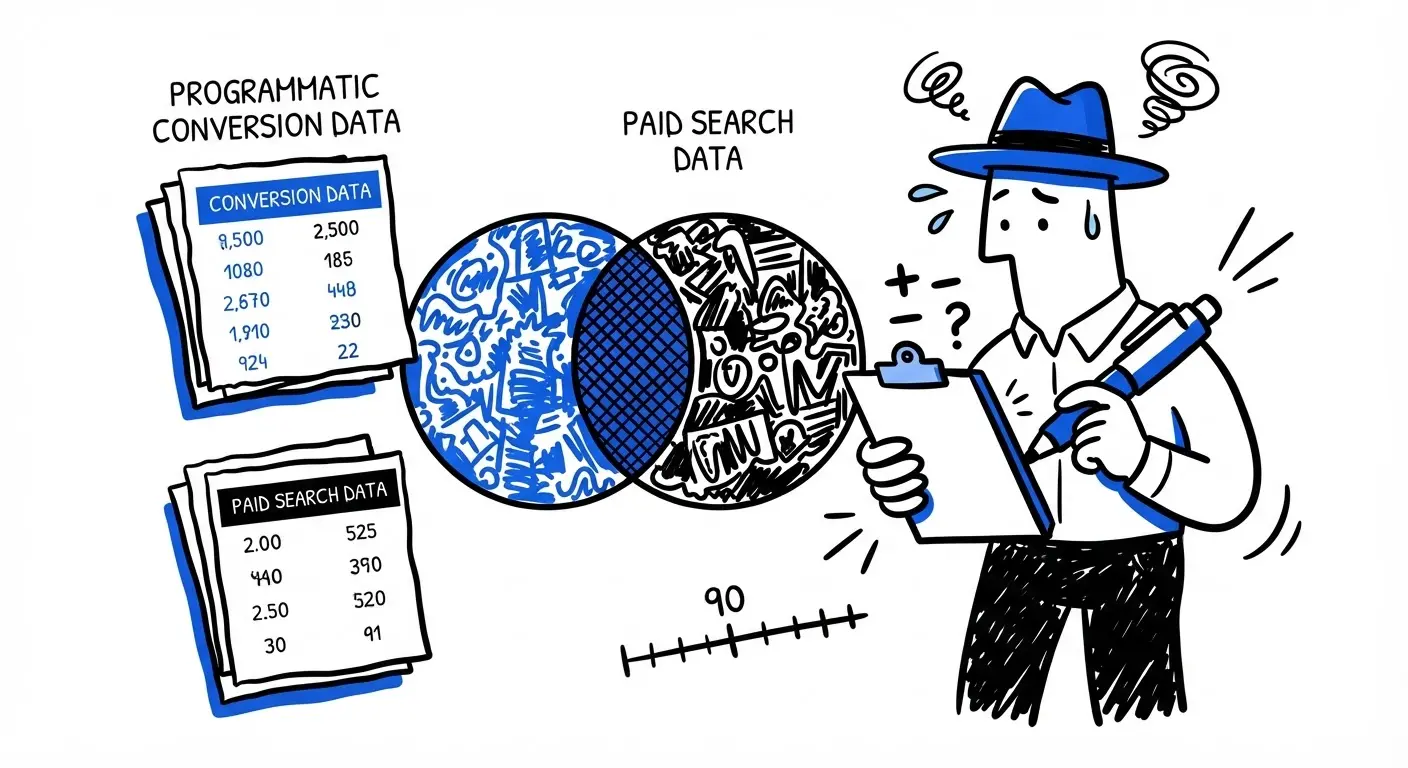
You pull your Google Ads conversion data and your DV360 or Trade Desk programmatic conversion data for the last 90 days. You map the user overlap between the two channels at the household level.
You calculate the incremental conversion lift from each channel. You compare the cost-per-acquisition for users reached by both channels versus single-channel users. The pattern reveals channel saturation effects.
Note the gap. This post synthesizes 2025 and 2026 data from three sources: Cience, Scaleo, and Thunder Tech. Two non-public programmatic auction algorithm details remain unpublished. Replication required.
Programmatic and paid search are complementary. Audit the overlap monthly.
Related Articles
Discover more insights about web development and digital marketing