SERP Features: Featured Snippets, PAA, and Knowledge Panels
Learn how featured snippets, People Also Ask boxes, and knowledge panels work in 2026, their click impact on organic results, and how to run a featured snippet hunt for your site.
Dilshad Akhtar
Last updated: 11 July 2026
6 min read
TL;DRAI summary
- Featured snippets appear in 12.3% of monitored queries and lift organic CTR by 8-12%
- People Also Ask boxes expand into 8-12 related queries, keeping users on Google
- Knowledge panels appear on 23% of commercial queries and 41% of branded queries
- PAA sources overlap 70-80% with rank-1 organic results
- Featured snippets are a side effect of ranking well and answering clearly
- Knowledge panels require entity authority through Wikidata, Wikipedia, and schema markup
SERP features are non-traditional results Google inserts into a search results page. Featured snippets pull a paragraph into position zero, People Also Ask boxes generate shifting question-and-answer chains, and knowledge panels display structured entity data from Google's Knowledge Graph.
What SERP features are
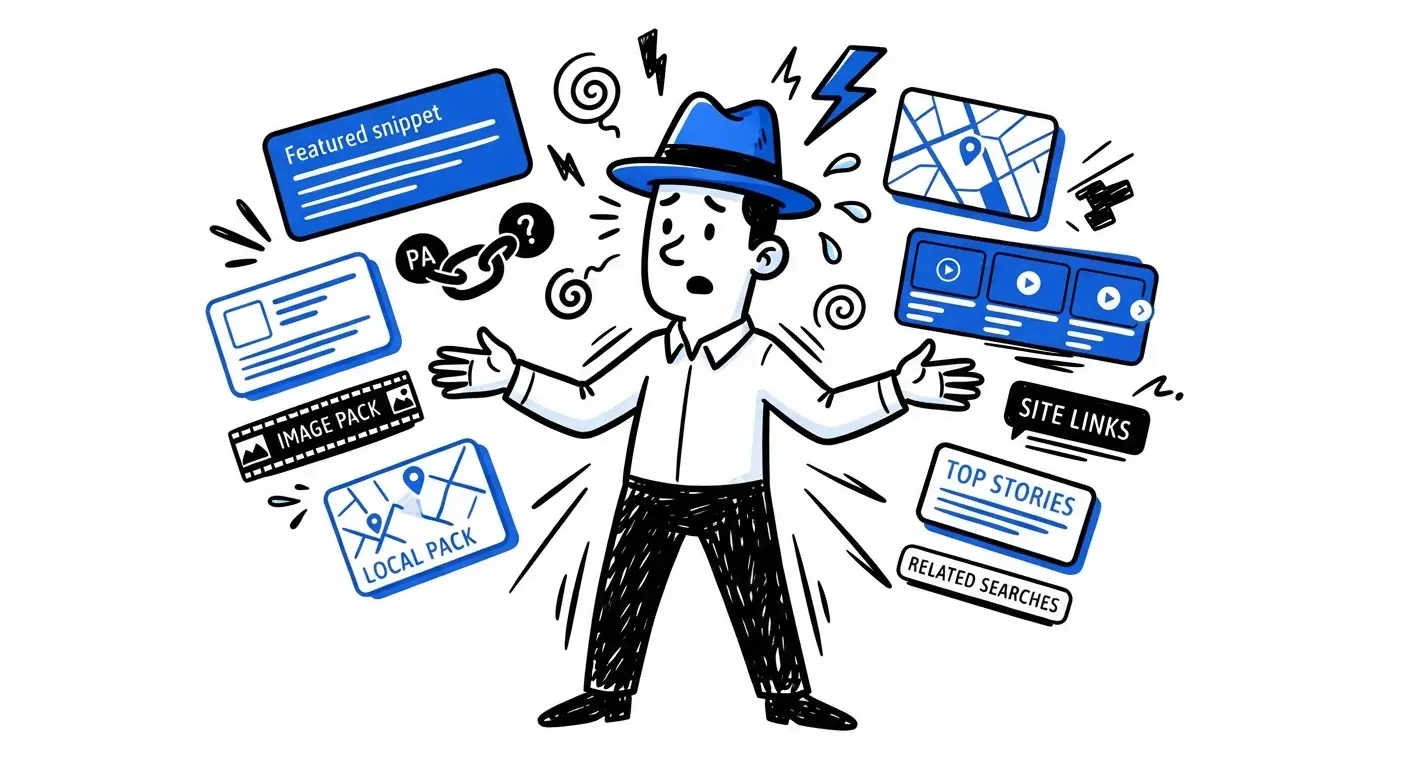
SERP features are non-traditional results Google inserts into a search results page. Featured snippets pull a paragraph from a page into position zero. People Also Ask boxes generate shifting question-and-answer chains. Knowledge panels display structured entity data sourced from Google's Knowledge Graph.
The 2026 SERP contains 8-14 distinct feature types per commercial query, per The Digital Maze's 2026 SERP feature analysis. The density depends on query type. Informational queries carry more features. Commercial queries carry fewer.
The features cannibalize clicks on the organic blue-link results below them. Per Ahrefs' 2026 search statistics, organic CTR for position 1 averages 27-39% when no AIO or featured snippet appears. With a featured snippet present, that CTR drops by roughly 15-20 percentage points.
Featured snippets in 2026
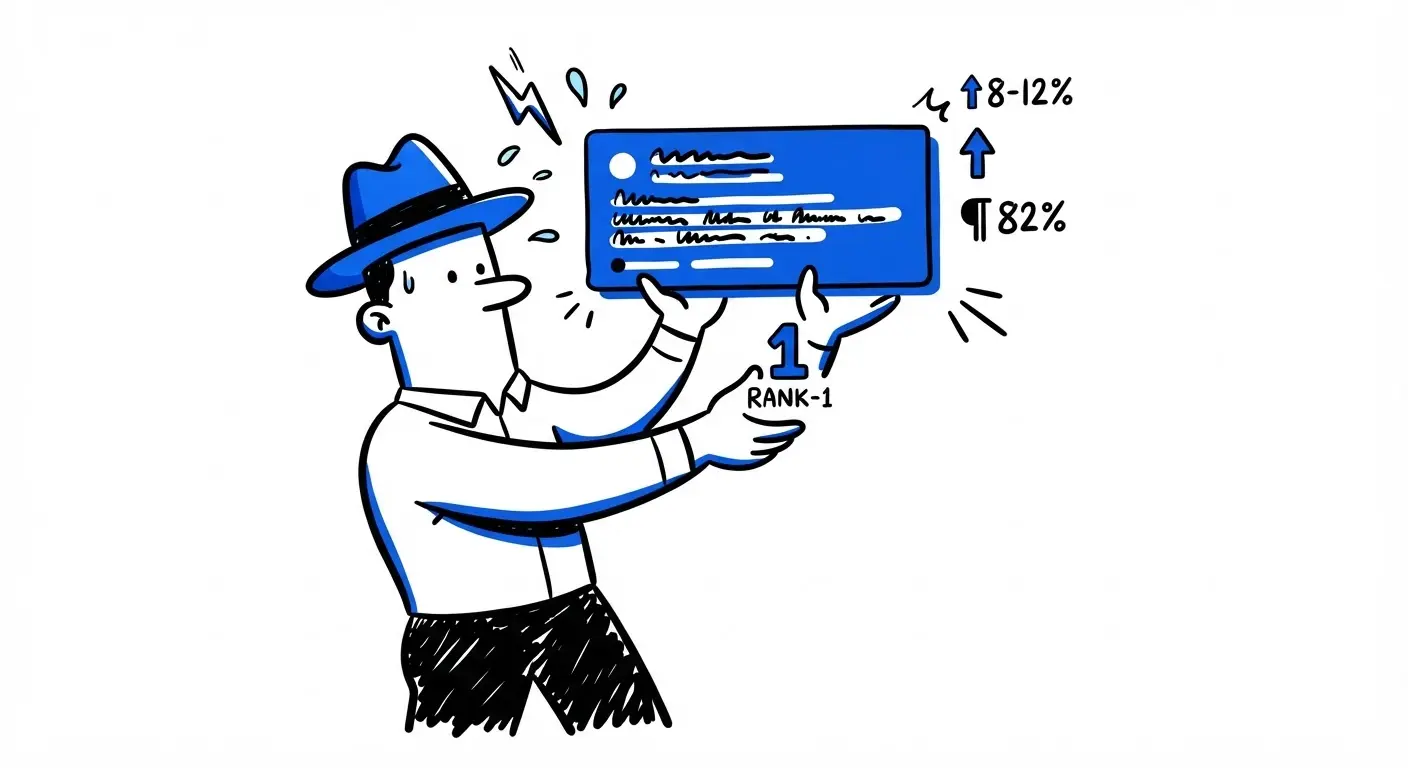
Featured snippets pull 40-60 words from a ranking page and display them above position 1. Per Stackmatix's SERP features strategy analysis, paragraph snippets account for 82% of all featured snippets, list snippets 12%, table snippets 6%.
Snippet selection is algorithmic. Google picks the source based on answer match, content quality, structured data, and historical ranking position. You do not get a snippet by optimizing for it directly. You get a snippet by ranking well and having a clean paragraph answer.
Per the same analysis, snippet position 0 lifts organic CTR for the source page by 8-12% versus the equivalent rank-1 result without a snippet. The lift comes from brand visibility, not from incremental clicks on the source URL.
PAA boxes pull queries sideways
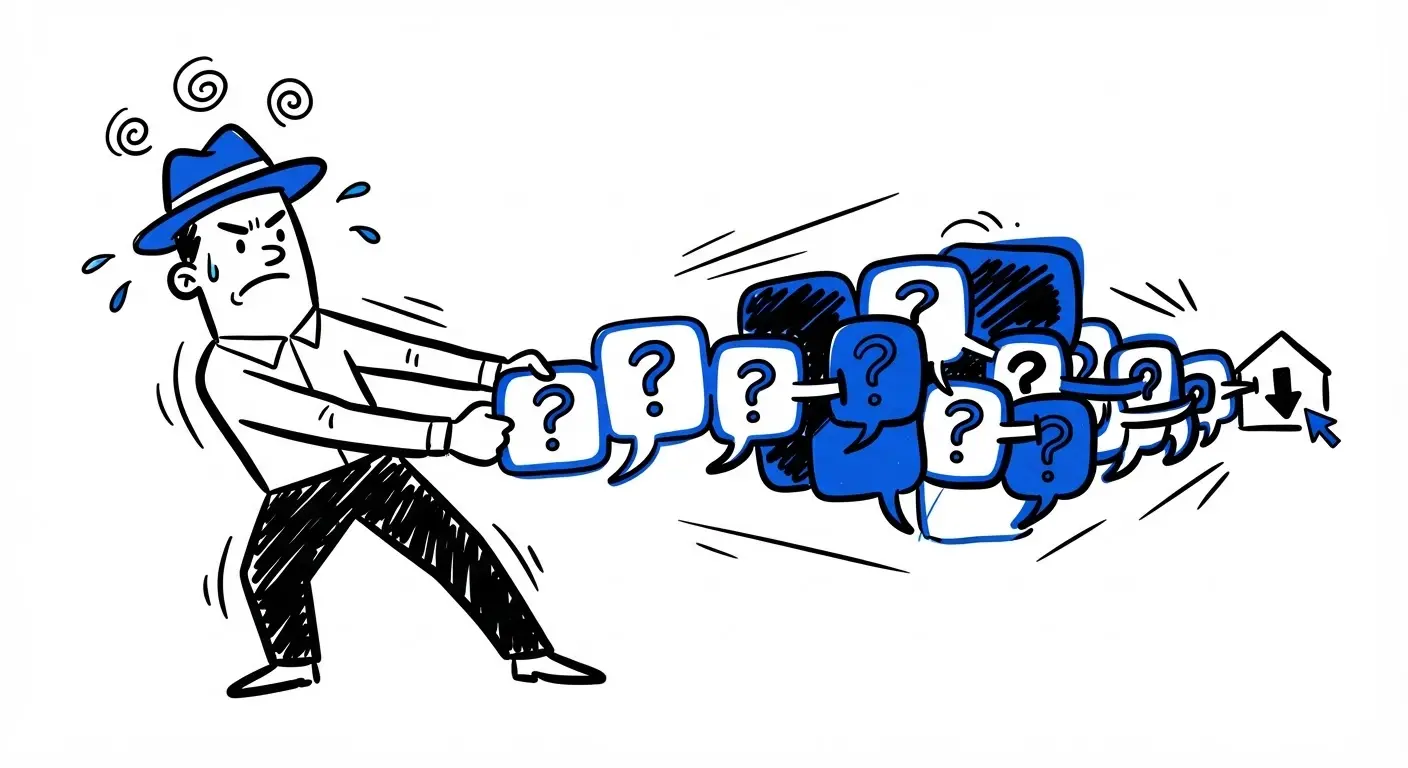
People Also Ask boxes display 4 related questions with one-line answers. The questions are dynamically generated based on query patterns and entity associations. Each PAA click expands a new answer and adds 2-4 new questions to the chain.
The PAA expansion pattern means users can drill into 8-12 related queries without returning to the SERP. The PAA chain keeps users on Google. The destination sites get 35-50% less click share per PAA interaction versus the equivalent non-PAA SERP.
PAA optimization is not direct. You rank for a query, your content matches the question, and Google may pull your answer into the PAA box. Per The Digital Maze's analysis, PAA sources overlap 70-80% with rank-1 organic results. Top ranking is the prerequisite.
Knowledge panels require entity authority
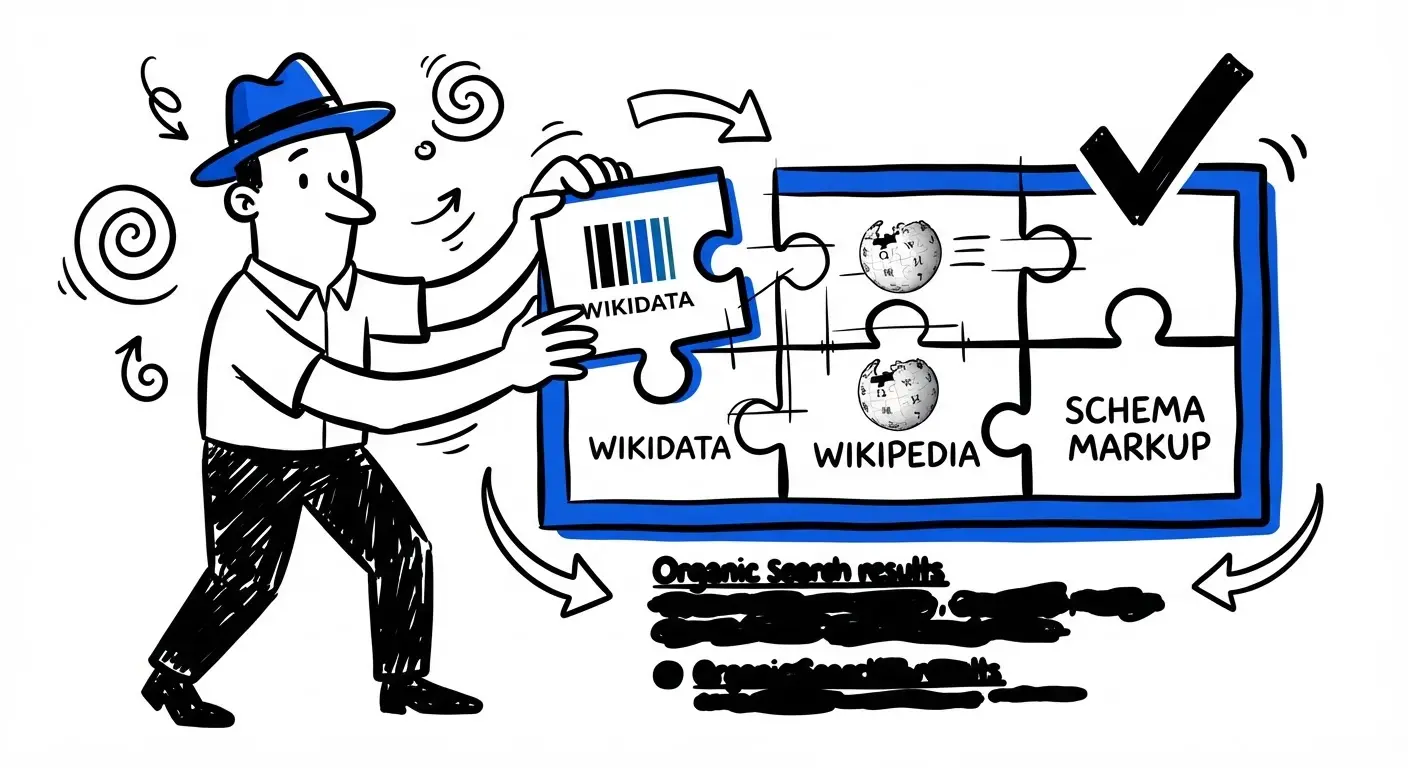
Knowledge panels display structured data about entities: companies, people, places, products. The panel pulls from Google's Knowledge Graph. You cannot directly tune for a knowledge panel. You can supply structured data to the Knowledge Graph via Wikidata, Wikipedia, schema markup, and entity associations across the web.
Per the 2026 SERP feature data, knowledge panels appear on 23% of commercial queries and 41% of branded queries. The panels win the click for entity-specific searches. The organic blue-link results below them see 60-70% less click share when a panel is present.
The optimization path is structural. Establish the entity in authoritative data sources. Build consistent schema markup. Earn citations from other established entities. The panel becomes possible after the entity is recognized as authoritative.
The featured snippet hunt
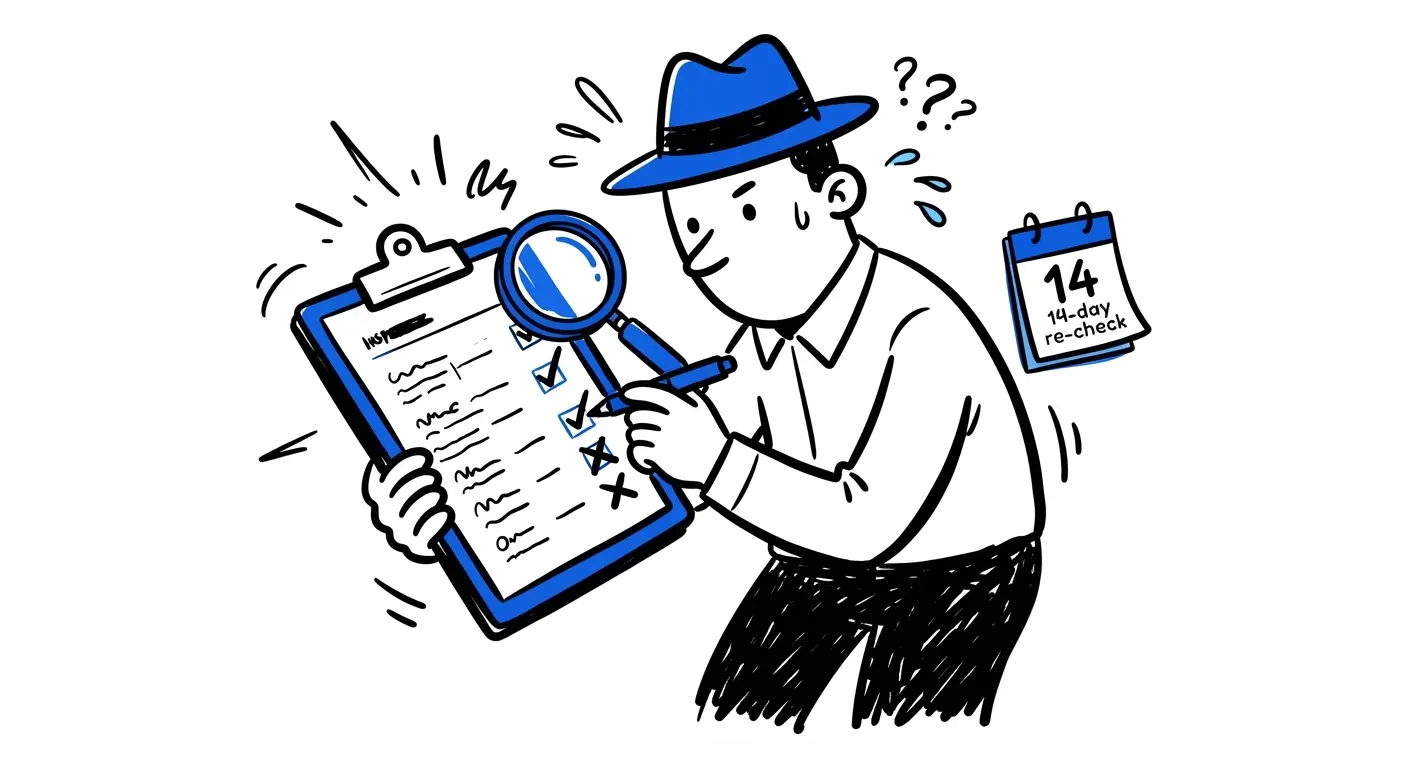
You open a private browser and search your top 20 commercial queries incognito. You record which queries show featured snippets today. You log the source URL for each snippet. You compare to your site's position-1 ranking for the same queries.
You check whether your page has a clean paragraph answer at the top, formatted for snippet extraction. You add explicit question-and-answer pairs in HTML where they are missing. You re-check the snippet pool 14 days later.
Note the gap. This post synthesizes 2025 and 2026 data from four sources: Ahrefs, Stackmatix, The Digital Maze, and Google's structured data documentation. Three non-public SERP feature inclusion algorithm details remain unpublished. Replication required.
Featured snippets are not a goal. They are a side effect of ranking well and answering clearly.
Related Articles
Discover more insights about web development and digital marketing