What the SERP Is and How It Is Structured in 2026
Learn how the modern SERP has evolved into a layered canvas with 37 feature types, how AI Overviews reorganized the layout, and how to audit your visibility across five distinct layers.
Dilshad Akhtar
Last updated: 11 July 2026
5 min read
TL;DRAI summary
- The 2026 SERP contains 37 distinct feature types layered across five vertical layers
- Traditional organic results occupy roughly 20% of SERP elements; AI surfaces take 6%+
- AI Overviews reached 21.1% share of position one in January 2026, up from 6.9% a year prior
- Zero-click searches hit 64.82% of all Google queries in 2026
- Position 1 CTR drops 37.5% on average when an AI Overview appears
- Visibility now means presence across the layered page, not a single rank position
A SERP is the rendered response page Google returns for a query. In 2026 that page contains 37 distinct feature types, not a single ranked list, and traditional organic results occupy roughly 20% of SERP elements while AI surfaces, modules, and controls take the remaining 80%.
What the SERP is in 2026
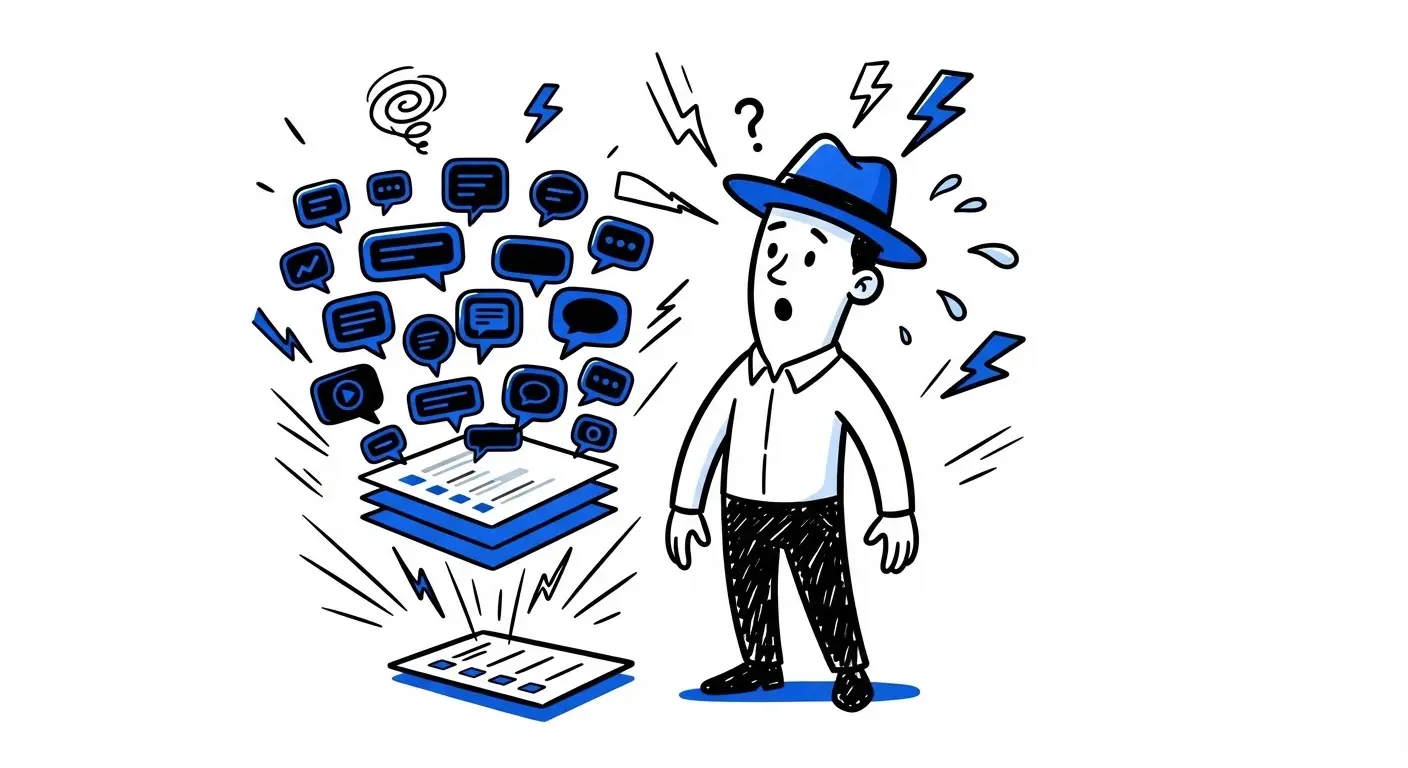
A SERP is the rendered response page Google returns for a query. In 2026 that page contains 37 distinct feature types, not a single ranked list, per GrowByData's June 2026 SERP audit (GrowByData).
The container evolved from a list into a layered canvas. Organic listings, discovery features, commerce modules, local modules, and AI summaries now stack on the same rendered page, per GrowByData's 2026 SERP analysis (GrowByData).
Traditional organic results occupy roughly 20% of SERP elements on a monitored query set, while interface controls, modules, and AI surfaces take the remaining 80% of rendered real estate. Visibility now means presence across the layered page, not a single rank position in a flat list.
The anatomy of a modern SERP
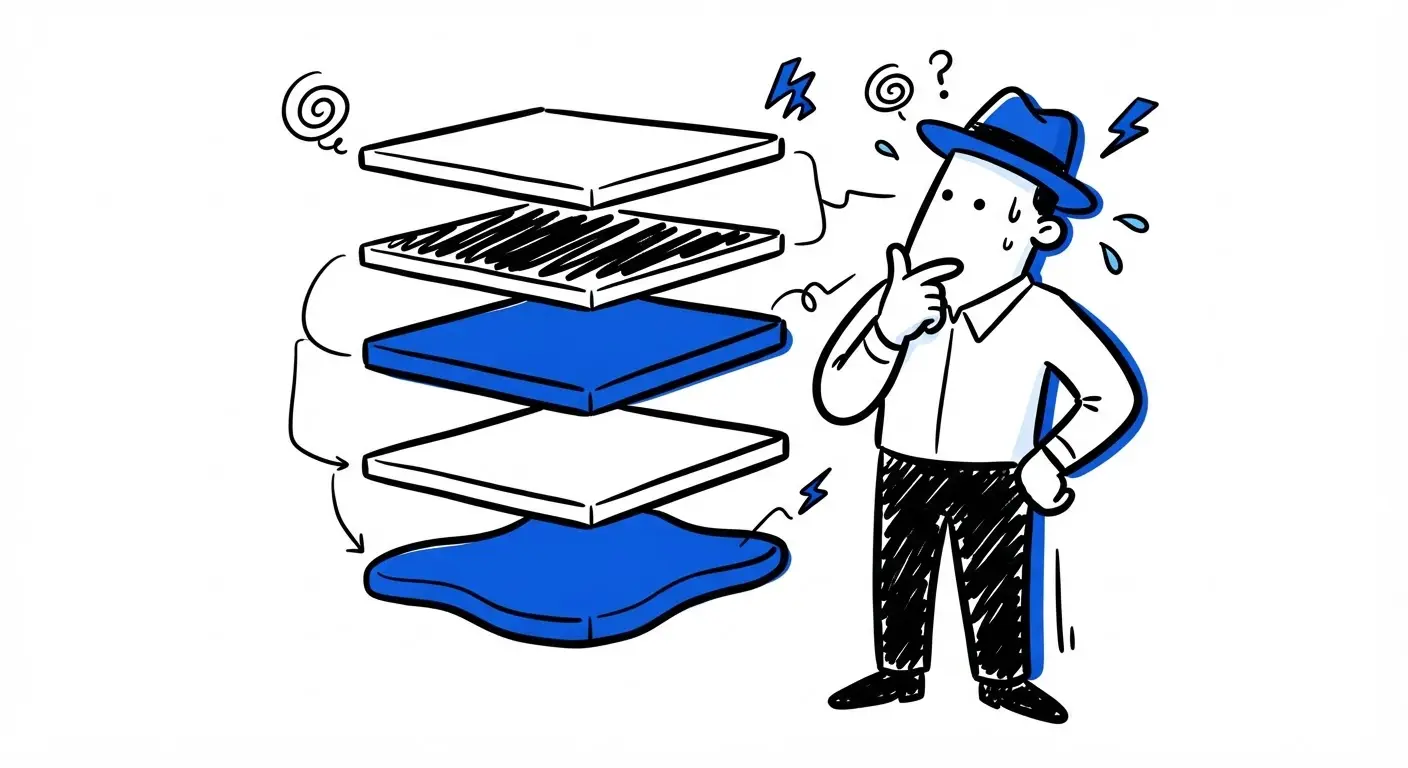
The page resolves into five distinct layers stacked vertically across the viewport. Organic listings anchor the bottom layer near scroll-end. Discovery features sit above them in the middle. Commerce modules, local modules, and AI summaries round out the top of the rendered canvas. Layering varies substantially by query intent.
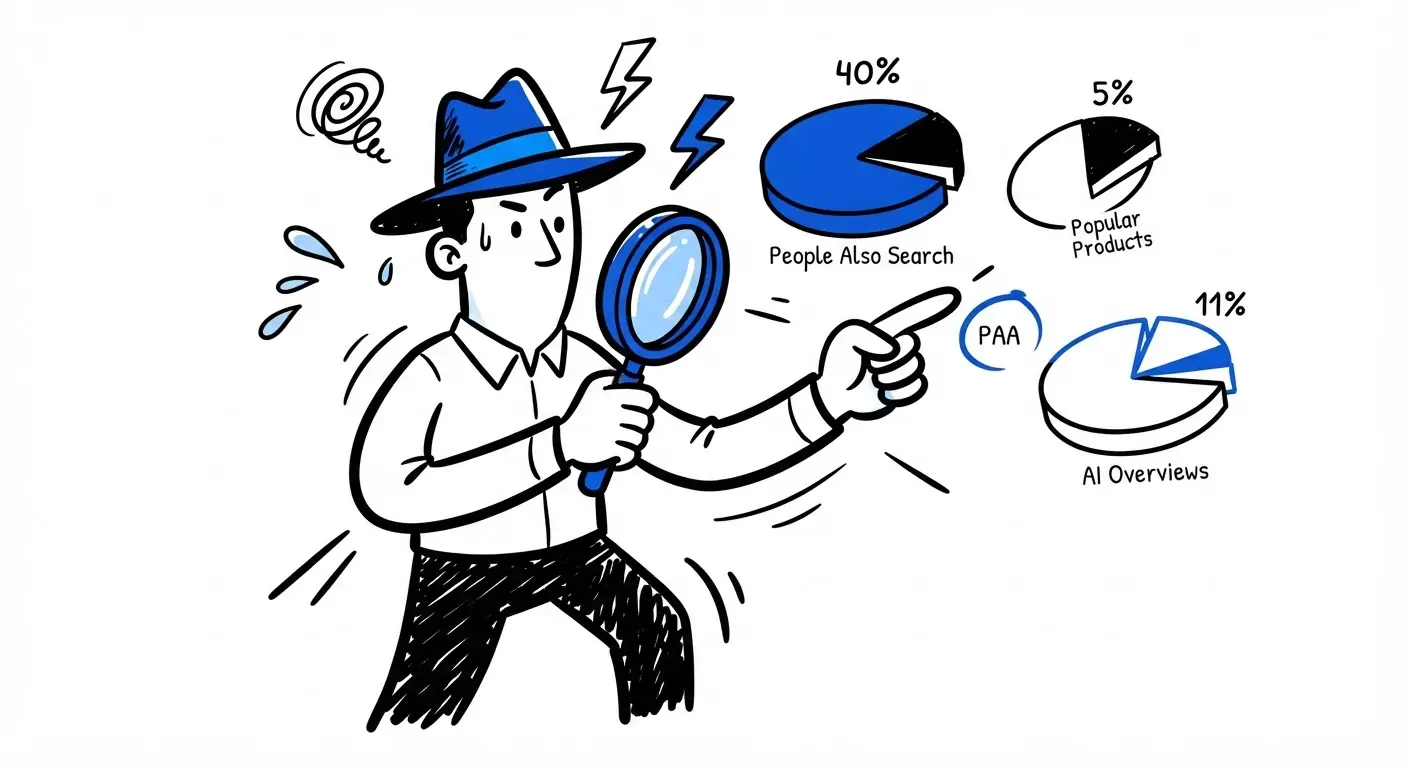
Element distribution skews heavily toward non-organic surfaces across all monitored queries. People Also Search takes 16.9% of rendered elements. Popular Products takes 16%+. People Also Ask takes 6.6%. AI Overviews take 6%+. Images and videos together take 7.2%, per GrowByData's 2026 element-count study (GrowByData).
Featured snippets appear in 12.3% of monitored queries across the dataset. Position 1 CTR on those SERPs is 42.2% when no AI Overview shares the page, dropping to 19.8% when an AIO also fires, per Digital Applied's 2026 zero-click dataset (Digital Applied).
Local packs rose from 4.6% to 5.7% share of position-one results between January 2025 and January 2026. Knowledge graphs peaked at 14% in July 2025, then slipped as AI Overviews absorbed the same intent, per STAT Search Analytics' 200,000-SERP study (STAT Search Analytics).
How AI Overviews reorganized the layout
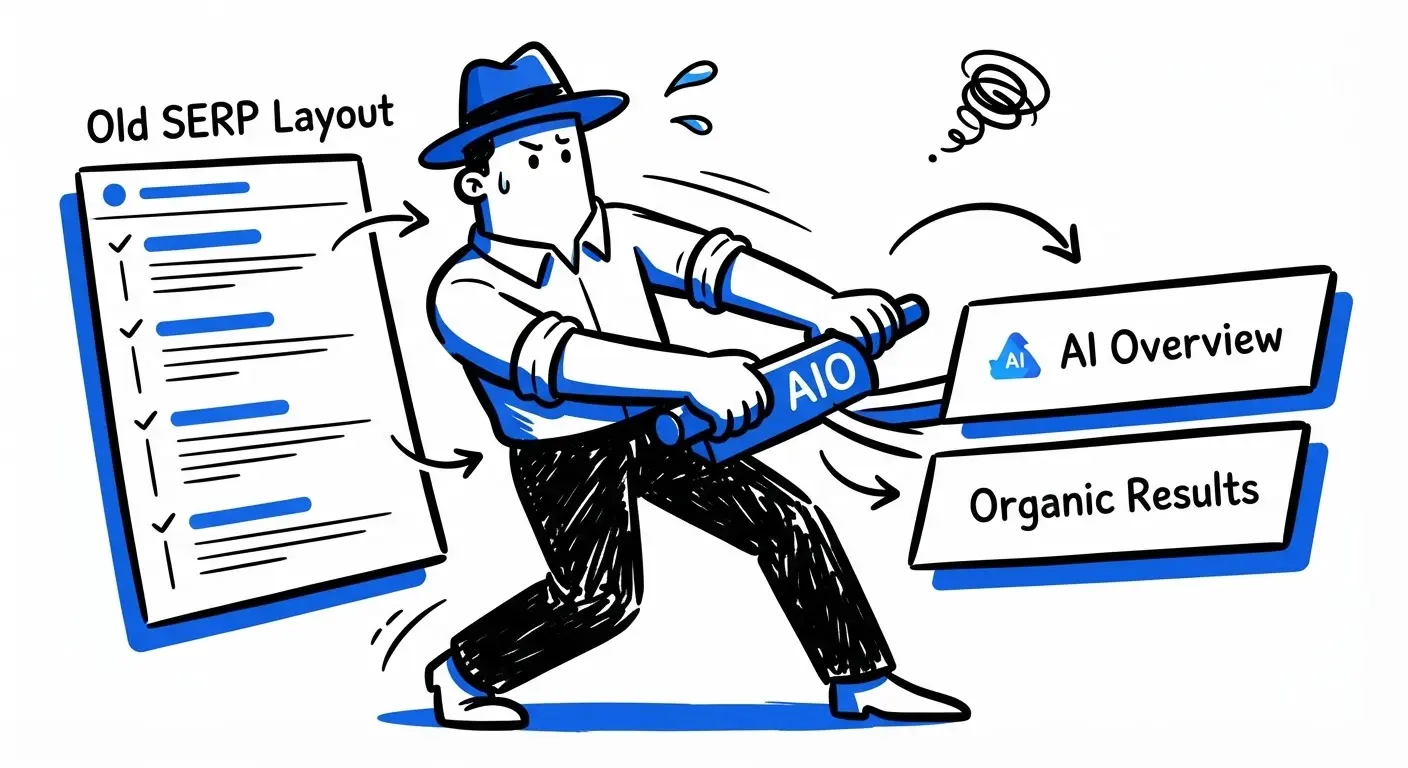
AI Overviews reached 21.1% share of position one in January 2026, up from 6.9% twelve months prior. The single fastest-growing SERP feature in the monitored dataset, per STAT Search Analytics.
AI Overviews trigger in 8% of all Google queries and 35%+ of informational queries globally. They synthesize multiple cited sources into a single block above the traditional ten blue links, per Google Search Central's 2026 AI features documentation.
Zero-click searches hit 64.82% of all Google queries in 2026. Mobile leads at 77.2% zero-click share. Desktop lags at 50.6%. The container absorbs the answer, the user leaves without clicking, per Digital Applied's January 2026 measurement.
AIO presence splits the SERP vertically into two measurable layers. Queries with AIOs see position 1 CTR drop 37.5% on average. Queries without AIOs hold CTR near 31.7%. The same query can deliver two different traffic numbers depending on Google's intent classification that day, per the same Digital Applied dataset.
The search results page audit
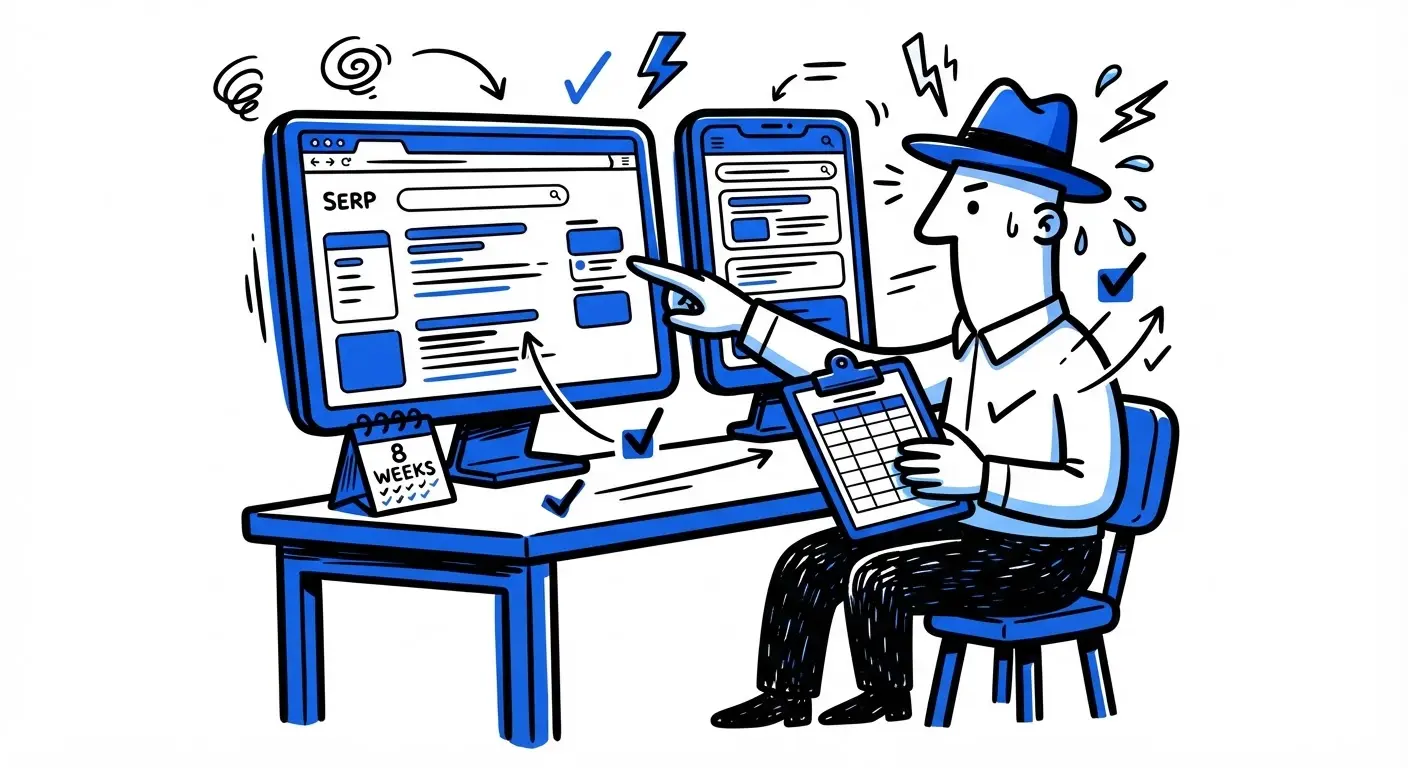
On Friday afternoon, you open a 20-keyword sample of your top commercial queries in an incognito window. You screenshot the desktop SERP and the mobile SERP side by side at the same scroll depth. You log which features fire and which your domain appears in across both viewports.
You record four numbers per query in a structured spreadsheet. AIO present, yes or no. Featured snippet owner, with the source URL if present. Local pack inclusion, with your position if included. Your citation rank inside the AIO if present.
The numbers go into a spreadsheet tagged by month. Trends appear after eight weeks of data accumulation.
You cross-check GSC's position data against the audit spreadsheet. Position 4 with no AIO is now worth more traffic than position 1 with one. The accounting inverted across 2025. Your traffic forecast model needs the recalibration against the new layered reality.
Note the gap. This post cites four sources: GrowByData, STAT Search Analytics, Digital Applied, Google Search Central. GrowByData's element distribution is a single-day sample. STAT's 21.1% is US/UK only. Replication elsewhere required. Audit the SERP like infrastructure.
Related Articles
Discover more insights about web development and digital marketing