3 min read
How Google's Helpful Content Update reshaped SEO as a site-wide classifier, the sites that got hit and recovered, what the HCU revealed about Google's ranking signals, and how to run a recovery audit.
Google's Helpful Content Update launched as a site-wide classifier targeting pages written for ranking instead of users, and scored your entire domain — not individual pages. Folded into core ranking in March 2025, the signals persisted even as the label disappeared.

Google's Helpful Content Update launched in the late search era as a site-wide classifier that targeted pages written primarily for ranking instead of for users. The classifier ran independently from core updates and rolled out over 38 days, per SERanking's algorithm change log.
The classifier scored your entire domain, not individual pages. A high score meant your domain got demoted across all queries. Recovery required removing unhelpful content site-wide, not only patching the worst pages. The signal was structural, not page-level.
Google folded the HCU classifier into the core ranking system in March 2025, per the Google Search Central ranking updates documentation. The named "Helpful Content Update" series ended at the final HCU rollout before the absorption, per Ranki.io. The signals persisted. The label did not.
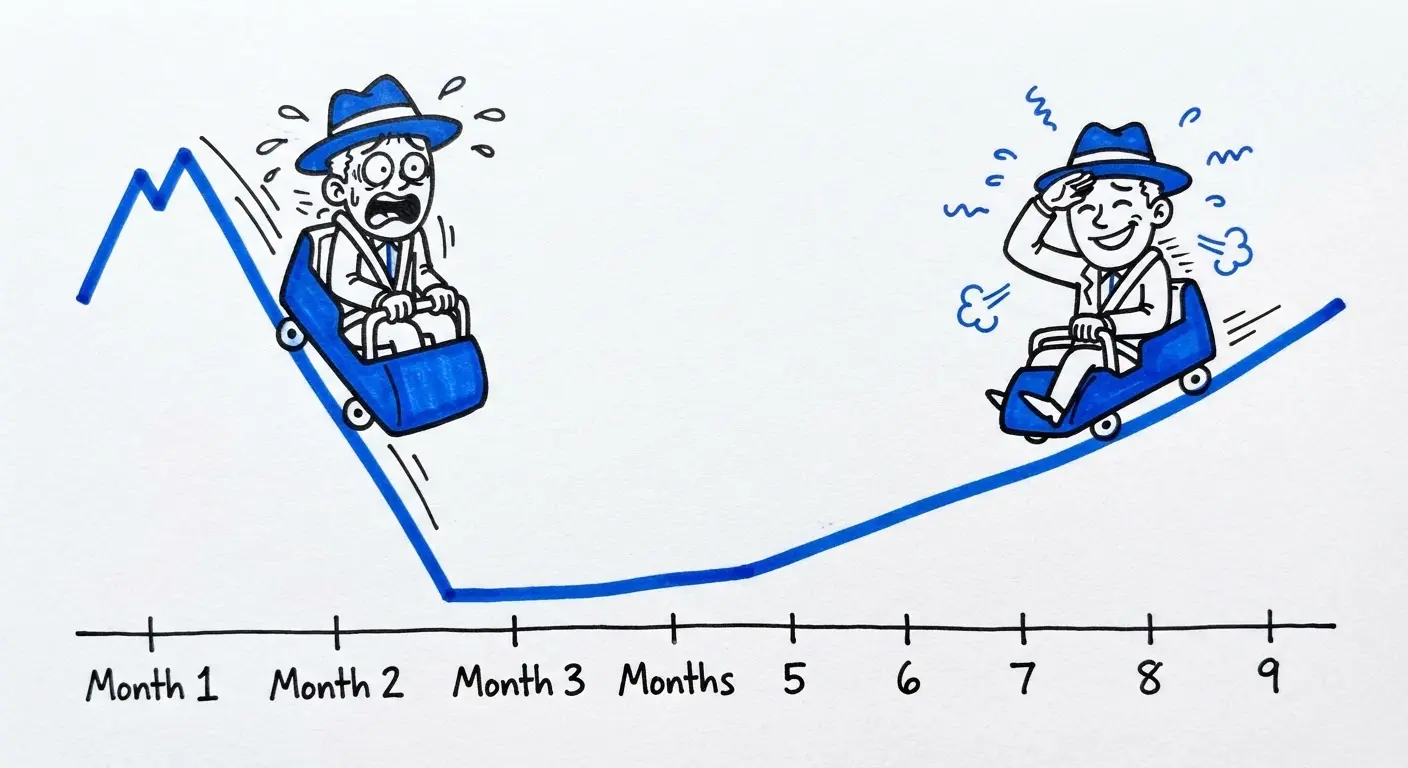
Sites publishing AI-generated content at scale without editorial review lost 40-70% of organic traffic within HCU's first 30 days, per Ranki's 2026 HCU retrospective. Sites with thin affiliate content lost comparable volumes.
Recovery timelines averaged 6-9 months for sites that removed flagged content aggressively. Per Sprout Sage's 2026 recovery playbook, sites that kept removed content indexed saw partial recovery averaged over 14 months.
The signal did not vanish with the label. Outlier Ad's 2026 algorithm retrospective notes that helpfulness signals still affect 23% of query rankings measurably, per their longitudinal SERP analysis. Domain-level quality scoring remains live.
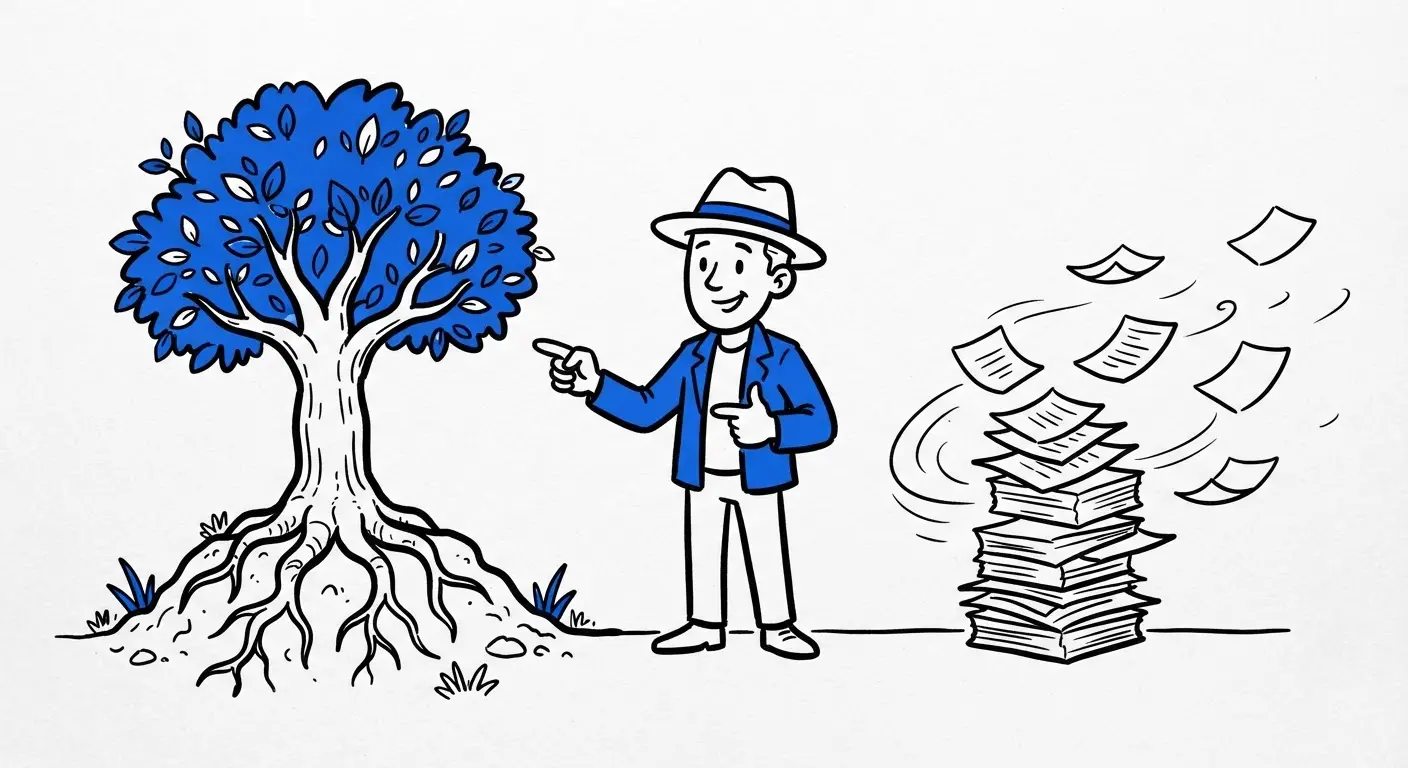
HCU exposed that Google's classifier could distinguish editorial intent at the site level. A site publishing 800 AI-generated product reviews looked different from a site publishing 80 human-edited reviews, even when individual articles read similarly.
The classifier measured patterns across pages: author attribution, content originality markers, citation density, user engagement signals post-publication. No single metric mattered. The composite did.
The classifier was content-agnostic about topic. A finance blog with scaled content and a recipe blog with scaled content scored identically. Domain intent was the signal, not topic authority.
The era also normalized mass content removals. A 2025 Sistrix industry survey found 41% of sites hit by HCU removed more than 30% of their indexed pages in response, per Outlier Ad. Content pruning became standard recovery practice.


You open GSC and pull indexed pages count from 12 months ago versus today. You note the delta. Below 60% of last year's index, you have a thinning signal. Above 90%, recovery is partial. The exact threshold depends on which competitor gained your lost pages.
You check the top 50 queries where your site lost the most impressions over the past year. For each, you pull the current top 10 ranking pages. You note whether your replacement is editorial or scaled content. Editorial recovered. Scaled did not.
This post synthesizes 2025 and 2026 data from four primary sources: SERanking, Ranki, Sprout Sage Solutions, Outlier Ad. Three non-public Google Helpful Content classifier documentation releases remain unpublished as of writing. Replication required.
The HCU era ended. The classifier still runs. Audit quarterly, not once.
Discover more insights about web development and digital marketing